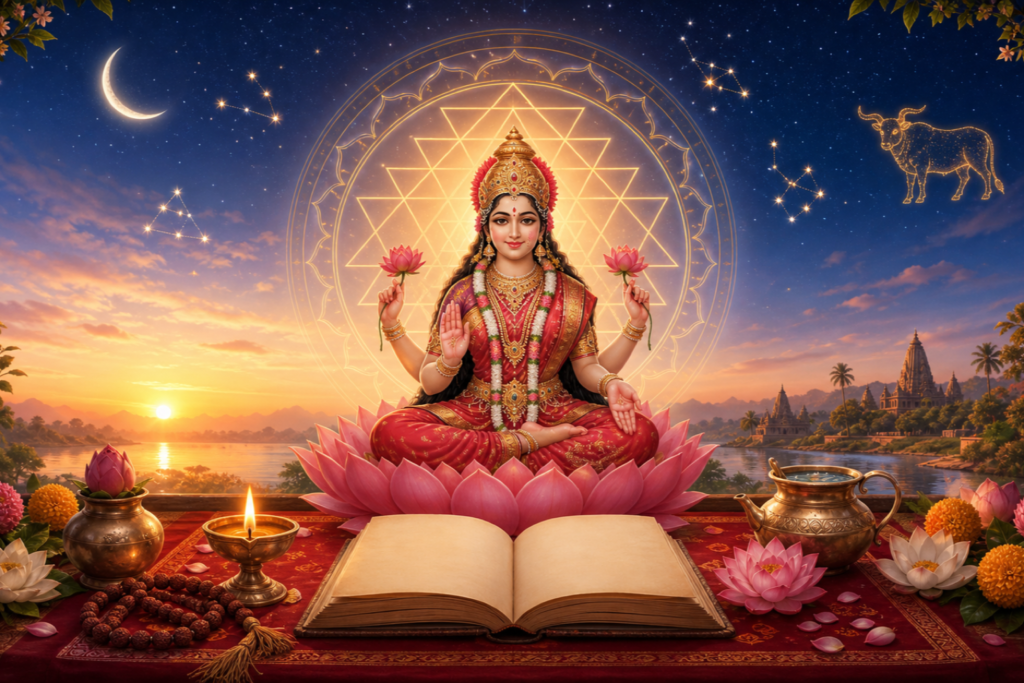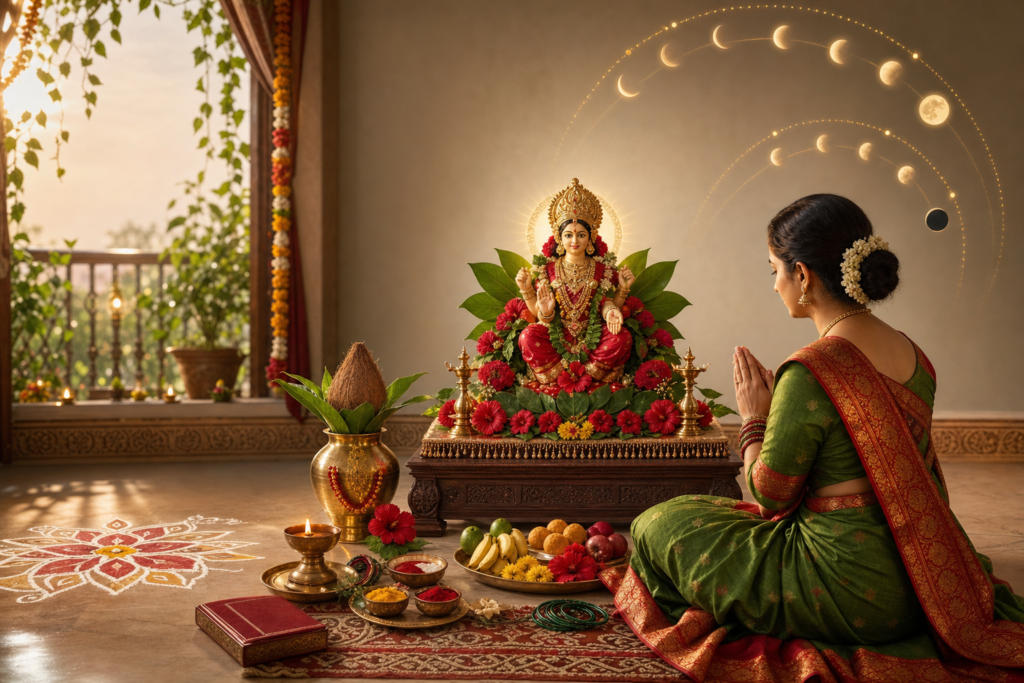
On Sunday, December 28, 2025, the Panchang notes a transition from Shukla Paksha Ashtami to Shukla Paksha Navami in the Hindu calendar for most regions. The day begins with Shukla Paksha Ashtami, the eighth lunar day in the waxing phase, and shifts to Shukla Paksha Navami, the ninth lunar day, later in the morning.
Specifically, Shukla Paksha Ashtami prevails until 7:23 AM on December 28 (as per most regional Panchang computations). From 7:23 AM onward, Shukla Paksha Navami is in effect for the remainder of the day. As with all tithi calculations, slight variations may occur by location and local sunrise/sunset; consulting a region-specific Panchang is recommended for ritual timing.
Within traditional observance, Ashtami in the bright fortnight is associated with disciplined devotion and steady progress in sadhana, while Navami is often viewed as a phase that supports resolve, charity, and continued study of sacred texts. Many households find this shift during the waxing moon to be a natural moment to realign daily practicesearly morning recitations during Ashtami, followed by acts of service and learning as Navami unfolds.
Those seeking “good time” windows (Shubh Muhurat) on this date commonly refer to standard daily anchors such as the mid-day Abhijit Muhurat and avoid periods like Rahu Kaal and Gulika Kaal. Because these intervals depend on the local sunrise and day length, accurate results are best obtained from a local Panchang or trusted app. This approach helps align personal or family ritualswhether for puja, study, or community servicewith auspicious cycles.
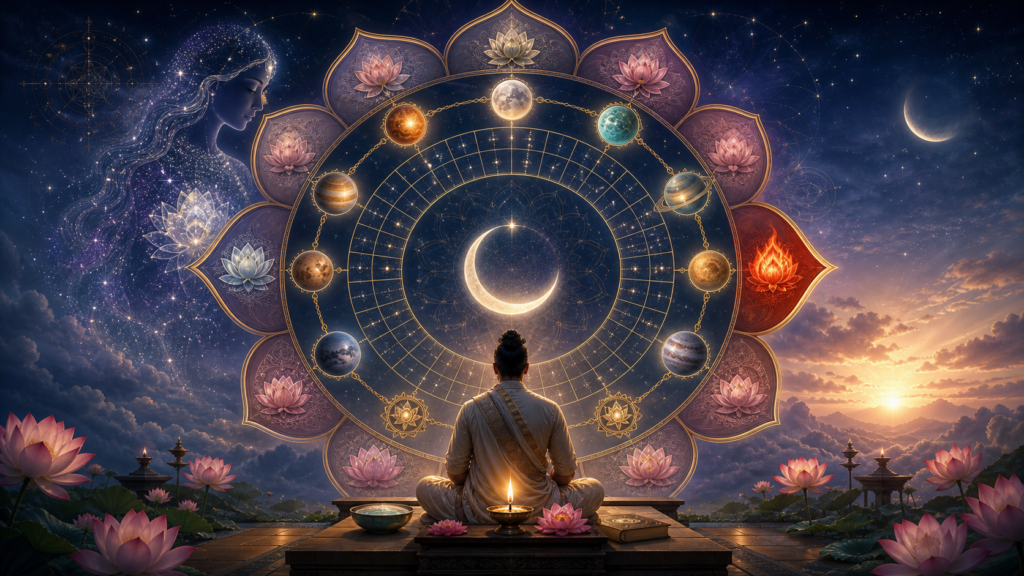
Nakshatra and the Moon’s Rashi for the day further refine observance. Practitioners often verify the day’s Nakshatra and lunar Rashi in a regional Panchang to select mantras, plan vrata, or time offerings. While the exact star and sign can vary by locale and timing, the interpretive value remains consistent: Nakshatra guides the qualitative “mood” of the day, and the Moon’s Rashi indicates the emotional and devotional tenor.
Across dharmic traditionsHinduism, Buddhism, Jainism, and Sikhismlunar observances foster reflection, ethical living, and community wellbeing in their own distinct ways. Families and communities often share the spirit of seva, mindfulness, and gratitude on such days, even when liturgical details differ. This shared orientation to the lunar cycle underscores a unifying ethos: honoring time as sacred and cultivating harmony through compassionate action.
Practical guidance for the day includes noting local sunrise to compute daily segments, confirming tithi turnover times, and aligning personal commitments with supportive intervals. Many find that even modest observancesquiet recitation, mindful study, or simple acts of kindnessgain depth when synchronized with the Panchang’s rhythms. In this way, December 28, 2025 offers a balanced progression from Ashtami to Navami that supports steady inner work and outwardly focused goodwill.
Inspired by this post on Hindu Blog.