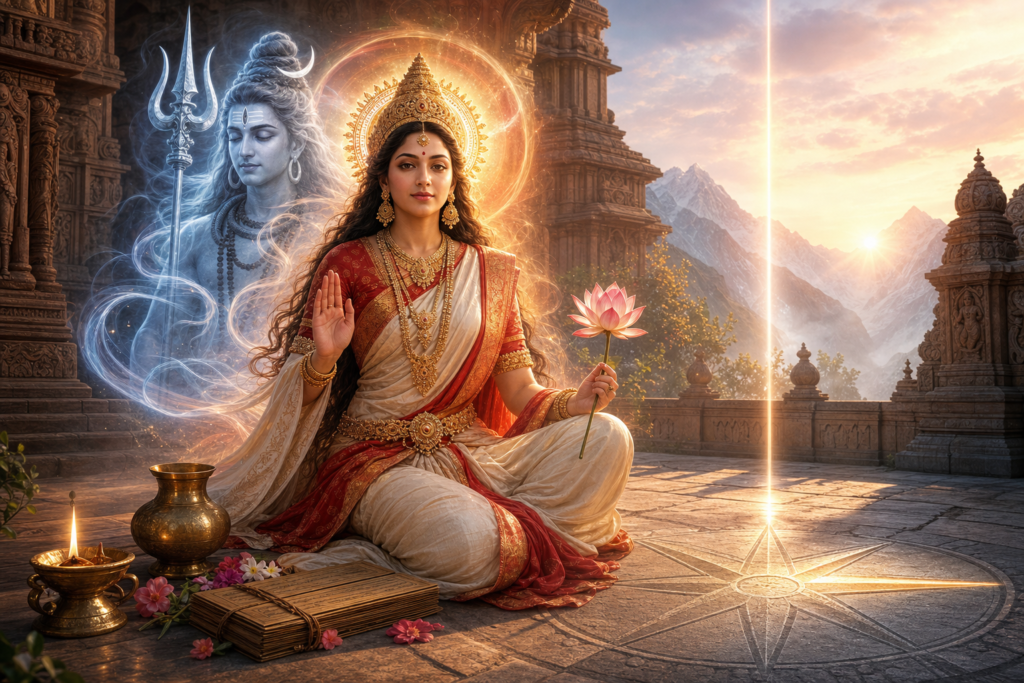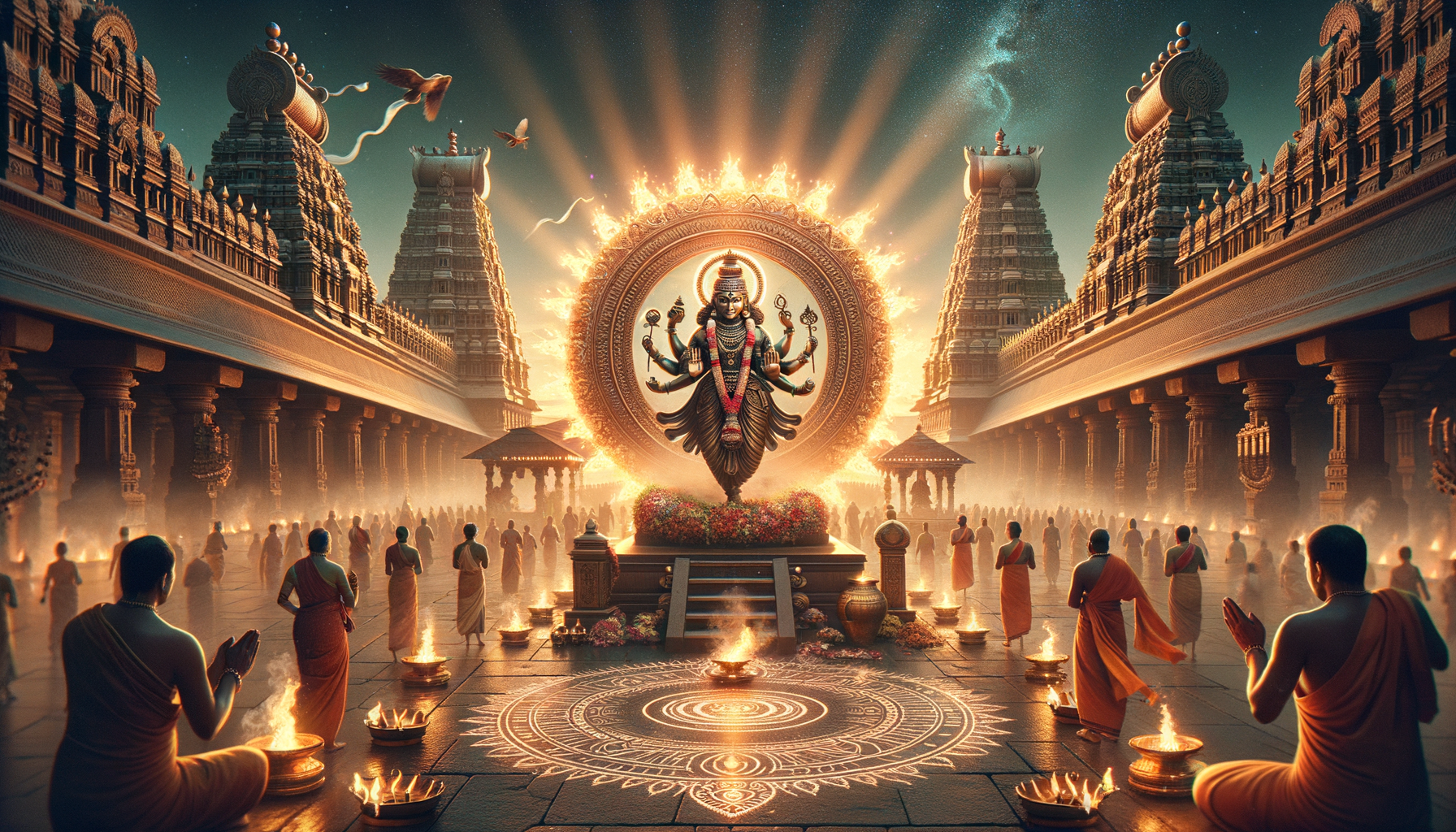
Anticipation gathers across Tamil Nadu as devotees look toward Arudra Darisanam 2026 at the Chidambaram Natarajar Temple. Revered for its portrayal of Shiva’s Ananda Tandava, this festival in the sacred Margazhi season draws thousands seeking a meaningful darshan and a glimpse into the temple’s time-honored ritual sequence. While the official timetable is released by the temple administration closer to the date, a clear understanding of the festival’s significance and customary order helps visitors plan with reverence and confidence.
Chidambaram stands among the Pancha Bhoota Stalas, representing Akasha (aether). In this sacred geography, the other four elemental temples are Thiruvanaikaval Jambukeswara, Trichy (water), Kanchi Ekambareswara (earth), Thiruvannamalai Annamalaiyar (fire), and Sri Kalahasti (air). This framework situates Arudra Darisanam within a profound Indic understanding of the cosmos, where worship, art, and metaphysics converge in ritual practice.
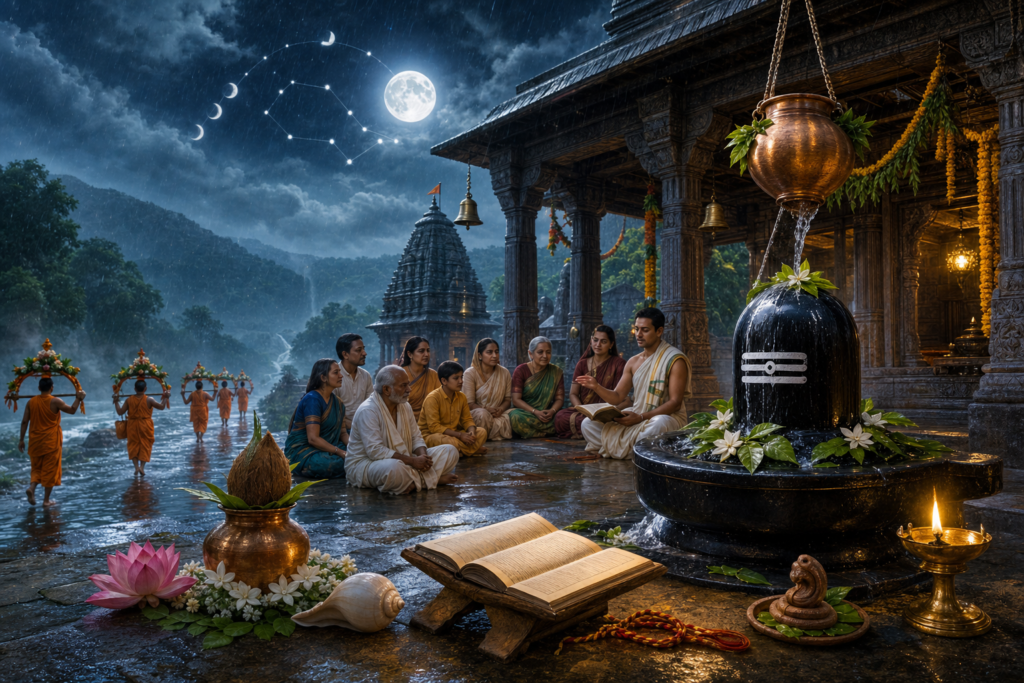
Arudra Darisanam coincides with the Thiruvathirai (Arudra) nakshatra in Margazhi (mid-December to mid-January). For 2026, the observance at Chidambaram Natarajaswamy Temple will align with the Arudra star during this window; the precise schedule and darshan timings are announced officially in the days leading up to the festival. Devotees commonly monitor the temple’s public notices to confirm puja windows, procession routes, and crowd arrangements.
Although exact timings vary year to year, the customary sequence offers a reliable guide. The day typically includes pre-dawn abhishekam to Nataraja and Sivakamasundari, elaborate alankaram, special archana, and Maha Deeparadhana, followed by processions within the temple’s prakaras. Many also witness the ratha utsavam and participate in chanting and contemplative observances associated with Margazhi Thiruvathirai. All timings remain subject to the temple’s official timetable and may be adjusted for crowd safety and ritual requirements.
Effective planning enhances the pilgrimage experience. Visitors commonly arrive the previous evening to orient themselves, identify queues, and note signage for special darshan lines. Carrying only essentials, maintaining silence within sanctums, and following volunteer directions ensures a serene and safe experience for all. Traditional attire that covers shoulders and knees is generally expected, reflecting the sanctity of the space.
Chidambaram is well-connected by rail and road, with frequent services from major cities in Tamil Nadu. Given the festival’s popularity, accommodation often fills quickly, so early reservations are advisable. Those with elderly family members or children benefit from arriving during off-peak hours as indicated by temple advisories once the schedule is announced.
For many, Arudra Darisanam functions as both a cultural celebration and an inward journey. The experience resonates with shared dharmic valuesdiscipline, devotion, and inner stillnessembraced within Hinduism, and appreciated across the broader tapestry of Indic traditions such as Buddhism, Jainism, and Sikhism. The rhythmic grammar of dance, the contemplative ethos of Margazhi, and the reverence for sacred space invite a unity of purpose: cultivating harmony within and among communities.
Visitors often describe an atmosphere of quiet uplift, shaped by temple music, Vedic chanting, and the visual symbolism of Nataraja’s cosmic dance. The Chidambaram traditionintegrating ritual precision and aesthetic depthencourages mindfulness: to walk slowly, to listen carefully, and to honor darshan as a shared sacred opportunity rather than an individual goal.
For search and planning purposes, devotees may refer to “Arudra Darisanam 2026 schedule,” “Chidambaram Natarajar Temple timetable,” “Chidambaram Natarajaswamy Temple Margazhi Thiruvathirai,” and “Tamil Nadu temple festival updates.” These queries typically surface the latest public notices, including any changes in procession paths, security checks, and special darshan categories, which are determined by the temple administration.
Respect for heritage safeguards the sanctity of the festival. Avoiding flash photography in restricted zones, preserving queue discipline, and supporting local artisans with mindful purchases all contribute to a more meaningful collective experience. In the spirit of Margazhi, Arudra Darisanam becomes not only an auspicious date on the calendar but also a living dialogue between devotion, culture, and community well-being.
As the temple announces the official timetable, devotees can align travel plans with the confirmed sequence of abhishekam, alankaram, deeparadhana, and processions. With thoughtful preparation and a contemplative mindset, the 2026 Arudra Darisanam at Chidambaram offers a rare chance to witness the Akasha of the Pancha Bhoota Stala tradition and to experience Nataraja’s dance as an invitation to inner harmony.
Inspired by this post on Hindu Pad.