Learning to teach what was once lovingly received can feel unexpected. Initial reluctance often transforms into deep gratitude for those who transmitted practices and knowledge with care. This experience reflects a classic movement in Hindu spirituality: the shift from shishya to teacher as an act of seva. It demonstrates how the Guru–Shishya Tradition sustains living knowledge within the Bhakti Tradition and strengthens community bonds through humility and service.
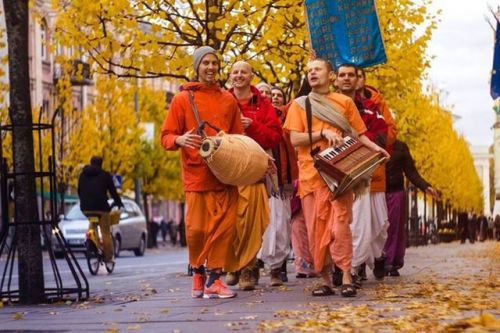
Srila Prabhupada’s example clarifies this ethic with striking clarity. He crossed continents to share love of God through Krishna-bhakti and consistently explained that he was simply repeating what Krishna, his spiritual master, and previous acharyas had taught. Refusing personal credit and modeling humility, he showed how teaching can be transparent transmission rather than self-assertion. Through ISKCON’s global outreach, this principle kept Vedic tradition vibrant, accessible, and centered on devotion rather than ego.
The passing down of knowledge is central to a spiritual practitioner’s reality. As Srila Bhaktivinod Thakur clearly warned, “If we ourselves do not pass on or share this knowledge it will end and die with us.” That insight applies across Dharmic traditions—Hinduism, Buddhism, Jainism, and Sikhism—where lineage, community discipline, and compassionate instruction preserve wisdom while fostering unity in spiritual diversity. Shared transmission practices cultivate mutual respect and deepen the ethical commitment to serve.
In practice, teaching devotional disciplines—whether kirtan, sadhana, or scriptural study—becomes an offering rather than a performance. Gratitude opens the heart, humility deepens devotion, and service strengthens community cohesion. One discovers that giving knowledge away refines understanding and anchors personal growth in responsibility. In this way, transmitting Krishna-bhakti aligns with a broader Dharmic ethos of learning as service and knowledge as a collective trust.
For contemporary seekers, the implications are clear: cherish teachers, honor traditions, and transmit insights with fidelity and compassion. Let instruction be grounded in scripture, informed by lived practice, and open to diverse paths within the Dharmic family. By keeping the circle of learning unbroken, spiritual heritage endures, personal transformation accelerates, and the heart is quietly filled by the joy of service.
Inspired by this post on Dandavats.