Devotional yoga offers a clear and approachable pathway to understand the self, the world, and the Divine. Within the stream of Krsna consciousness, these practices unfold through systematic, time-tested disciplines that cultivate insight, meaning, and stability in daily life. Rooted in the broader dharmic heritage, this approach harmonizes reverence, study, and mindful action to support inner peace and sustainable well-being.
These disciplines are natural, cost-free to learn, and can be practiced at home. Core methods include mantra meditation (japa), congregational chanting (kirtan), reflective study (svadhyaya) of texts such as the Bhagavad-Gita, contemplative silence, and ethical living. Guided by the wisdom of respected acaryas and sages, such practices steadily refine attention, compassion, and clarity, producing tangible progress in spiritual life.
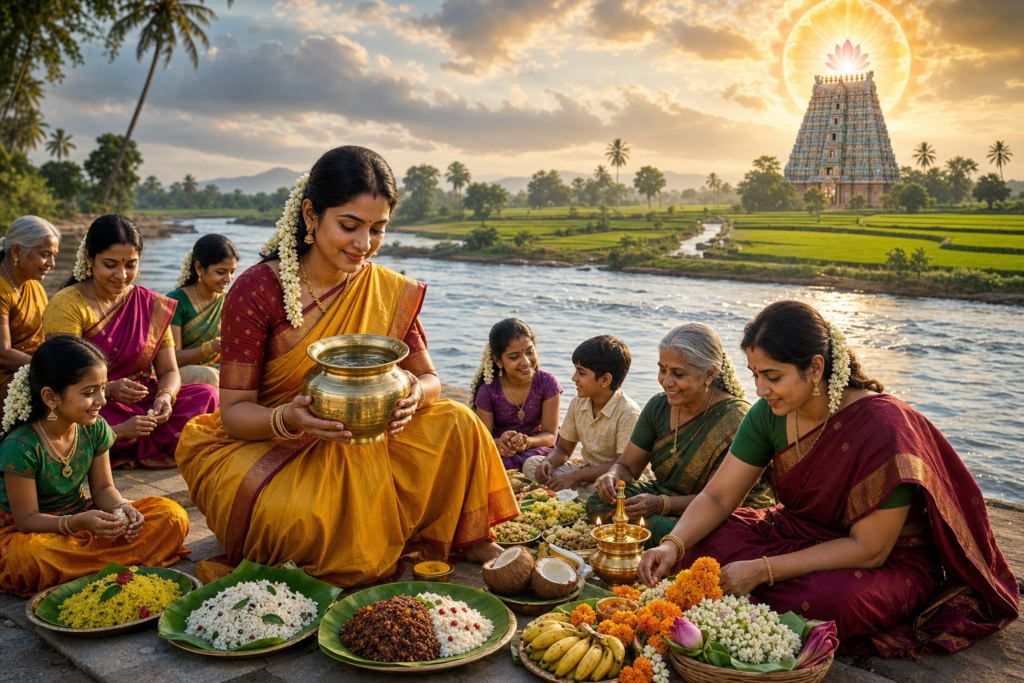
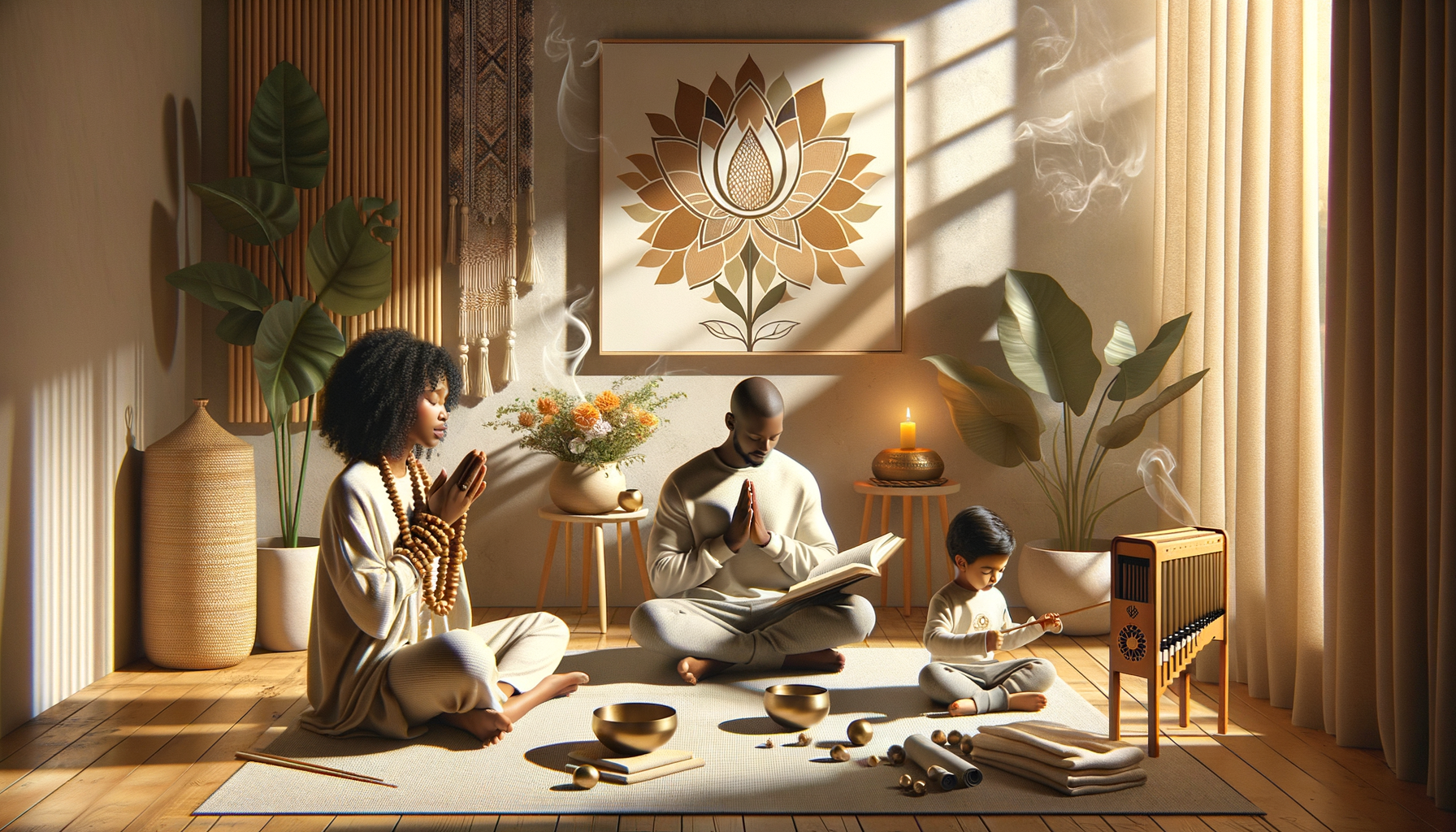
A common misconception is that progress requires abrupt renunciation or becoming a brahmacari monk. In fact, devotional yoga is fully compatible with household life. Practiced within the home and, where possible, alongside family members, it integrates naturally with daily routines. This shared rhythm fosters mutual encouragement, transmits values across generations, and transforms the home into a supportive space for spiritual growth.
A simple, evidence-informed way to begin includes: (1) Morning centering5–15 minutes of calm breathing followed by gentle japa; (2) Daily readingone accessible passage from the Bhagavad-Gita or other dharmic texts, followed by brief reflection; (3) Evening practiceshort kirtan or quiet gratitude contemplation; (4) Weekly sevaan act of service, however small, that expresses compassion in action. Consistency, even in modest doses, is more impactful than intensity without regularity.
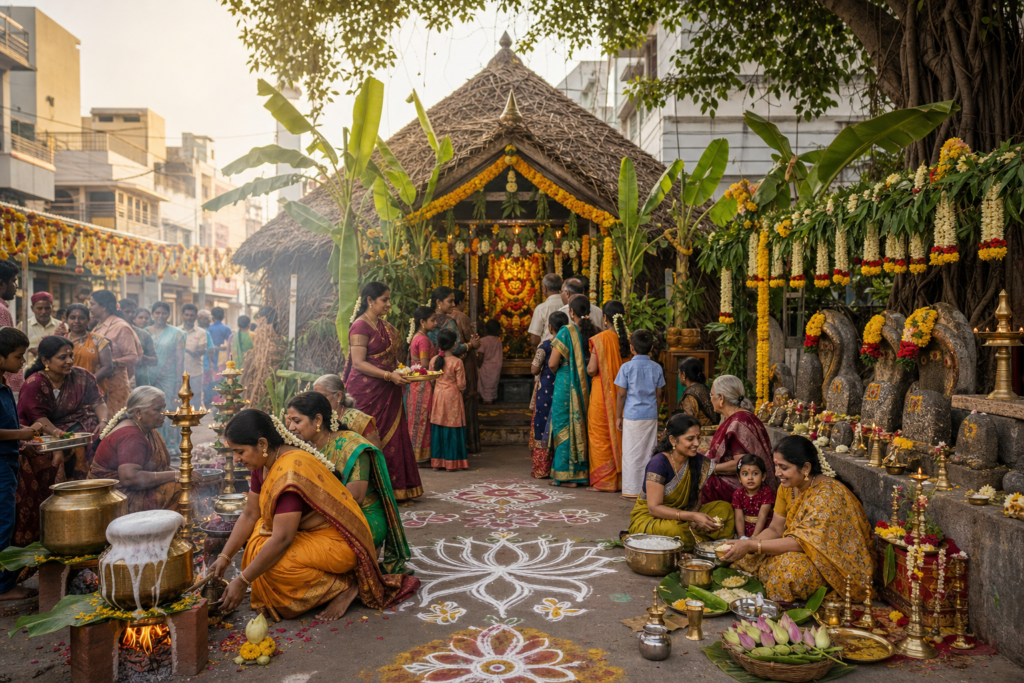
These practices resonate across dharmic traditions: in Hindu bhakti as love and remembrance of the Divine, in Sikh Naam Simran and kirtan as remembrance through sacred sound, in Buddhist mettā and chanting as cultivation of boundless goodwill, and in Jain practice through the Navkar mantra and anuvratas that deepen restraint and reverence. This shared ethos of devotion, mindfulness, and ethical refinement underscores unity in spiritual diversity while honoring each tradition’s integrity.
Practitioners consistently report gains in emotional balance, attentional steadiness, and relational harmony, alongside a widening sense of purpose. Traditional sources describe these outcomes as well-being in this life and enduring spiritual benefit. Over time, devotional yoga refines one’s orientation toward truth, responsibility, and compassionate action, making ordinary routines a locus of steady inner transformation.
Beginning requires no special equipment, fees, or dramatic life changes. Start where you are, invite family participation when appropriate, and build a sustainable, home-based rhythm. With patient, day-by-day practice, one advances quickly and naturally in Krsna consciousness while strengthening the bonds of family and affirming unity across the dharmic traditions.
Inspired by this post on Dandavats.