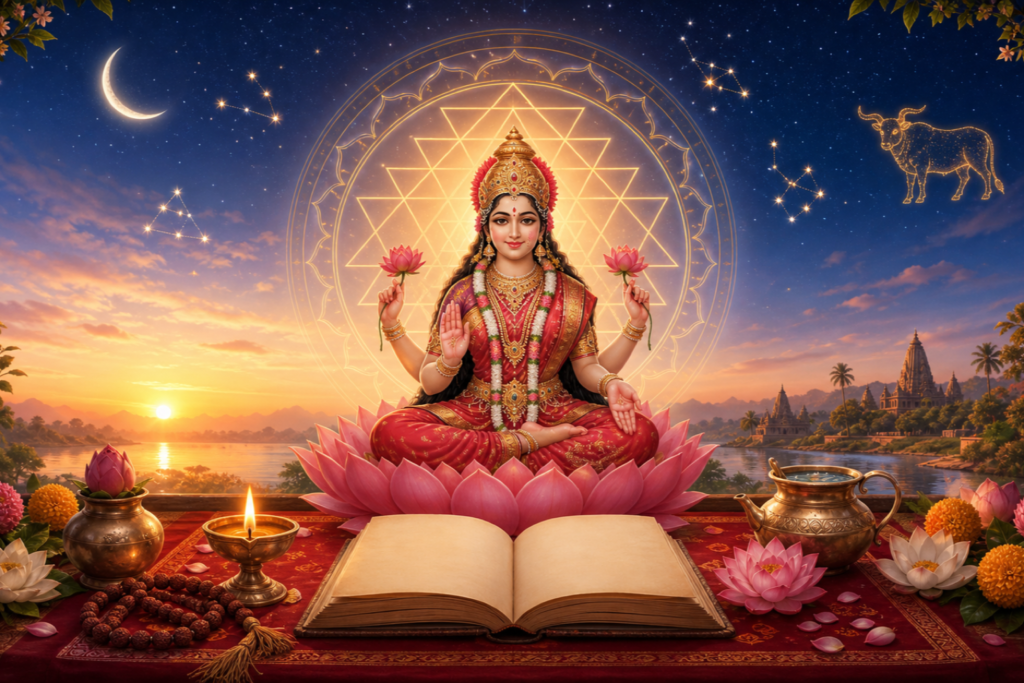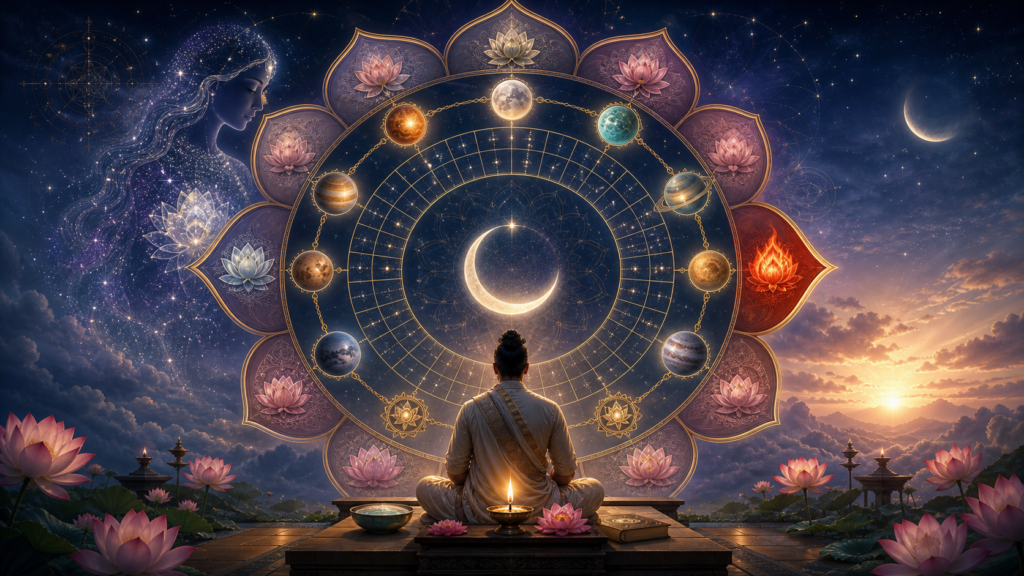
Dhanu Sankranti (also called Dhanu Sankraman or Dhanur Sankramana) marks the moment when Surya (the Sun) transits from Vrischika Rashi (Scorpio) into Dhanu Rashi (Sagittarius). In 2025, Dhanu Sankranti falls on 16 December, signaling the beginning of Dhanurmasam (Margazhi/Margashirsha observances) revered especially within Vaishnava traditions that honor Vishnu in the serene hours before sunrise.
The sanctified window associated with this transition is known as Punyakalam, with many regional traditions also observing a heightened merit period called Mahapunyakalam near the exact Sankranti moment. Because the astronomical entry of the Sun into Dhanu Rashi is location-specific, precise Punyakalam timings vary by geography and time zone. For accuracy, it is recommended to consult a reliable local Panchang or temple calendar for Shubh Muhurat in December 2025.
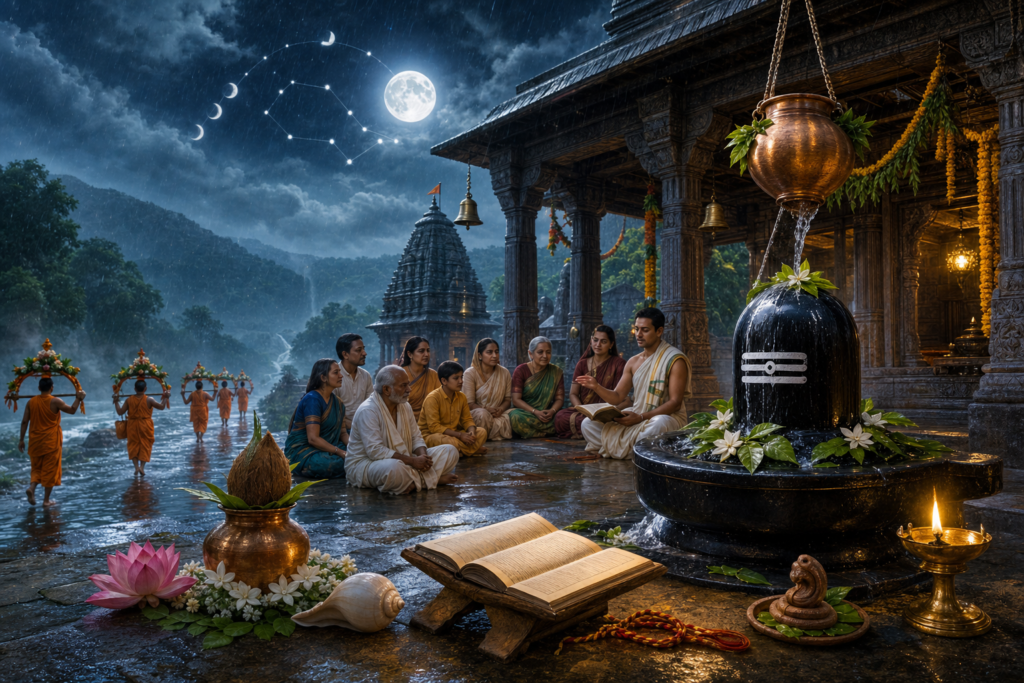
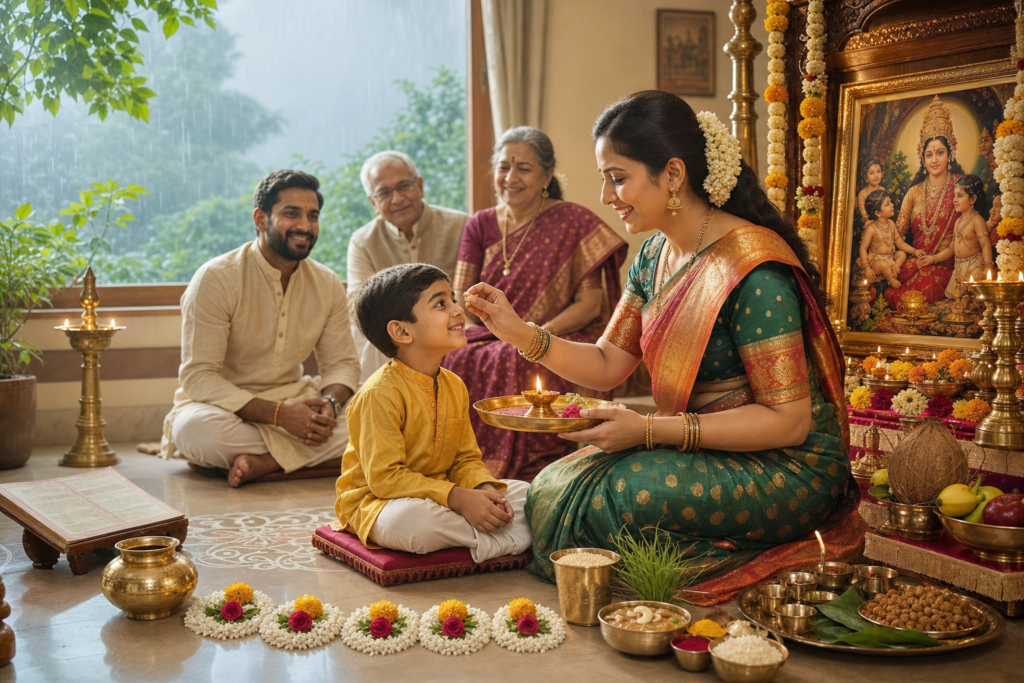
Culturally and spiritually, Dhanu Sankranti encapsulates the symbolism of inner ascent: from the introspective depths associated with Vrischika to the expansive, goal-directed energy of Dhanu. Many households welcome the day with early dawn lamps, simple sattvic meals, and quiet contemplative practice, fostering clarity, gratitude, and renewed intent. Temples dedicated to Vishnu observe special Dhanurmasa rituals, and in several regions devotees undertake Sankranti Snan (ritual bathing) and charitable offerings.
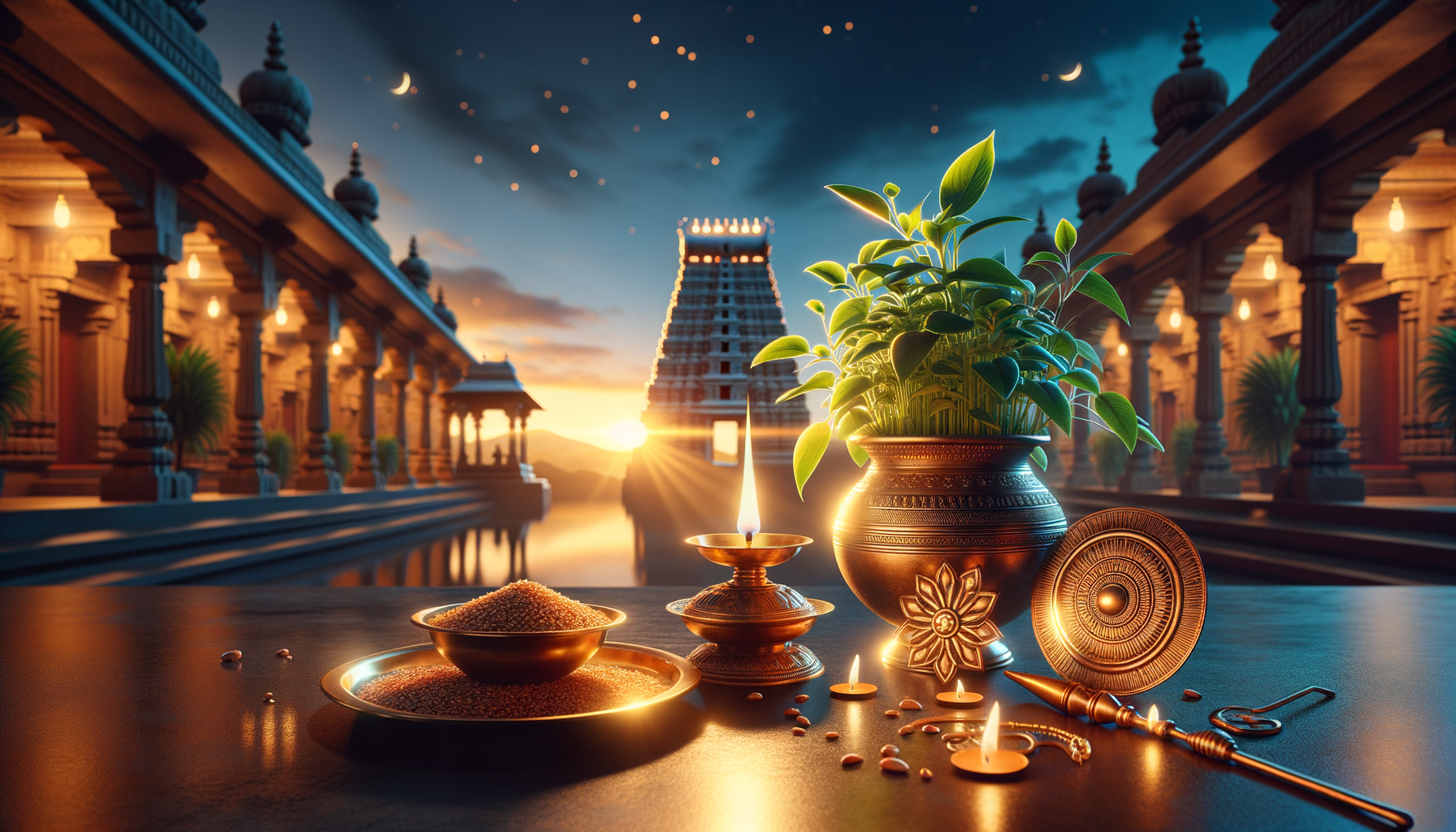
In the Vaishnava tradition, Dhanurmasam is renowned for pre-sunrise worship and the recitation of Tiruppavai; many temples amplify seva and archana to Vishnu and Tulasi during this period. Devotees often chant Vishnu Sahasranama or Aditya Hridayam, offer sesame and jaggery, and practice annadanam, aligning personal discipline with compassionate service. These observances are framed within the Hindu calendar and Panchang guidance to ensure the rites harmonize with the auspicious window of Punyakalam.
The values emphasized on Dhanu Sankrantiearly-morning devotion, self-discipline, charity, and communal harmonyresonate across dharmic traditions. While the specific rites belong to Hindu practice, the shared emphasis on inner transformation and service aligns with the ethical and contemplative spirit found in Buddhism, Jainism, and Sikhism, reinforcing unity through common ideals of compassion, truthfulness, and non-harm.
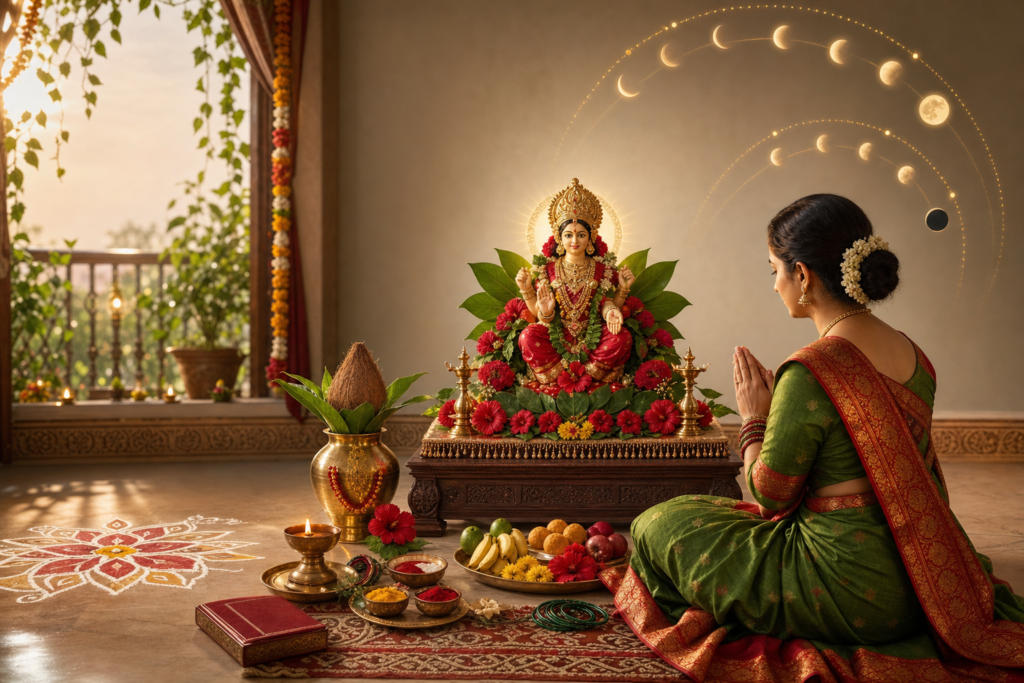
Practically, the day is best observed by aligning personal worship with the local Sankranti moment: a ritual bath near sunrise when feasible, quiet prayer or japa during Punyakalam, lamp offerings, and donations of food or essentials. In many regions, devotees visit nearby Vishnu temples for Dhanurmasa seva. Those in the diaspora should reference their local Panchang or temple announcements to match Punyakalam precisely to their city and time zone.
Key takeaways for planning include: the date (16 December 2025), the centrality of the Sun’s transit into Sagittarius for determining Punyakalam, and the preference for pre-dawn worship during Dhanurmasam. Observances are most meaningful when performed with sincerity and simplicitythrough mindful chanting, Tulasi archana, and acts of generosity that uplift the community.
In sum, Dhanu Sankranti 2025 invites a calm, purposeful beginning to Dhanurmasam. With careful attention to local timings and a focus on devotion and service, the observance becomes both astronomically aligned and spiritually enrichingan auspicious moment to renew intention, deepen practice, and celebrate the unifying values cherished across the dharmic family.
Inspired by this post on Hindu Pad.