-
Sant Ravidas (1450–1520): Visionary Bhakti Poet of Equality, Begampura, and Dharmic Unity

Sant Ravidas (c. 1450–1520) emerges as a central voice of the North Indian Bhakti movement, uniting deep nirguna bhakti with an uncompromising ethic of social equality. Born near Varanasi in a community deemed “untouchable,” he transformed everyday labor into a field of devotion and taught that divine grace recognizes no caste or status. His hymns,…
-
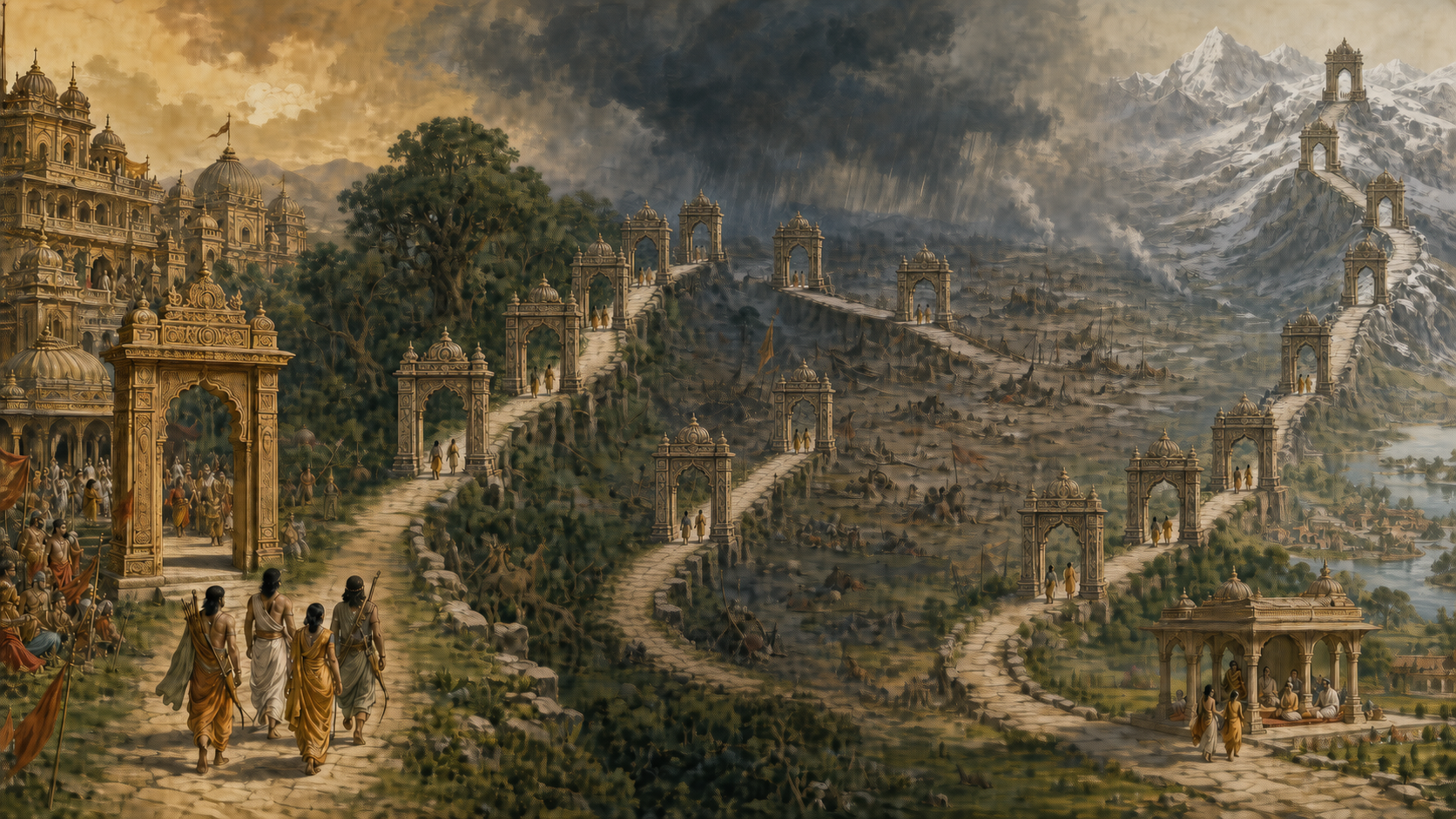
Kumbhakarna vs Karna: Loyalty’s Tragic Valor and Vibhishana’s Dharma in the Ramayana

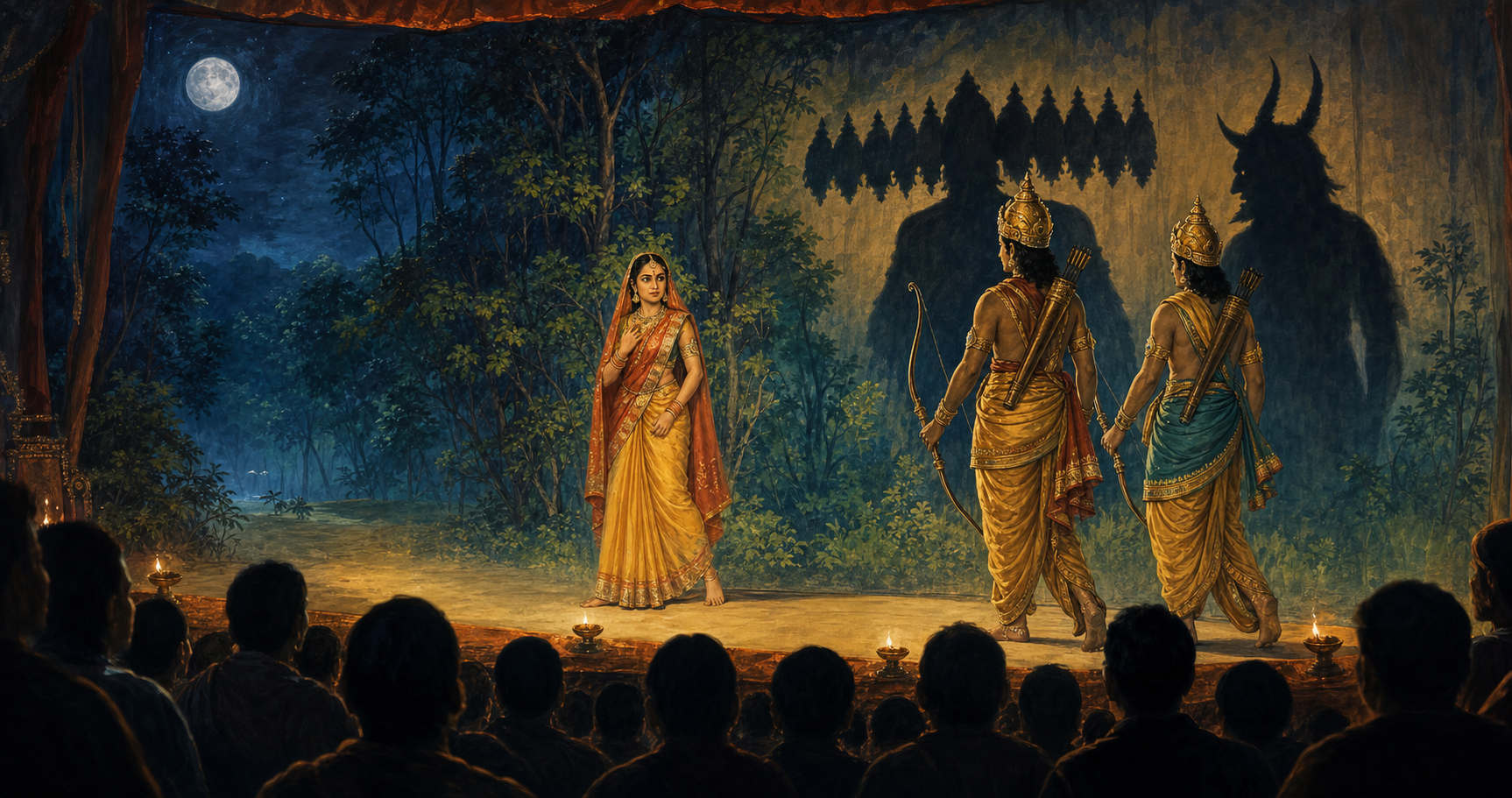
The crisis in Lanka dramatizes a timeless ethical conflict: should loyalty to kin outrank allegiance to universal righteousness? Through Vibhishana’s principled dissent and Kumbhakarna’s tragic loyalty, the Ramayana clarifies how Dharma-Yuddha prioritizes justice over faction. A comparative glance at the Mahabharata’s Karna sharpens this lesson, showing that valor cannot redeem complicity in adharma. Read alongside…
-
Goa Police arrest of Hindu activist Gautam Khattar: nationwide outrage and constitutional scrutiny

Goa Police arrested Hindu activist Gautam Khattar for alleged hate speech, triggering nationwide condemnation and a renewed debate on free speech, hate speech, and due process. This analysis explains the constitutional framework under Articles 19(1)(a) and 19(2), the statutory thresholds in IPC Sections 153A, 295A, and 505(2), and key Supreme Court guardrails like the advocacy–incitement…
-
Hudum Puja of Assam’s Koch Rajbongshi: Ancient Rain Rite, Sacred Ecology, Living Heritage

Hudum Puja is a rain-invoking folk ritual of the Koch Rajbongshi community in Assam, performed during acute drought to seek Hudum Deo’s blessing for timely monsoon showers. Anchored in agrarian time, the rite centers women’s ritual leadership, Hudum geet (satirical and supplicatory songs), and field-edge offerings that align social energy with ecological thresholds. Far from…
-
When Strength Becomes a Cage: How Letting Go of Rescuer Roles Heals Families and the Self

Strength can become a role that traps caregivers in people-pleasing, overfunctioning, and chronic hypervigilance. This narrative-case analysis traces how early parentification and attachment injuries shape adult identity, and explains why the body eventually “keeps score” through stress physiology and shutdown. Readers learn the language of trauma-informed care—polyvagal responses, window of tolerance, caregiver burden—and how these…
-
Kolkata Police Constable Suspended After Viral Pre-Poll Video: Neutrality, Law, and Communal Harmony

A Kolkata Armed Police constable was suspended after a politically charged video went viral ahead of a WB Assembly Election 2026 polling phase, spotlighting the non-negotiable imperative of police neutrality under the Model Code of Conduct. The episode illustrates how service conduct rules, Supreme Court jurisprudence, and departmental SOPs converge to restrict partisan advocacy by…
-
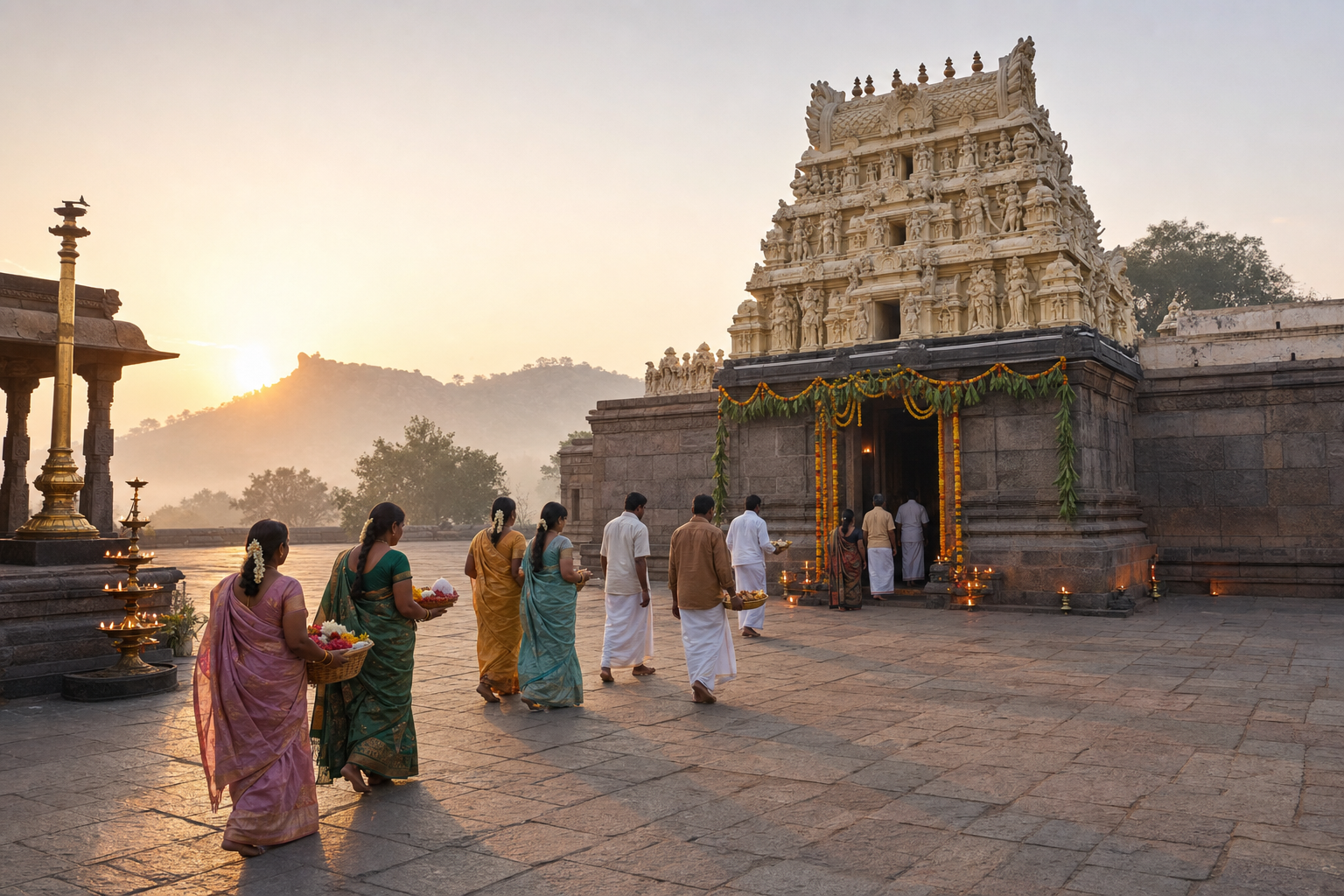
Stride to the Sacred: Stanmore–Bhaktivedanta Manor’s Sunday Foot-Pilgrimage

Each Sunday at 7:00 a.m., a growing community sets out from Stanmore Station on a 5.5-mile, 90-minute walk to Bhaktivedanta Manor, blending devotion to Krishna with the inclusive spirit of dharmic traditions. Anchored in the Bhakti Tradition and echoing Buddhist, Jain, and Sikh foot-pilgrimages, the practice offers a moving meditation that strengthens attention and calm.…
-
Pratyaksha in Nyaya Darshana: Mastering Direct Perception as the Bedrock of True Knowledge

This long-form, research-driven overview presents pratyaksha (direct perception) in Nyaya Darshana as the foundational pramana that grounds inference, analogy, and testimony in Indian epistemology. It clarifies Nyaya’s definition of valid perception, its two-stage phenomenology (nirvikalpa and savikalpa), and its fine-grained analysis of sense–object contact and extraordinary forms such as samanyalakshana, jnanalakshana, and yogaja pratyaksha. Readers…
-
Krishna Katha at ISKCON Silicon Valley: Transformative Bhakti through Chanting and Hearing

This long-form analysis contextualizes the Krishna Katha presented by H.G. Vaisesika Dasa at ISKCON of Silicon Valley on 26 April 2026. It explains why hearing and chanting are central in the Bhakti Tradition, grounding the discussion in the Bhagavad Gita and Srimad Bhagavatham. The piece outlines practical methods of kirtan and japa, describes their physiological…
-
Inside TOVP’s Countdown: Prabhupada 50 Grand Opening Vision and the Nrsimha Caturdasi Finale

The Temple of the Vedic Planetarium in Mayapur marked a contemplative 12-day observance that concluded on Nrsimha Caturdasi, aligning the community’s attention with the Prabhupada 50 opening vision on November 1, 2027. The plan includes a three-month sequence of ceremonies to relocate the Mayapur Deities into their new palace home while maintaining unbroken worship. The…
-
From Valmiki to Tulsidas: Rama’s Journey from Human Ideal to Supreme Divine—Explained

This scholarly comparison explains how Valmiki’s Sanskrit Ramayana and Tulsidas’ Awadhi Ramcharitmanas offer complementary visions of Rama—one as Maryada Purushottama, the ethical human exemplar, and the other as the Supreme Divine of the Bhakti Tradition. It situates both texts in their historical and linguistic contexts, clarifying why Sanskrit itihasa and vernacular kirtan-poetics produce different emphases.…
-
Bengaluru cancels Munawar Faruqui show after HJS, Sri Ram Sena objections: a law-and-order analysis

Munawar Faruqui’s Bengaluru show, scheduled for 18 April 2026, was cancelled after objections by Hindu Janajagruti Samiti (HJS) and Sri Ram Sena and a formal complaint to the Bengaluru Police. This balanced analysis explains what is known, what remains unspecified, and how Indian constitutional principles frame such decisions. It outlines the law-and-order context, discusses the…
-
Nyaya Darshana’s Four Pramanas: A Practical Guide to Valid Knowledge and Clear Reasoning

Nyaya Darshana locates the pursuit of truth in four reliable pramanas—perception, inference, analogy, and trustworthy testimony—offering a rigorous, practical method for valid knowledge. It clarifies how accurate observation is secured, how reasons genuinely support conclusions, how analogies bridge the known and the unfamiliar, and how credible sources can be identified without cynicism. The framework diagnoses…
-
Already Enough: Dharmic Wisdom on Love, Self-Acceptance, and Living Authentically Today

The post argues that love and acceptance are not earned through perfection but revealed through authentic living, aligning with core insights of Hinduism, Buddhism, Jainism, and Sikhism. It explains Atman, anatta, anekantavada, and Ik Onkar as complementary lenses for intrinsic worth and compassionate action. Drawing on the Bhagavad Gita and Upanishads, it reframes perfectionism as…
-
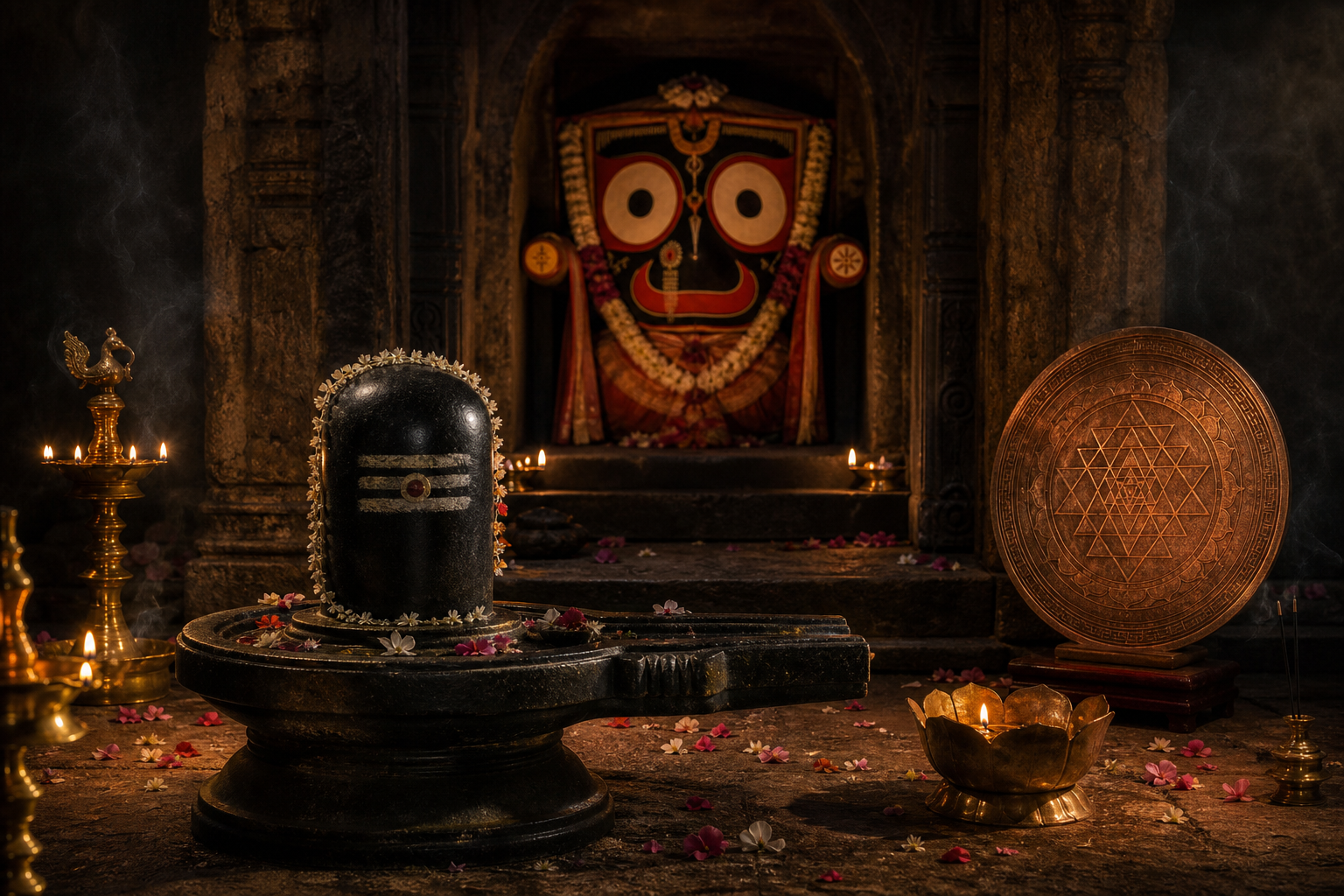
Why Atharva Veda Appears Monkey-Faced: Unveiling Sacred Simian Symbolism in Temples

Hindu temple art often personifies the four Vedas as living presences, and in some regional traditions Atharva Veda appears with a monkey-like face. This simian marker is not caricature but a sophisticated code for healing, protection, breath-centered efficacy, and agile, disciplined intelligence—qualities deeply associated with Atharvan rites. The discussion situates the motif within flexible Śilpaśāstra…
-
Beyond the Senses’ Trap: Dharmic Science of Lasting Joy across Hindu, Buddhist, Jain, Sikh

Modern restlessness around pleasure and possession is precisely mapped in the shared wisdom of Hinduism, Buddhism, Jainism, and Sikhism. Each tradition explains how untrained senses agitate the mind and how disciplined attention—through pratyahara, mindfulness, aparigraha, Seva, and devotion—transforms agitation into equanimity. The piece integrates Hindu models of the indriyas, Gita psychology of desire, Buddhist dependent…
-
Karnataka CET ‘Janivara’ Row: Safeguarding Religious Freedom, Exam Dignity, and Due Process

Reports from Bengaluru indicate an alleged dispute at a Karnataka CET centre over the ‘janivara’ (sacred thread), prompting calls for state action and even affiliation revocation. This analysis explains the constitutional balance between Article 25 religious freedom and legitimate exam-security protocols, emphasising dignity, equality, and proportionality. It outlines how clear KEA-issued SOPs, privacy-respecting checks, and…
-
May 4, 2026 Panchang: Precise Tithi, Shubh Muhurat, Nakshatra, Rashi — Comprehensive Guidance

May 4, 2026 predominantly falls under Krishna Paksha Tritiya, with Dwitiya concluding at 12:57 AM (IST). Using the Udaya Tithi convention, this makes the day suitable for Tritiya-aligned observances across most regions. The post explains how to select a good time (Shubh Muhurat) using Abhijit Muhurta and how to avoid Monday’s Rahu Kaal and Yamaganda…