-
How Controlling Friendships Erode Self‑Trust: Recognize Subtle Manipulation, Reclaim Autonomy

Controlling friendships seldom announce themselves; they evolve through small, reasonable-seeming concessions that erode self-trust. This long-form analysis maps the mechanics of subtle manipulation—gaslighting, emotional accounting, intermittent reinforcement—and explains why intensity and loyalty can masquerade as intimacy. It offers a clear diagnostic question to assess relational health and outlines practical steps to set boundaries without escalation.…
-
Purva Linga and Achala Shivlings: Uncreated Symbols of Shiva’s Eternal Presence

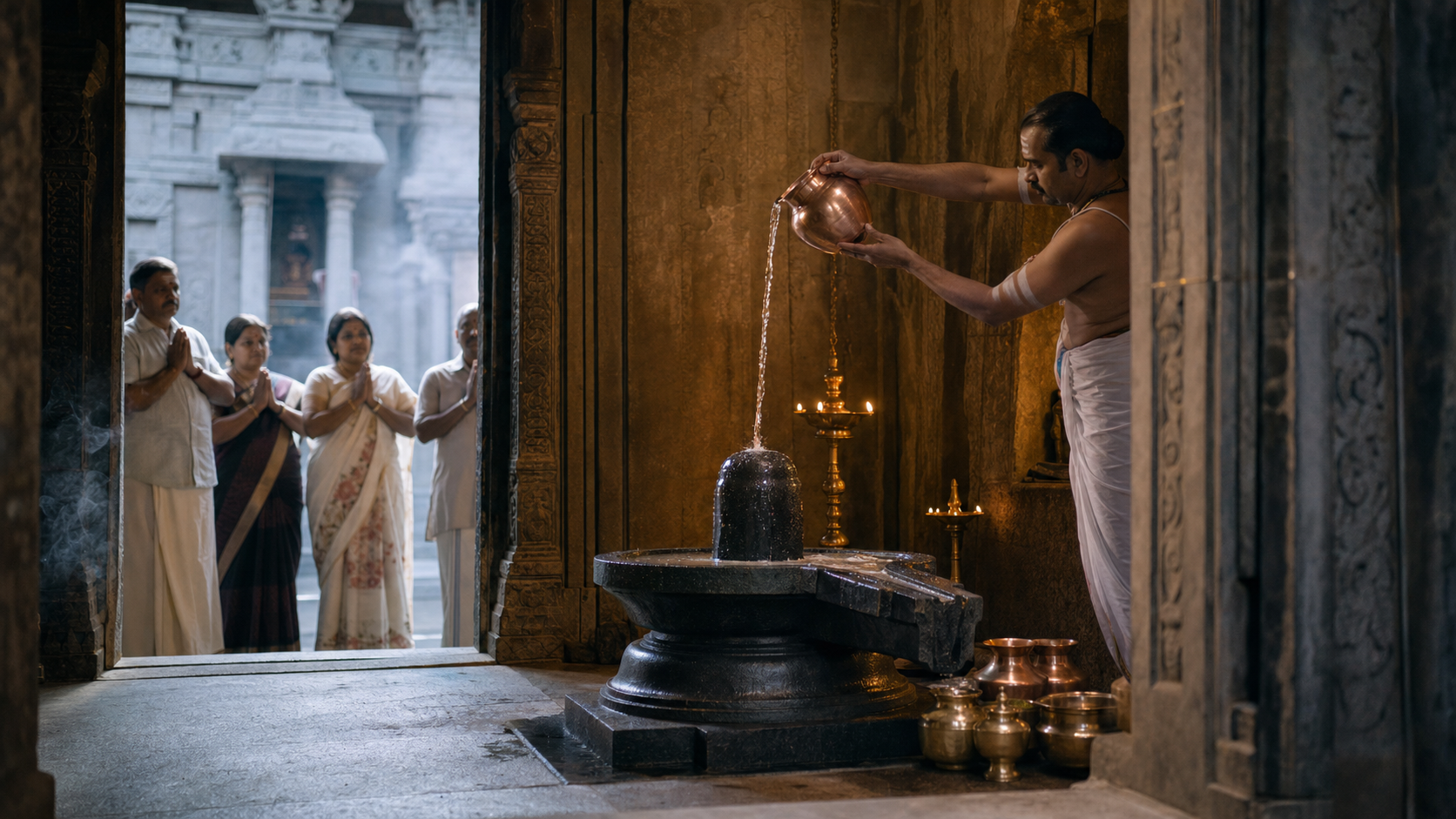
This article explains why the Purva Linga is counted among the Achala Shivlings in Shaivism and how it epitomizes an uncreated, immovable presence of Shiva. It clarifies the philology of “pūrva” and the aniconic meaning of the Shivalinga, linking these ideas to Lingodbhava and Maha Shivaratri. Readers learn how temple architecture, Abhishekam, and daily puja…
-
Trailblazing Women of Pakistani Punjab: Five Brilliant Academics Transforming South Asian Scholarship

Pakistani Punjab’s universities and research centers have nurtured a generation of women scholars whose work reshaped debates in history, education, languages, religion, and civil–military relations. This article profiles five eminent academics—Ayesha Jalal, Rubina Saigol, Arfa Sayeda Zehra, Riffat Hassan, and Ayesha Siddiqa—emphasizing their methodological rigor, curricular influence, and public engagement. Readers gain a panoramic view…
-
Protecting India’s Dharma and Sea Lanes: A Clear‑Eyed Look at Iran’s IRGC, Kashmir, and Rights

India’s civilisational ethos of pluralism and Dharmic balance calls for clear judgment in the Persian Gulf and Kashmir. A sober assessment distinguishes Iran’s luminous civilisation from the coercive toolkit of the IRGC, whose actions endanger maritime trade, energy security, and Indian crews. Documented crackdowns on protests and discrimination against Baháʼís challenge any uncritical romanticism of…
-
From Flower to Faith: Uncovering Puja’s Roots, Vedic Evolution, and Sacred Simplicity

This essay explores the timeless essence of puja by tracing its etymology, ritual history, and lived practice, from the Dravidian echo of ‘pu’ (flower) to Sanskrit notions of honor and reverence. It clarifies how Vedic, Purāṇic, and Agamic sources shaped today’s home and temple worship, including pañcopacāra and śoḍaśopacāra frameworks. Readers gain practical guidance for…
-
Lakuti Dakshinamurti Unveiled: Tantric Iconography, Sacred Symbols, and Living Wisdom

This in-depth exploration unveils Lakuti (Lagudi) Dakshinamurti as the south-facing Adi Guru whose staff encodes sovereignty, discipline, and the subtle spinal axis of awareness. Readers gain a clear, textually grounded understanding of how this staff-bearing variant fits within the broader Dakshinamurti quartet set out in Agamas and Shilpa Shastra. The article decodes each attribute—chinmudra, akshamala,…
-
Facing Life’s Final Examination: Gita 8.6 on Consciousness at Death — ISKCON Insights

This in-depth analysis distills HH Guru Prasad Swami’s “final examination” metaphor for Bhagavad-gita 8.6, showing how consciousness at death reflects a lifetime of formation, not a last-minute tactic. It explains key Sanskrit terms and situates the verse within Gita 8.5–8.14 to emphasize abhyāsa (practice) integrated with bhakti (devotion). Practical guidance translates classical Hindu philosophy into…
-
Indian Railways and Religious Dietary Choice: Halal vs Jhatka—A Practical, Respectful Fix

A passenger’s request for a jhatka meat option on Indian Railways spotlighted a narrow but important gap in IRCTC’s otherwise safety-first catering policy: the absence of transparent, method-of-slaughter choice. This analysis explains why food safety compliance, while essential, does not resolve concerns rooted in conscience and religious practice. It defines halal and jhatka in neutral,…
-
People Over Power: HG Amogh Lila Prabhu’s Dharmic, Research-Backed Guide to Healing Relationships

This analysis distills HG Amogh Lila Prabhu’s core message—people are the true strength of any company, organization, or family—and translates it into a research-aligned, dharmic framework for sustaining healthy relationships. It integrates insights from Hindu Dharma, Buddhism, Jainism, and Sikhism with concepts such as psychological safety and self-determination theory. Readers gain practical methods for dignified…
-
Karnataka CET Uproar: Sacred Janeu Cut Spurs Police Probe, Rights Debate, and Reforms

An alleged cutting of a Hindu student’s janeu at a Karnataka CET centre has ignited a vital debate on how exam security can coexist with constitutional protections for religious practice and student dignity. This analysis explains the sacred significance of the yajnopavita, situates the incident within Article 25 and Article 21, and applies the proportionality…
-
Dakshinagni Unveiled: The Southern Vedic Fire of Ancestors, Ritual Mastery, and Dharma

Dakshinagni is the southern member of the Vedic triad of fires, maintained by an ahitagni and widely identified with the anvāhāryapacana, the hearth used for ritual cooking. Placed to the south within the sacrificial area, it complements garhapatya (west) and āhavanīya (east) to complete a precise ritual ecology. Its role is both pragmatic—preparing ritual foods…
-
Kalachakra in Hindu Tantra: Decoding the Wheel of Time, Consciousness, and Dharmic Unity

Kalachakra in Hindu Tantra presents time as a living cycle that unifies microcosm and macrocosm, offering a precise path to the timeless ground of awareness. Drawing on the Maitri Upanishad and the Bhagavad Gita, it treats time as both measurable rhythm and doorway to the Akāla, the unconditioned. The framework integrates Vedic cosmology, pañcāṅga timing,…
-
The Eternal Joy Within: Dharmic Wisdom on True Happiness, Ananda, and Freedom from Suffering

Modern culture often ties happiness to external milestones, yet Hindu wisdom distinguishes this conditional pleasure from intrinsic ananda—the steady joy of awareness. Drawing on the Upanishads, the Bhagavad Gita, and Yoga philosophy, this essay maps how attention becomes entangled in craving and how disciplined living restores clarity. It outlines four complementary yogas—karma, bhakti, jñāna, and…
-
Reviving Sacred Questioning: Vedic, Buddhist, Jain, and Sikh Paths to Intellectual Freedom

Sacred questioning sits at the heart of the dharmic heritage. This long-form analysis traces how Vedic dialogues, Nyāya–Mīmāṃsā logic, Buddhist pramāṇa theory, Jain anekāntavāda, and Sikh vichar cultivated disciplined inquiry as a path to truth and social harmony. It explains the technical tools of reasoning—pramāṇas, syllogisms, hermeneutic canons, and fallacy-detection—and shows how classical śāstrārtha fostered…
-
Piercing the Veil of Avidya: How Ignorance Blocks Spiritual Growth—and How to End It

Avidya—misapprehension rather than mere lack of information—sits at the root of suffering and obstructs spiritual progress. This analysis synthesizes Hindu philosophy with allied insights from Buddhism, Jainism, and Sikhism to show how ethics, meditation, devotion, and knowledge converge to dispel ignorance. Drawing on the Upanishads, the Bhagavad Gita, Vedanta, and the Yoga Sutra, it clarifies…
-
May 5, 2026 Panchang: Auspicious Angaraki Sankashti, Shubh Muhurat, Nakshatra, Rashi

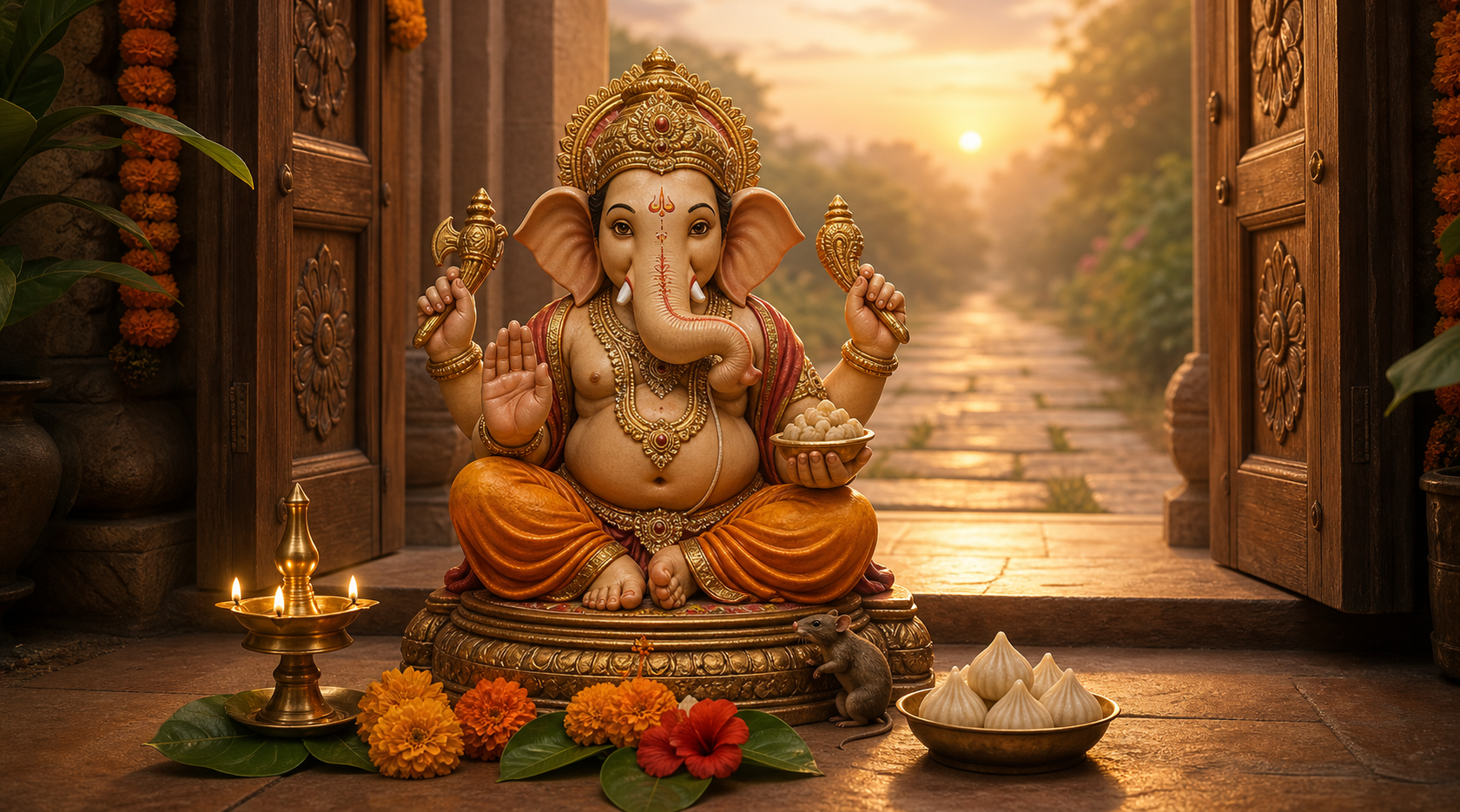
May 5, 2026 is a Krishna Paksha day with Tritiya lasting until 2:59 AM and Chaturthi thereafter in most regions, making it Angaraki Sankashti Chaturthi. The day is especially favorable for Ganesha upasana, disciplined sadhana, and obstacle-clearing intentions, with the fast traditionally broken only after moonrise. Shubh Muhurat planning can rely on Brahma Muhurta, Abhijit…
-
Cox’s Bazar Hindu Priest Found Dead: Urgent Call for Justice, Rule of Law, and Minority Safety

A 40-year-old Hindu priest and temple caretaker in Cox’s Bazar, Bangladesh, was found dead after going missing, prompting urgent calls from minority-rights and interfaith groups for a transparent, time-bound investigation. This analysis explains how the Constitution of Bangladesh, the Penal Code, and the Code of Criminal Procedure together mandate an impartial process, from inquest and…
-
Agnidev Das (ACBSP) in Critical Condition: Stroke Realities, Compassionate Care, and Dharmic Unity

Agnidev Das (ACBSP), a senior disciple of Srila Prabhupada, is in critical condition following a severe brain stroke; clinicians report unresponsiveness and a transition to comfort-focused care. This analysis explains the clinical landscape of stroke—ischemic and hemorrhagic types, time-sensitive interventions, and why treatment sometimes shifts from curative to palliative. It clarifies that palliative medicine is…
-
Channel 5 Captures Ahimsa Farming at New Gokul: Hand-Milking, Oxen Power, Spring Renewal

Channel 5’s Springtime on the Farm visited Bhaktivedanta Manor’s New Gokul Farm to capture hand-milking, oxen-led fieldwork, and the Holland Farm horticultural project in Hertfordshire. The feature presents a dharmic, ahimsa-based model of cow protection consistent with UK animal welfare standards and regenerative agriculture. Readers gain technical insight into hand-milking protocols, herd health, pasture-based nutrition,…
-
Maharshi Shukadeva (Shuka Muni): The Fearless Sage Who Voiced the Bhagavata Purana

Sage Śuka—known as Maharshi Shukadeva, Shuka Muni, and Shuka Brahma—is celebrated as the realized narrator of the Bhagavata Purana and the son of Veda Vyasa. Classical sources, including the Mahabharata and Puranas, portray him as the archetypal paramahamsa who unites jñāna, bhakti, and vairāgya. His seven-day discourse (saptāha) to King Parikshit distills creation, avatāra theology,…