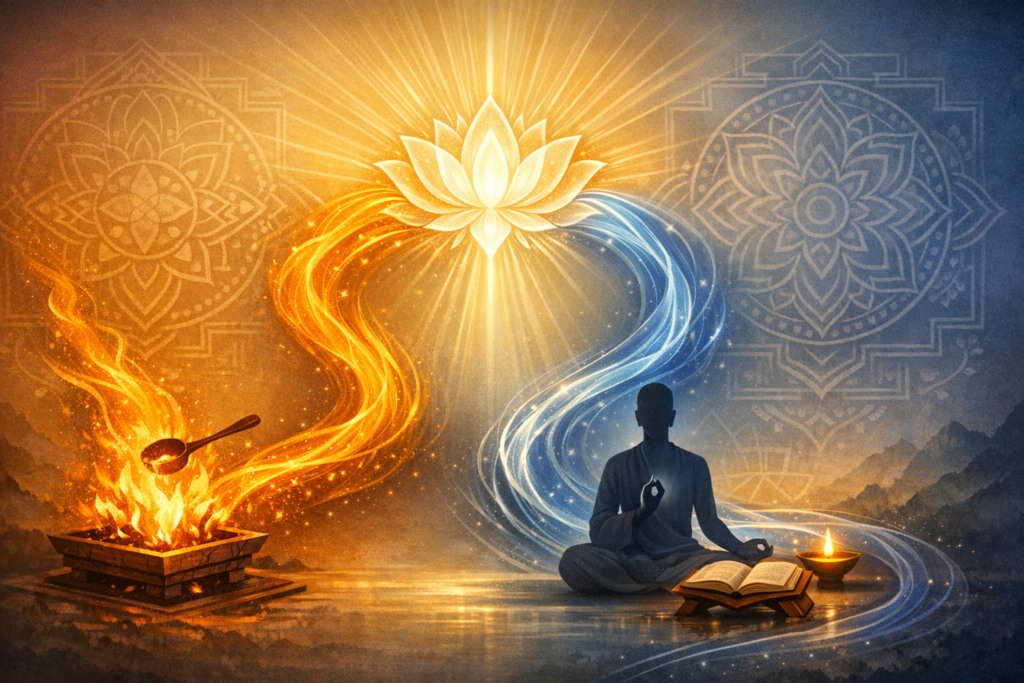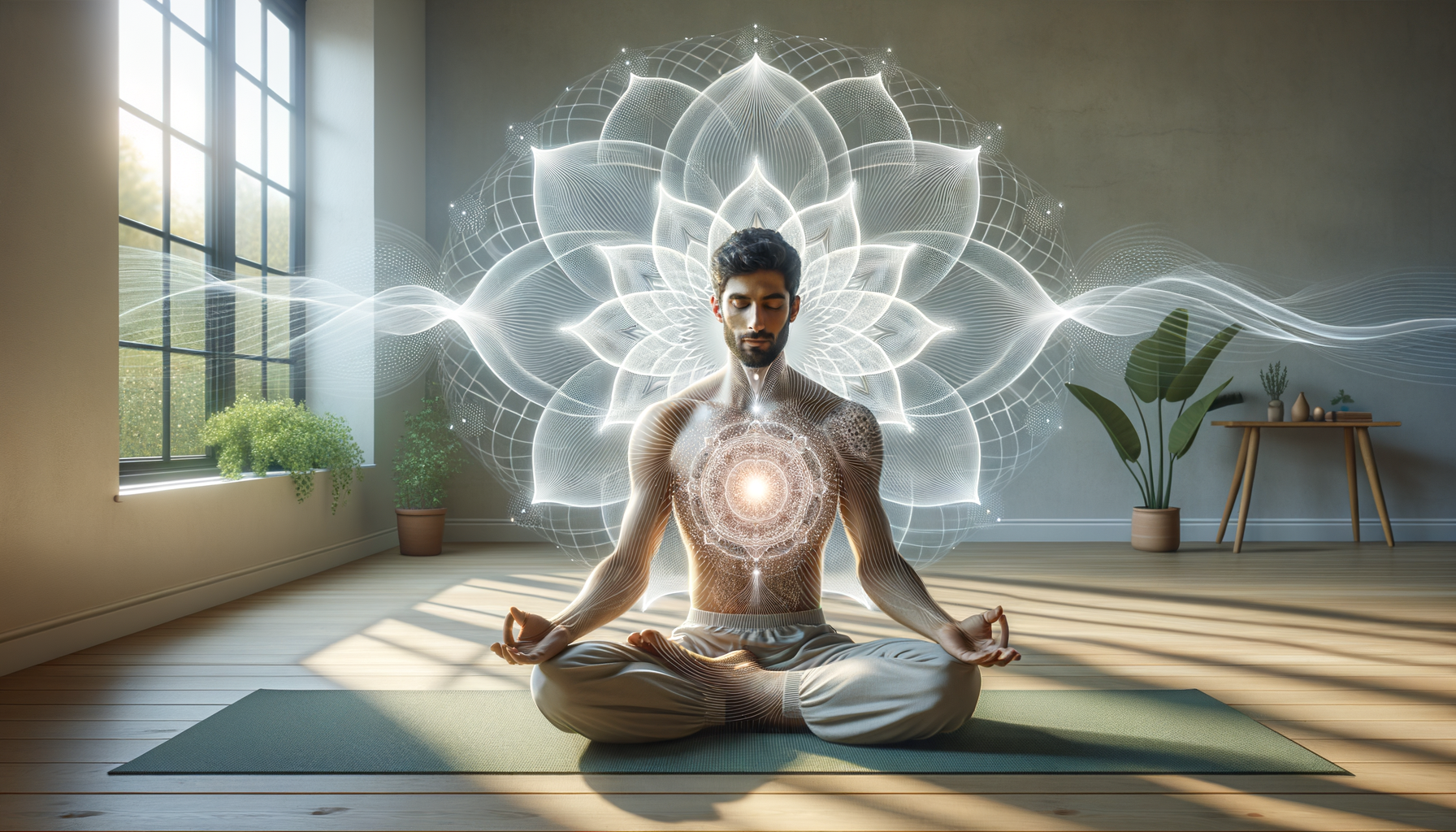
Yoga is best understood as an integrated discipline that unites body, mind, and subtle awareness to cultivate inner peace. Across the dharmic traditions of Hinduism, Buddhism, Jainism, and Sikhism, its core methods—ethical intention, breath regulation, mindful movement, and contemplative focus—are applied to stabilize attention and harmonize emotion. This multidimensional approach clarifies why the relation between yoga and peace is both experiential and evidence-informed.
Peace in this context is more than the absence of conflict; it denotes a steady inner equanimity that enables compassionate action and social harmony. Stress commonly amplifies reactivity, anger, jealousy, and rumination. Through systematic relaxation, breathing exercises, and meditation techniques, yoga reduces physiological arousal and strengthens cognitive-emotional balance, making calm a trainable skill rather than a temporary state.
Mechanistically, pranayama modulates the autonomic nervous system, improving heart rate variability and downshifting the body from sympathetic overdrive to parasympathetic restoration. Gentle asana releases muscular tension and refines proprioception, while focused attention and mantra-based practices decrease mental noise and reduce habitual rumination. Together, these elements enhance the mind-body connection and create conditions in which clarity, resilience, and inner peace can reliably emerge.
Simple, evidence-aligned practices make this process accessible. Coherent breathing at five to six breaths per minute, box breathing (equal-count inhale, hold, exhale, hold), or nadi shodhana can be used as brief interventions to ease stress and restore composure. Short sessions—one to three minutes—integrated into daily routines often suffice to interrupt spirals of reactivity and re-establish balance.
The ethical foundations of Yoga—yama and niyama—translate inner steadiness into outward peace. Ahimsa (non-violence), satya (truthfulness), and aparigraha (non-grasping) orient conduct toward compassion and restraint. These principles resonate with dharmic counterparts: Jainism’s emphasis on ahimsa, Buddhism’s metta (loving-kindness) and mindfulness, and Sikhism’s seva (selfless service). Converging on shared values, these traditions demonstrate how inner transformation supports communal harmony.
A pragmatic sequence can anchor daily practice: begin with a clear sankalpa (intention for śānti), follow with 8–10 minutes of gentle asana to release tension, add 5 minutes of pranayama to regulate breath and calm the nervous system, and conclude with 5–10 minutes of meditation or mantra japa to stabilize attention. Closing with gratitude or a brief metta reflection reinforces prosocial emotion and helps carry peace into relationships and work.
Consistent practice tends to produce recognizably beneficial outcomes: reduced stress and emotional volatility, improved focus and decision-making, deeper sleep, and a felt sense of inner spaciousness. Many practitioners describe a clear pivot from impulsive reaction to reflective response, which, over time, reshapes interpersonal dynamics, fosters empathy, and promotes sustainable well-being.
Viewed through both traditional wisdom and modern understanding, the relation between yoga and peace is cumulative and reciprocal: calm breath steadies attention; steady attention guides ethical action; ethical action reinforces social trust; social trust nurtures lasting peace. By embracing shared dharmic insights and accessible techniques, individuals and communities can cultivate a grounded, compassionate presence that supports unity within and across traditions.
Ultimately, Yoga offers a coherent pathway from stress to serenity. Through breath, movement, and mindful awareness, it transforms inner turbulence into clarity and care—an enduring basis for personal resilience and collective harmony.
Inspired by this post on Hindu Pad.