This timely inquiry asks whether daily Jain rituals already contain yoga and meditation, what these practices mean within Jain Dharma, why they matter, the benefits they yield, and how they align with contemporary methods in the Western world. In Jainism, yoga and meditation are not peripheral add-ons; they are core disciplines woven into everyday conduct and ritual observances that cultivate clarity, compassion, and ultimately liberation (moksha).
In the Jain philosophical vocabulary, yoga encompasses disciplined activity of mind, speech, and body directed toward right faith, right knowledge, and right conduct. Meditation (dhyana) is the steadying and refinement of attention that transforms intention and behavior. Together, they orient the practitioner toward ahimsa, aparigraha, self-restraint, and inner equanimity, creating a practical path from restlessness to samadhi.
Daily Jain rituals already embed these practices. Samayik sets a dedicated period for equanimity, breath awareness, and stillness; Pratikraman integrates introspection, ethical review, confession, and resolve; Pratyakhyana renews vows; Kayotsarga develops bodily stillness and non-reactivity; and the 12 bhavana offer contemplations that reshape perception and intention. In lived experience, householders often report that these observances feel like structured mindfulness sessions interlaced with ethical clarity.
The 12 bhavanareflections such as anitya (impermanence), asuci (impurity of the body), asrava (influx of karmic matter), samvara (stoppage), nirjara (shedding), and othersfunction as guided meditations that loosen habitual attachments and re-center daily life around dharma. Practitioners frequently describe a felt sense of lightness and purpose after even brief, consistent contemplation.
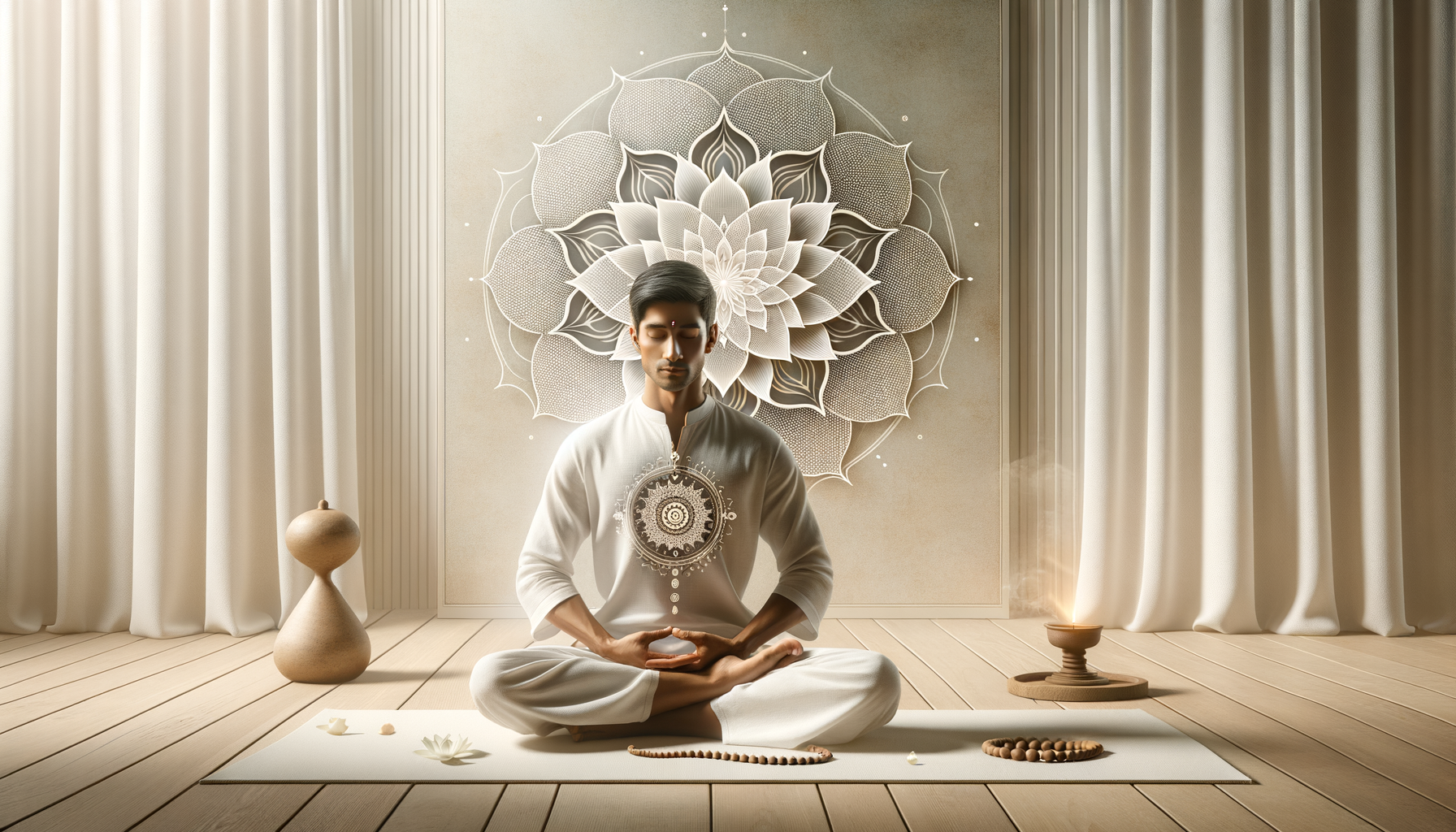
Posture and breath support this inner work. Comfortable and steady asana stabilize the body for prolonged attention, while Kayotsarga refines stillness and ease. Pranayama is used in a gentle, non-coercive manner to calm the nervous system and cultivate mindful breathing; its role is supportive rather than performative, keeping the emphasis on non-violence, awareness, and restraint.
Jain Dharma distinguishes four kinds of dhyana: arta dhyana (sorrowful rumination) and raudra dhyana (harmful or wrathful meditation) are considered unwholesome, while dharma dhyana (virtuous contemplation) and shukla dhyana (pure meditation) lead toward inner freedom. The practical goal is to move progressively from scattered attention to dharma dhyana and finally to shukla dhyana, culminating in samadhi.
Classical stages familiar from Raja Yogapratyahara (sensory withdrawal), dharana (concentration), dhyana (meditation), and samadhiare readily mapped within Jain practice. Jain vows parallel yama and niyama in spirit, grounding mental training in ethical commitments. This shared framework highlights deep civilizational dialogue across the dharmic traditions while preserving Jainism’s distinctive emphasis on non-violence and karmic purification.
The benefits are both ethical and empirical. Practitioners commonly notice improved concentration, emotional balance, reduced stress, and a clearer orientation toward compassionate choices. Over time, these practices purify intention, reduce reactivity, and align thought, speech, and actionoutcomes that modern wellness research associates with better mental health and sustained resilience.
For lay followers, a practical routine might include 10–20 minutes of Samayik with breath awareness, a short Kayotsarga for stillness, reflection on one or two of the 12 bhavana, and a brief Pratikraman in the evening. Many report that this steady cadence transforms routine days into opportunities for mindful living, integrating spirituality with household and professional responsibilities.
Jain yoga and meditation methods align naturally with modern Western mindfulness, compassion-based training, and breathwork. The ethical bedrock (ahimsa, aparigraha) complements contemporary interest in values-led living, while contemplative techniques interface smoothly with evidence-based approaches to stress reduction and focus. The result is a respectful, mutually enriching dialogue that honors tradition and serves present-day needs.
These convergences also affirm unity among the dharmic traditions of Hinduism, Buddhism, Jainism, and Sikhism. Shared commitments to inner transformation, non-harm, and truth-seeking create bridges of practice and understanding, even as each path sustains its unique vocabulary and aims. In this light, Jain yoga and meditation are both a complete path to liberation and a living resource for modern wellbeing, inviting practitioners to cultivate freedom in thought, speech, and action every day.
Inspired by this post on Jainism Says.