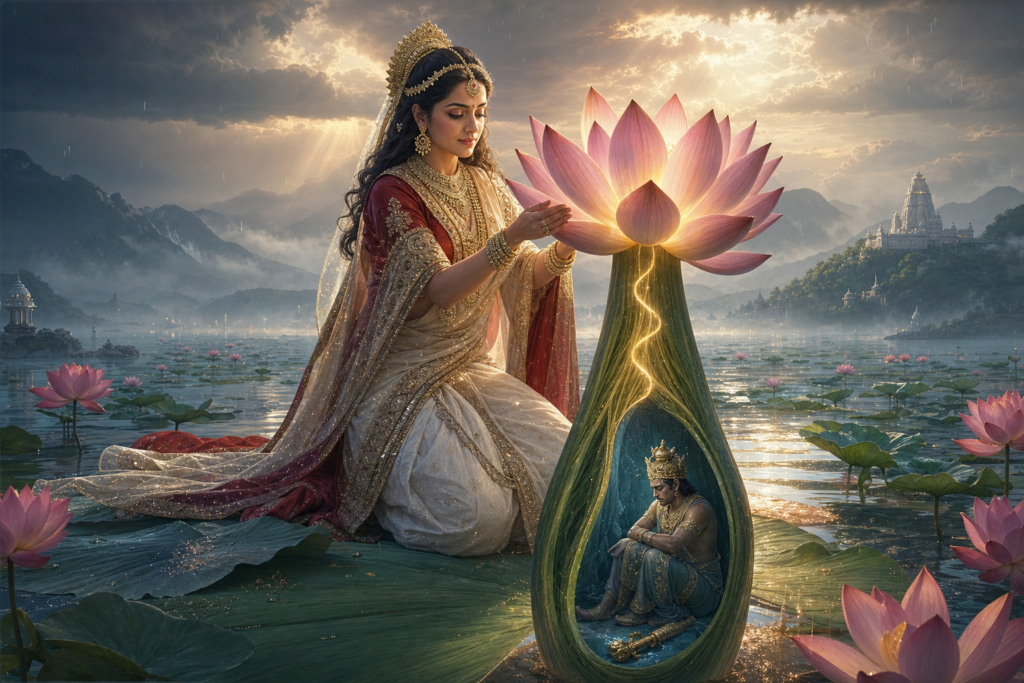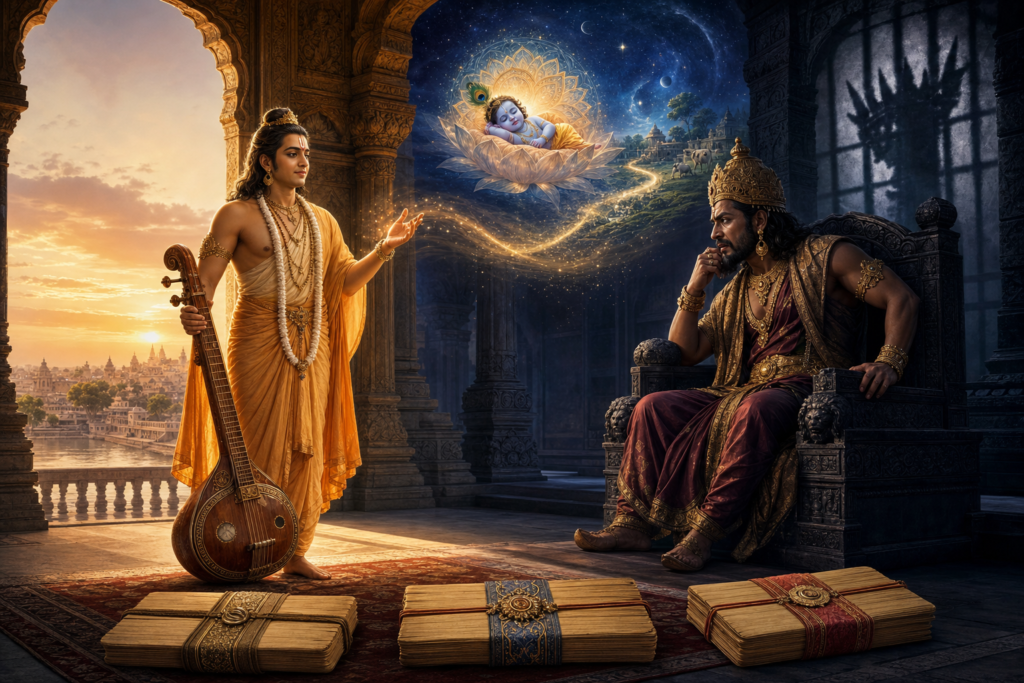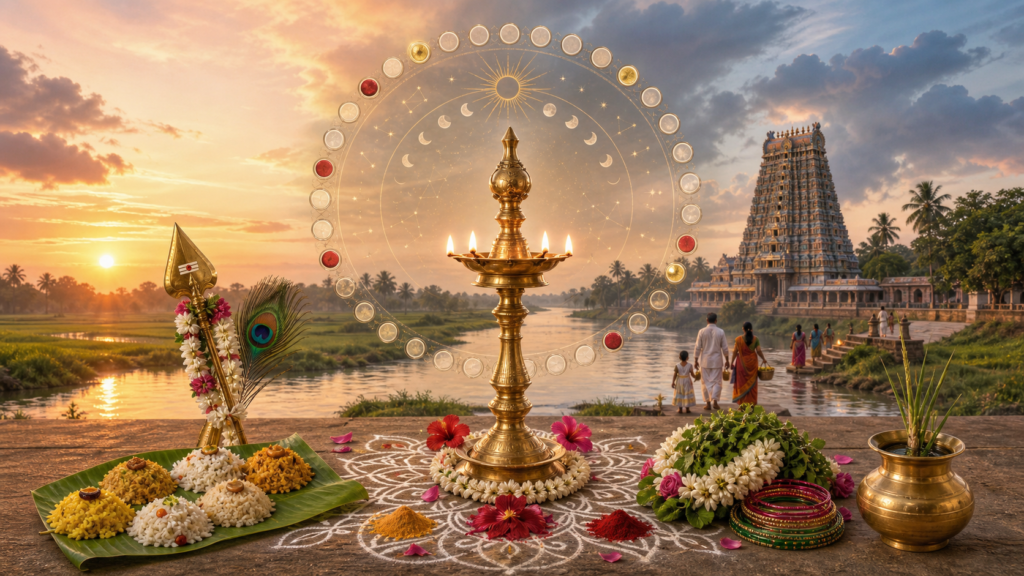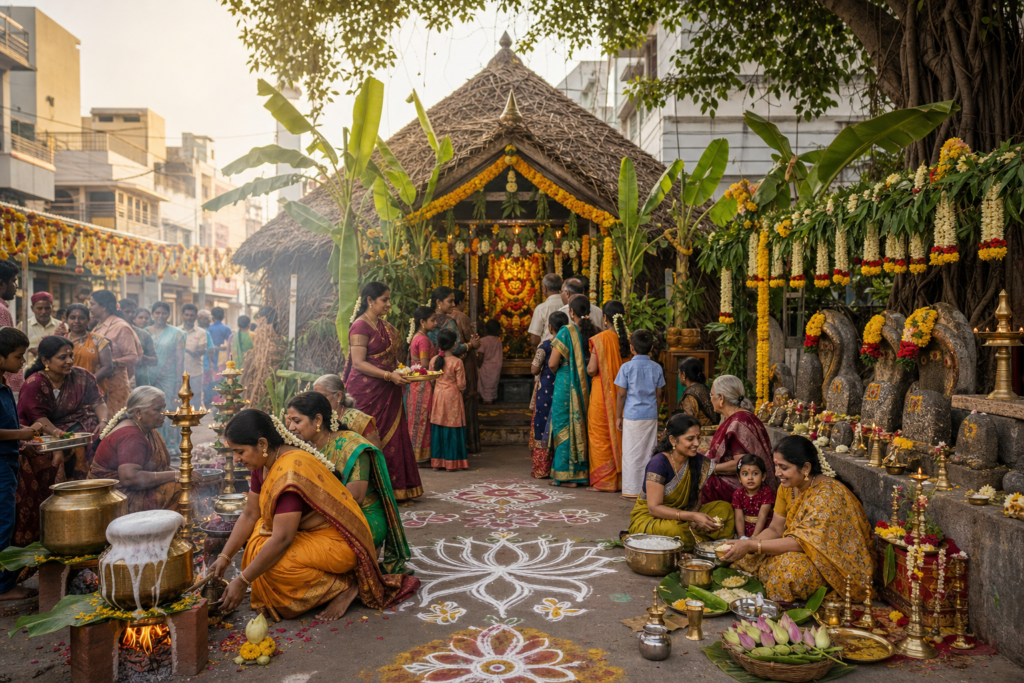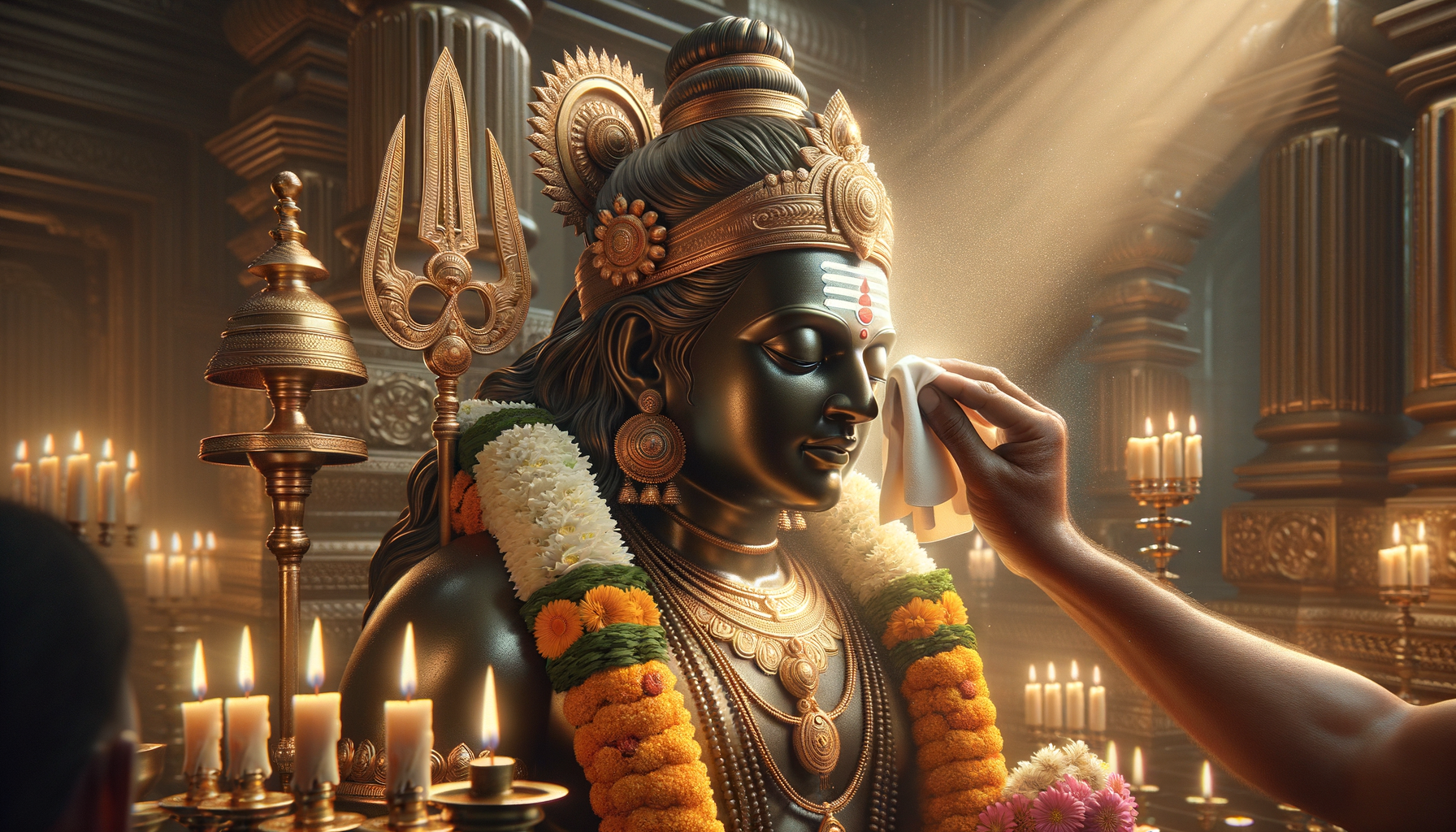
At the Sikkal Singaravelan temple in Tamil Nadu, a striking ritual phenomenon unfolds during Surasamharam, the climactic observance of Skanda Sashti. As Lord Muruga (Singara Velavar) ritually receives the Vel, the utsava murti is observed to develop moisture, popularly described as a “sweating posture.” Temple priests respond by gently and continuously wiping the deity, maintaining ritual purity while allowing devotees to witness the moment with reverence.
Local tradition and classical narratives, including strands associated with the Skanda Purana, interpret this manifestation as an embodied sign of righteous resolveMuruga’s focused krodha and protective compassion before the defeat of the Asura Surapadman. In this understanding, the Vel functions as the luminous instrument of dharma, and the “sweat” signifies the deity’s readiness, aligning theological meaning with lived ritual experience.
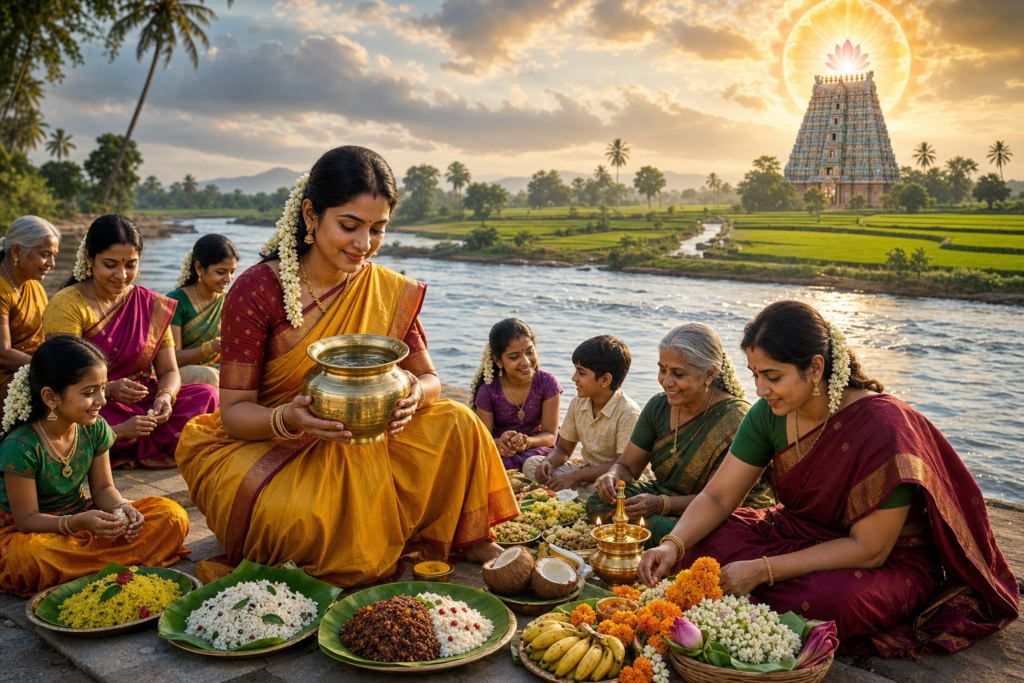
Eyewitness accounts and temple chronicles describe a distinct hush in the sanctum when the Vel is presented. Many devotees report a palpable sense of presence and emotional uplift, while priests attend to the utsava murti with precise sequencealankaram, presentation of the Vel, and careful wiping of visible droplets. The practice is approached with academic caution as a community-observed phenomenon, framed by faith, sanctum conditions, and ritual materials, yet it remains consistently remembered across generations in Tamil temple tradition.
Beyond spectacle, the event conveys a shared dharmic message: courage guided by discipline, victory of ethical order over chaos, and devotion expressed through service. These values resonate across Hinduism, Buddhism, Jainism, and Sikhism in the emphasis on self-mastery, compassion, and protection of the vulnerable, nurturing unity while honoring diverse paths within the broader dharmic family.
For students of cultural heritage and temple studies, Sikkal Surasamharam offers a rare case where theology, community memory, and ritual choreography converge. Observing with mindfulnessallowing the moment to unfold without hastecan deepen understanding of Hindu festivals, Tamil temple aesthetics, and the continuity of living traditions. In this way, the “sweating posture” becomes less a curiosity and more a doorway to studying symbolism, embodied devotion, and the enduring vitality of dharmic practice.
Inspired by this post on Hindu Pad.