
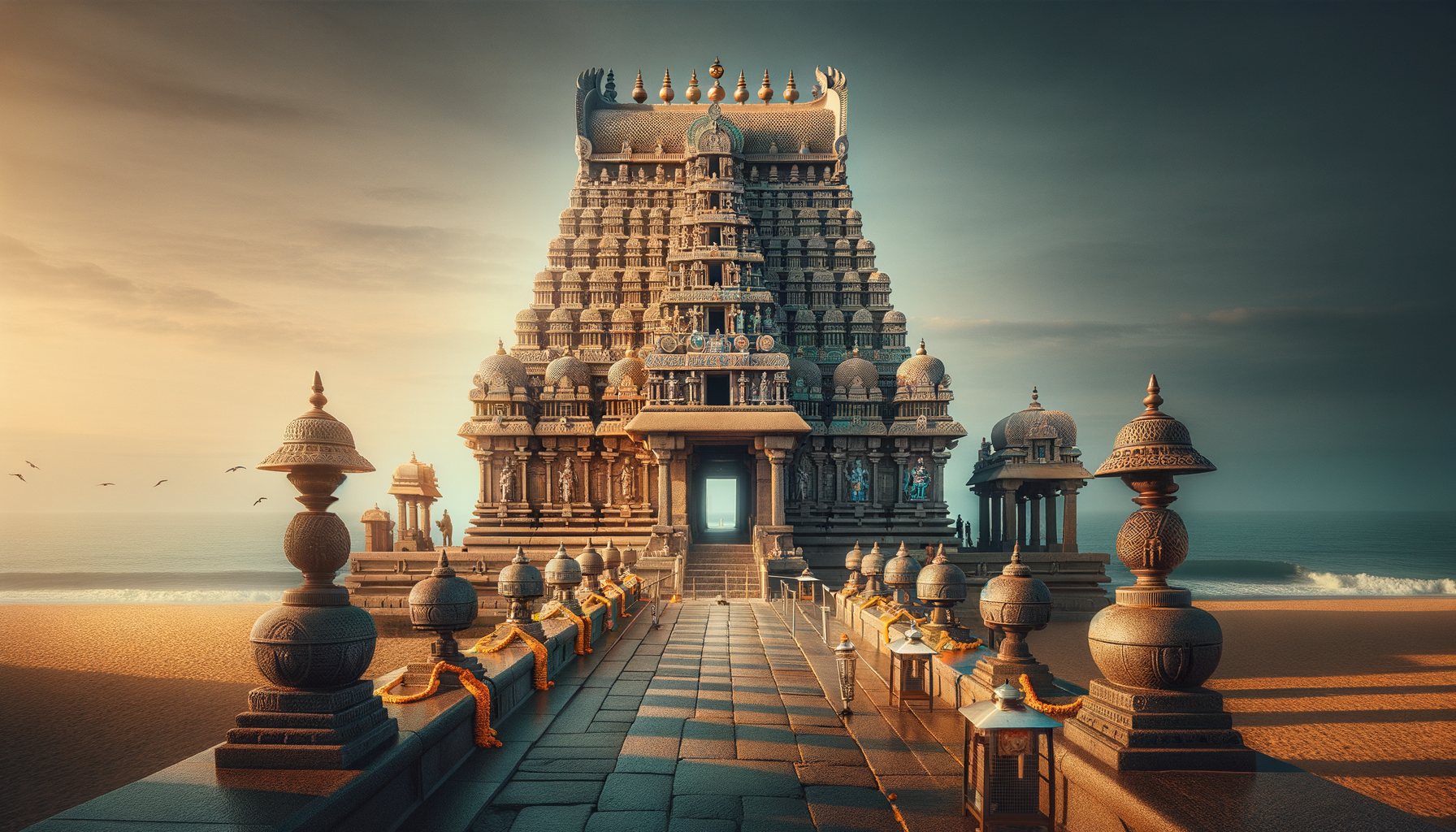
Sri Sthalasayana Perumal Temple in Mahabalipuram stands as a serene locus of bhakti and heritage, revered as a Divyadesam dedicated to Lord Vishnu. Celebrated in the Divya Prabandhathe sacred corpus of devotional hymns by the Azhwar saintsthis temple embodies an unbroken continuum of worship and learning that spans centuries. Set within a coastal town renowned for its stone craft and classical forms, the shrine invites seekers, scholars, and art enthusiasts to a space where devotion and Dravidian architectural aesthetics converge.
As one of the Divyadesam Temples, the site carries distinctive spiritual prestige. The inclusion of its glory in the Nalayira Divya Prabandham not only affirms its sanctity but also situates the temple within the larger map of South Indian Vaishnava pilgrimage. The hymns attributed to the Azhwar saints capture an atmosphere of intimate devotion, providing a literary and philosophical frame that continues to guide ritual life, community memory, and cultural identity.
The temple’s Dravidian architectural profileharmonious proportions, sculpted elements, and a sanctum designed for contemplative darshanreflects the craftsmanship that Mahabalipuram is widely admired for. While the town’s broader landscape includes UNESCO-recognised monuments, Sri Sthalasayana Perumal Temple adds a living, liturgical dimension to this heritage. For students of Ancient Architecture and Cultural Heritage, the shrine offers an instructive case where sacred design, functional ritual space, and community devotion remain dynamically interlinked.
Visitors often describe a quiet sense of upliftment upon entering the precinctsan experience shaped by the cadence of Vedic recitation, the visual poise of the deity, and the gentle rhythm of circumambulation. The temple’s atmosphere naturally encourages reflection on shared dharmic valuesdevotion, compassion, and servicethat resonate across Hinduism, Buddhism, Jainism, and Sikhism. In this way, the site speaks to a broader civilizational ethos of unity in spiritual diversity, welcoming all who seek tranquility and insight.
Those planning a visit typically find early mornings and evenings most conducive to contemplative darshan. Respectful attire, mindful movement within sanctified spaces, and an eco-conscious approach to offerings help preserve the shrine’s dignity and the town’s fragile coastal heritage. Whether approached as a pilgrim intent on reciting verses from the Divya Prabandha or as a heritage traveler exploring South Indian temples, Sri Sthalasayana Perumal Temple rewards attention with enduring aesthetic grace and profound spiritual calm.
Inspired by this post on Hindu Pad.










