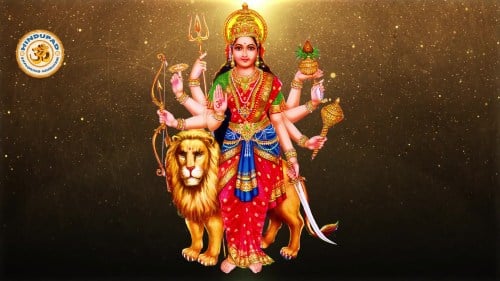
Kanchi Kamakshi Temple, widely honored as Kanchi Shaktipeetham, stands at the spiritual heart of Kanchipuram in Tamil Nadu. As a major center of Shaktism in South India, it embodies centuries of devotion to Goddess Kamakshian auspicious form of Devi Parvatiand preserves a living tradition that continues to inspire pilgrims, scholars, and cultural travelers.
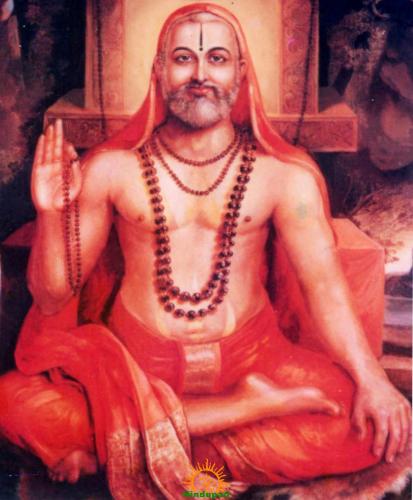
Classical references and local lore frequently invoke the phrase “kamakshi Kanchikapure..,” celebrating the goddess as the benevolent vision (akshi) of love (kama) who blesses the sacred city. Tradition holds that Adi Shankaracharya consecrated the Sri Chakra within the sanctum to harmonize the dynamic energies of the Devi, a point that underscores the temple’s synthesis of theology, ritual, and philosophy.
Revered in many traditional lists of the Ashtadasha Shakti Peethas, the temple connects Kanchipuram to a broader pan-Indian geography of the Divine Feminine. This Shaktipeetham identity situates Kanchi Kamakshi Temple within a network of sacred sites that collectively affirm the centrality of Devi worship in Hindu Dharma, while also reflecting the syncretic devotional patterns that characterize South Indian religious history.
Architecturally, the temple exemplifies Dravidian design, with soaring gopurams, layered prakarams, intricately carved mandapas, and a sacred tank that together create an immersive ritual landscape. The sculptural programdepicting forms of Shakti, attendant deities, and mythic episodesserves both as visual theology and as a pedagogic archive for understanding regional aesthetics and devotional practice.
Ritual life at Kanchipuram’s Kanchi Kamakshi Temple is vibrant and continuous. Daily pujas, alankarams, and deepa-aradhanas culminate in seasonal observances, with Navaratri receiving special prominence among devotees of Shaktism. These festivities offer a structured encounter with the goddess’s many attributescompassion, protection, wisdomwhile drawing pilgrims from across South India and beyond.
Visitors routinely describe a contemplative atmosphere within the garbhagriha, where the presence of Kamakshi Amman is experienced as both protective and transformative. The city’s broader temple ecosystemencompassing Ekambareswarar (Shaiva) and Varadaraja Perumal (Vaishnava) shrinesfurther enriches the pilgrimage, demonstrating how distinct sampradayas coexist and mutually elevate the sacred character of Kanchipuram.
In the wider context of dharmic unity, the temple’s celebration of the Divine Feminine resonates with values cherished across Hinduism, Buddhism, Jainism, and Sikhism: non-harm, inner discipline, wisdom, service, and reverence for truth. By highlighting shared ethical foundations and a culture of respect for diverse pathways, Kanchi Shaktipeetham models a spirit of harmony that strengthens unity in spiritual diversity.
Practical considerations support a meaningful visit: modest attire is customary; crowd levels increase markedly during Navaratri; and photography may be restricted in certain precincts. Approaching the temple with quiet decorum and mindful participation in the rituals allows pilgrims and cultural enthusiasts alike to appreciate the depth of its living heritage.
As a locus of faith, art, and civilizational memory, Kanchi Kamakshi Temple continues to affirm Kanchipuram’s status as a premier sacred city of South India. Its enduring appeal lies in the confluence of Shaktism theology, Dravidian architecture, and inclusive devotional culturean inheritance that invites repeated return and renewed understanding.
Inspired by this post on Hindu Pad.