Margazhi Masam (Dhanurmasam) in Chennai transforms sacred spaces into vibrant centres of devotion, art, and living heritage. Throughout this auspicious month, temples schedule special pujas, festivals, spiritual discourses, and, in select shrines, thoughtfully curated music and dance programs that sustain bhakti while showcasing the city’s architectural and cultural richness.
At dawn, the city awakens to kolam patterns glistening on temple streets, the resonant cadence of Thiruppavai and Thiruvempavai recitations, and a sense of shared purpose among devotees and visitors. The atmosphere is contemplative yet welcoming, making Margazhi an ideal time to engage with Chennai’s temples in a manner that blends learning with lived experience.
Vaishnava temples anchor the month with Vaikunta Ekadasi observances. Sri Parthasarathy Temple (Triplicane), Sri Adi Kesava Perumal Temple (Mylapore), and Ashtalakshmi Temple (Besant Nagar) typically see large congregations for the opening of the Sorga Vaasal, Divya Prabandham parayanam, and Andal-focused Thiruppavai recitations. These rituals emphasize humility, discipline, and the aesthetic beauty of temple tradition, offering visitors an accessible way to understand Margazhi’s devotional core.
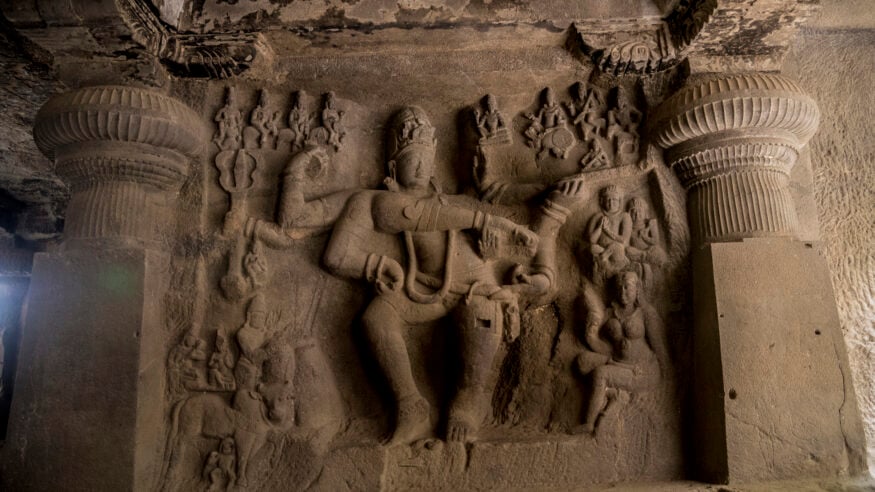
Shaiva traditions are especially prominent around Arudra Darshan (Thiruvathirai), honouring Nataraja. Kapaleeswarar Temple (Mylapore), Marundeeswarar Temple (Thiruvanmiyur), and the historic shrine at Tiruvottiyur draw worshippers for early-morning abhishekam, special alankaram, and Thiruvempavai recitations. The liturgical rhythm reveals how Chennai’s temples preserve classical ritual while remaining deeply connected to community life.
Murugan and Amman shrinessuch as Vadapalani Andavar and Thiruverkadu Karumariammanoften complement Margazhi with themed alankarams, bhajans, and community-led seva. While practices vary by temple, the shared emphasis on inner restraint, compassion, and service aligns with Margazhi’s broader spiritual arc.
Margazhi also coincides with the city’s renowned music season, and some temples host intimate kacheris, devotional singing, and classical dance in their courtyards. When experienced respectfully, these programs illuminate the inseparable links between bhakti, aesthetics, and the public life of Chennai’s temples.
Architecturally, Margazhi offers time and space to study Dravidian gopurams, stucco iconography, inscriptions, and sanctum layouts at an unhurried pace. Observing prakaras, mandapas, and temple tanks while listening to scriptural recitations can deepen appreciation for the ways ritual design supports contemplative practice.
This shared spiritual season resonates across dharmic traditions. The values highlighted in Margazhidevotion, non-violence, self-discipline, service, and community harmonyspeak to common ethical foundations in Hinduism, Buddhism, Jainism, and Sikhism. Visitors from all dharmic paths can approach these spaces as places of reflection, mutual respect, and cultural learning.
A practical route for first-time visitors might trace the coastal arc from Mylapore (Kapaleeswarar, Sri Adi Kesava Perumal) to Besant Nagar (Ashtalakshmi), continue to Thiruvanmiyur (Marundeeswarar), and then explore Triplicane (Sri Parthasarathy). Those interested in the older mercantile quarters can include Kalikambal (George Town) and the northern belt at Tiruvottiyur, allowing a comparative view of ritual styles and urban histories.
Planning considerations include early starts (pre-dawn for recitations), modest attire, patience with festival crowds, and eco-conscious offerings. Listening attentively during parayanam, following temple protocols, and moving mindfully through prakaras ensure that personal experience aligns with the dignity of the setting and the comfort of fellow devotees.
Engaging Chennai’s temples in Margazhi reveals a complete, layered experienceone that unites sacred sound, ritual scholarship, community participation, and heritage architecture. For many, this becomes a recurring annual journey that clarifies practice, strengthens cultural memory, and fosters unity across the wider dharmic family.
Inspired by this post on Hindu Pad.