-
Before Surdas: Periyalvar’s South Indian Bhakti that First Envisioned Child Krishna’s Play

This long-form study maps how Tamil Āḻvar poetry—especially Periyāḻvār’s Tiruppallāṇḍu and Periyāḻvār Tirumoḻi—pioneered an intimate, vernacular devotion to Krishna as a child centuries before Surdas. It explains the theological innovation of blessing the Lord, the poetic craft that domesticates the divine, and the temple-liturgy networks that diffused these moods northward. The analysis situates Periyāḻvār within…
-
Madanikas in Hindu Temples: Sacred Feminine in Stone—Symbolism, History, and Devotional Aesthetics
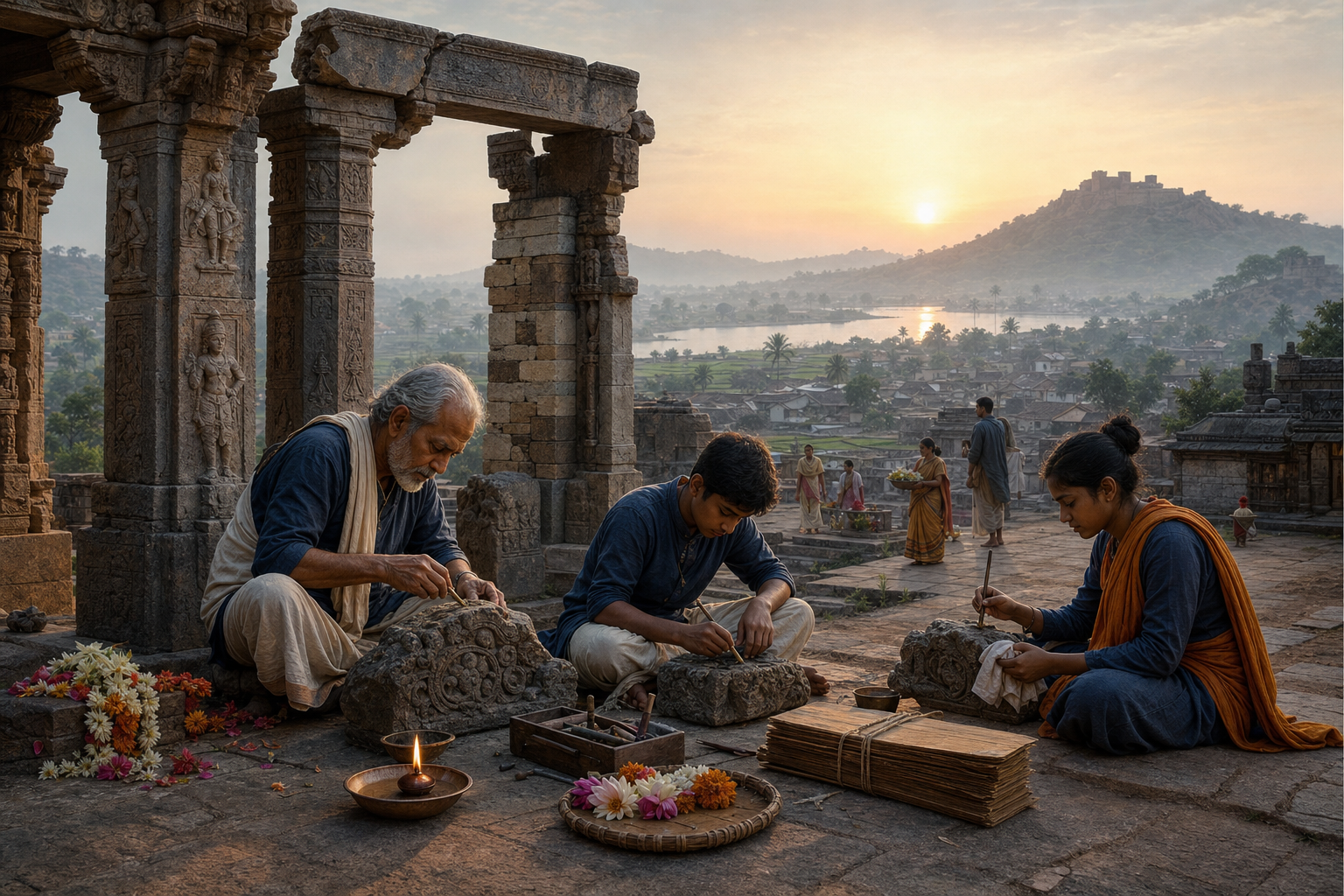
Madanikas—also known as śālabhañjikās—are among the most evocative symbols in Hindu temple architecture, uniting beauty, devotion, and metaphysics. This comprehensive overview traces their origins in early yakṣī imagery at Bharhut and Sanchi, follows their classical flowering in Hoysala temples at Belur, Halebidu, and Somanathapura, and situates related figures at Khajuraho, Konark, and Warangal. It explains…
-
China’s Hidden Hindu Shrines: Maritime Silk Roads, Shared Gods, and a Living Memory

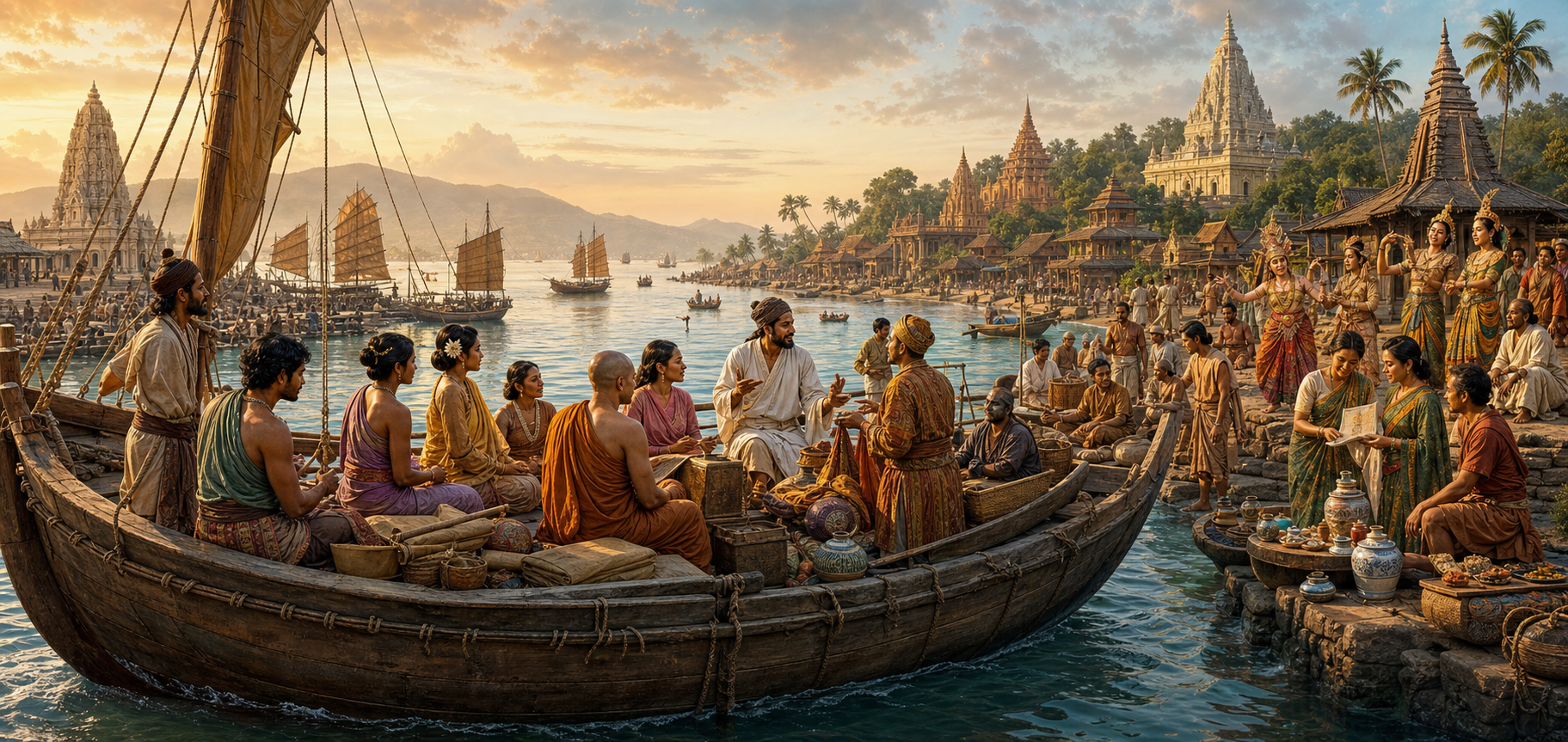
A quiet village shrine in Chedian, Fujian, preserves a living link to Hindu worship in China and opens a window onto the Maritime Silk Road. Archaeological finds in Quanzhou—reused temple columns at Kaiyuan Temple and sculptures in maritime collections—reveal the depth of Hindu presence during the Song–Yuan era. This long-form analysis traces how Indian Ocean…
-
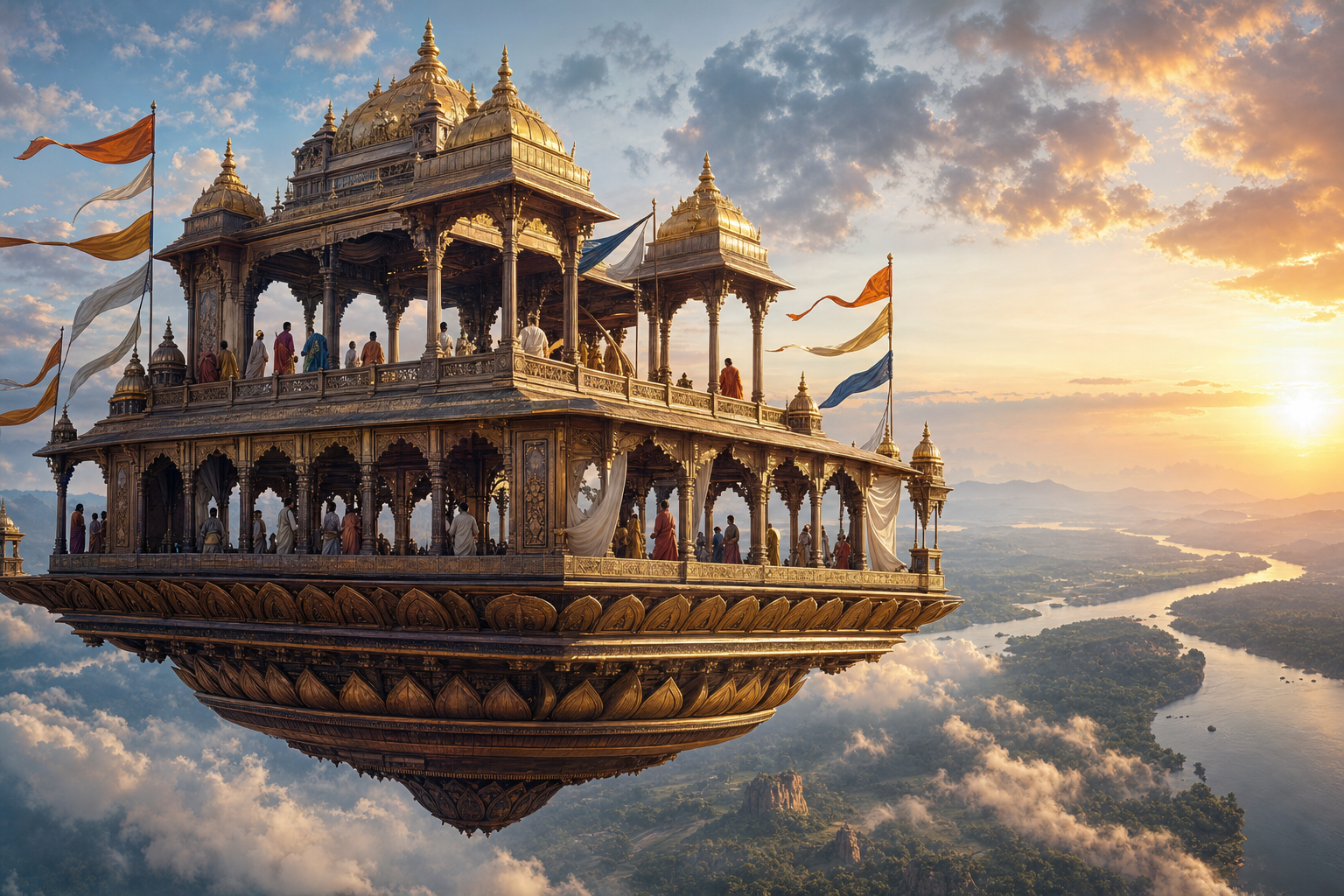
Unveiling Pushpaka Vimana: Adivasi Ass-Drawn Chariot Symbolism and Ramayana’s Living Tapestry

Pushpaka Vimana is widely known from the Ramayana as a self-moving, flower-decked aerial vehicle, yet in central India’s Adivasi traditions it is reimagined as a humble ass-drawn chariot. This long-form analysis explains how that shift is a culturally precise translation rather than a loss of meaning. Drawing on philology, iconography, and cultural anthropology, it shows…
-
Goddess Ganga vs Amphitrite: A Deep Comparative Study of Sacred Waters and Worldviews

This in-depth, academically grounded comparison explores how the Hindu Goddess Ganga and the Greek Amphitrite personify sacred waters in distinct yet resonant ways. It analyzes primary textual traditions, iconography, and ritual practices to show why Ganga functions as a living tirtha and purifying path to moksha, while Amphitrite embodies regal maritime order within the Olympian…
-
Ugra Narasimha of Maddur: Fierce Divinity, Temple History and Arjuna’s Living Legend

Maddur’s ancient Ugra Narasimha Murty in Karnataka presents Vishnu’s half-man, half-lion avatar at the very instant of protecting Prahlada and ending Hiranyakashipu’s tyranny. This in-depth study situates the shrine within regional temple history, explains the murti’s technical iconography through Puranic and Pancharatra lenses, and evaluates the local oral tradition linking Arjuna of the Mahabharata to…
-
Unsung Heroes of the Mahabharata: Bahlika Raja’s Legacy, Dharma, and Living Lessons

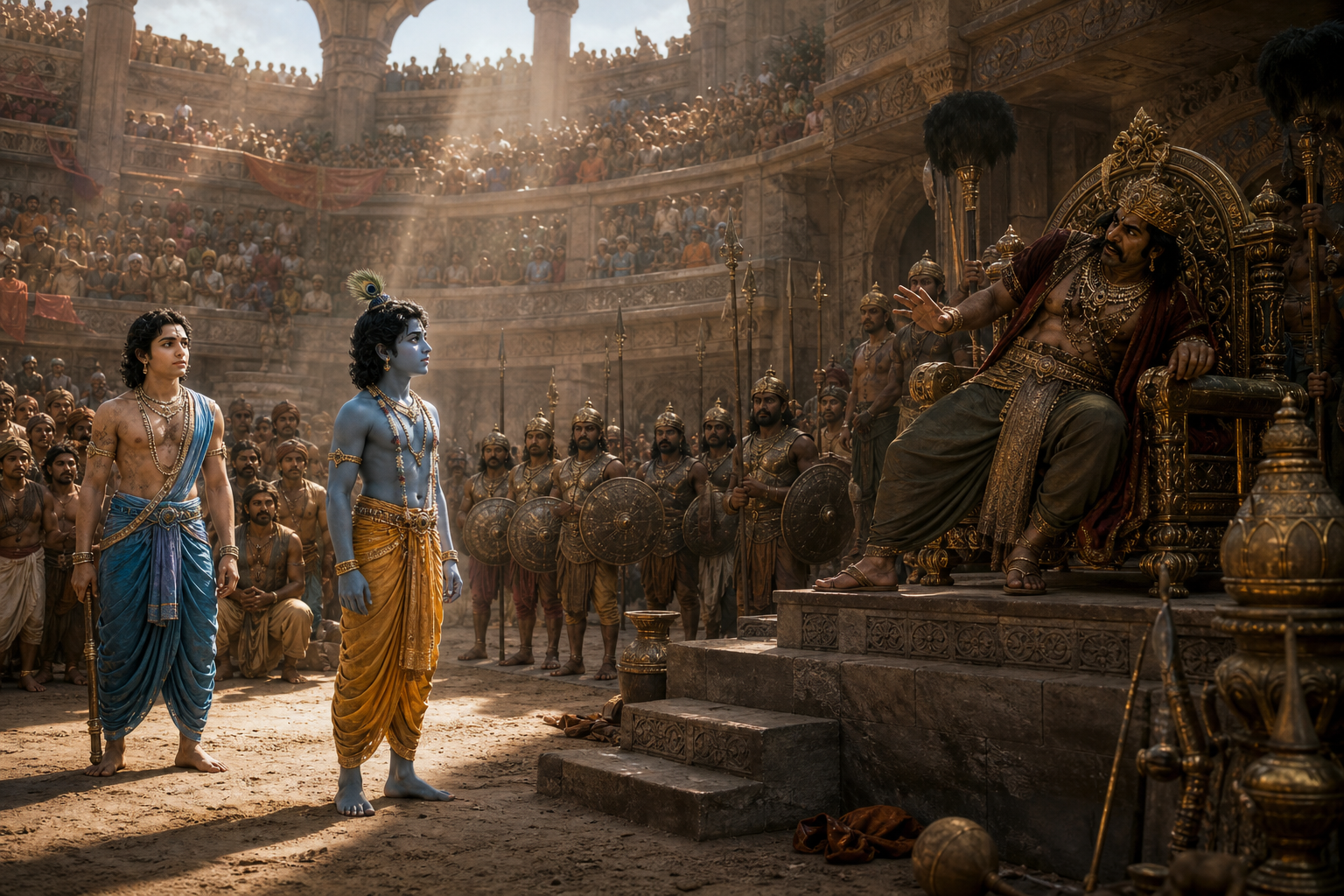
This exploration spotlights Bahlika Raja, a lesser-known yet consequential figure in the Mahabharata. It outlines his lineage, regional associations with Bahlika (Balkh/Bactria), and his role and fall in the Kurukshetra War. The discussion presents the revered belief that he is the next birth of Bhakta Prahalada, highlighting themes of devotion and continuity of merit. Readers…
-
Kashyapa Samhita & Smriti: Unraveling Dharma’s Timeless Blueprint for Ethical Life

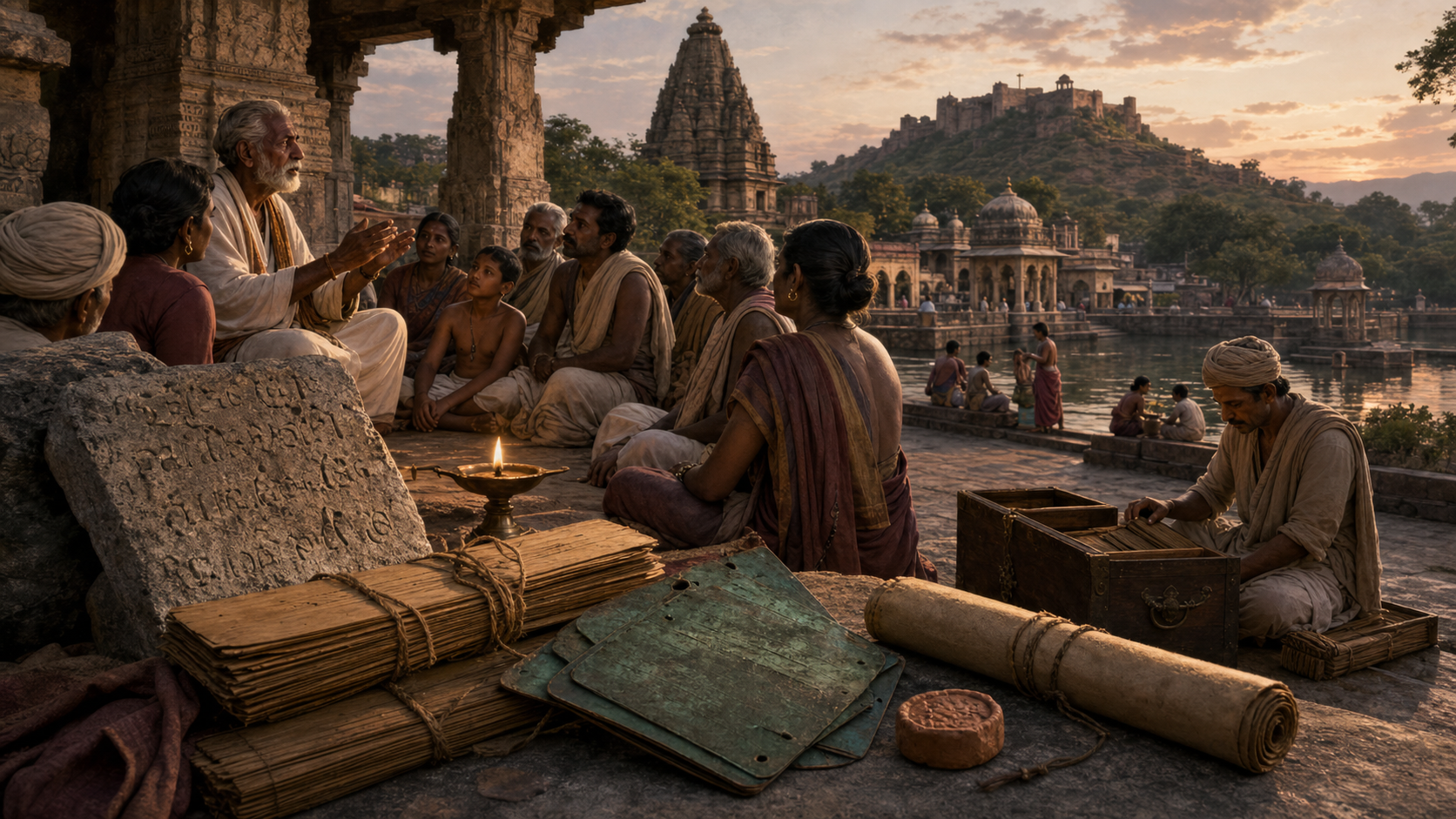
Ancient Indian literature remembers the Kashyapa Samhita and Kashyapa Smriti through later citations, signaling their importance in the Dharmasastra tradition. Though not fully extant, these works likely addressed ritual, ethics, jurisprudence, and social duty, shaping the Hindu legal system and cultural heritage. Readers gain clarity on how dharma was transmitted intertextually—through compendia and commentaries that…
-
Vatapi Ganapati, Tiruchenkâtankudi (Nannilam): Sacred Legend, Tevaram Glory, Living Heritage

Vatapi Ganapati at Tiruchenkâtankudi near Nannilam is a renowned Tevara Shivastalam, celebrated in early Tamil Saivite hymns. Tradition associates the shrine with Sirutondar, linking the Ganesha icon to Vatapi and illuminating how sacred narratives shape cultural memory. The temple’s integrated worship of Shiva as Ganapatishvaram and Ganesha as Vatapi Ganapati exemplifies Tamil Nadu’s living heritage.…
-
Ravana Gita: Timeless Leadership Wisdom from the Ravana–Lakshmana Dialogue in Ramayana

Ravana Gita, the widely known title for Ravana’s final counsel to Lakshmana in the Ramayana, offers clear, actionable lessons on leadership and governance. The dialogue emphasizes timing—acting swiftly on beneficial duties while exercising caution in risky matters—and the ethics of counsel, confidentiality, and honest dissent. It also warns against underestimating adversaries, urging vigilance and strategic…
-
Timeless Foundations of Dharma: Gautama’s Dharmasutra on Law, Ethics, and Daily Life
Gautama’s Dharmasutra is among the earliest and most influential Hindu scriptures on law, ethics, and social order, dated to roughly 600–400 BCE. It systematically codifies duties, rites, legal procedures, and penances, shaping the foundations of the Hindu legal system. Its ethical core—non-violence, truthfulness, generosity, and self-restraint—resonates across Buddhism, Jainism, and Sikhism, reinforcing unity among dharmic…
-
Halayudha’s Genius: The 10th-century Sanskrit lexicographer who shaped Indian letters

Halayudha, the 10th-century Sanskrit scholar and lexicographer, is best known for the Abhidhanaratnamala (Halayudhakosha), a metrical dictionary that shaped classical Indian literature. Composed for memorization and precision, it preserves semantic fields vital to poets, teachers, and students. The work’s linguistic and historical value helps modern readers interpret layered meanings across texts central to Hinduism, Buddhism,…
-
Mahahavis and Chaturmasya: Unveiling the Sacred Cycle of Great Vedic Offerings

Mahahavis, the “great offering,” takes center stage within the Chaturmasya cycle of Vedic rituals, which comprises Vaishvadeva, Varuna-praghasa, and Sakamedha at four-month intervals. Set in the Shrauta tradition of ancient India, this sequence affirms reciprocity, ecological care, and cosmic order through ishti-type sacrifices. The concluding role of Sakamedha highlights the integrative purpose of the cycle,…
-
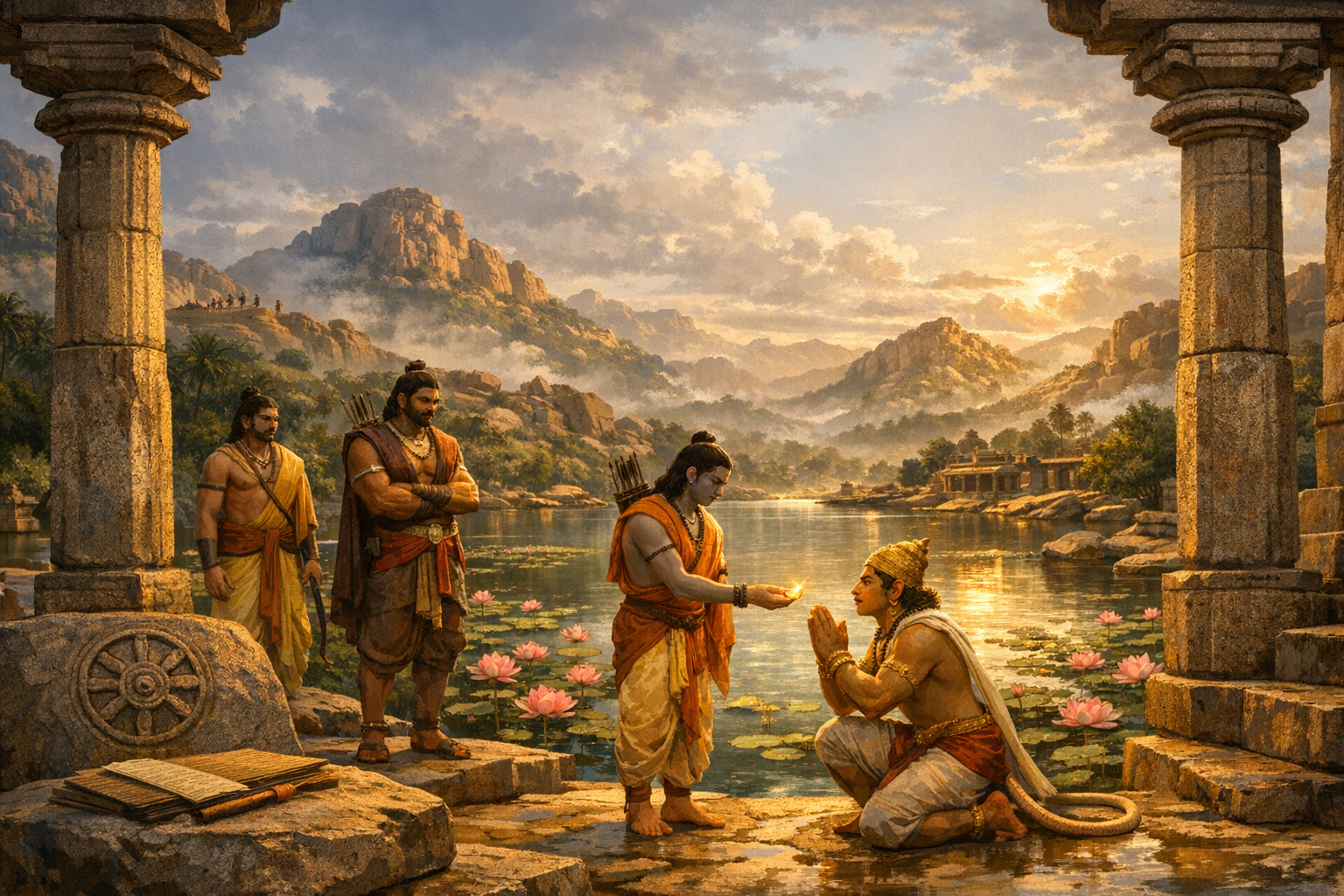
Ramayana’s Defining Episodes: Dharma, Devotion, and the Journey Uniting Dharmic Traditions

This structured overview of the Valmiki Ramayana highlights the epic’s defining episodes—from Ahalya’s redemption and Sita’s swayamvara to the exile, Sundara Kanda, and the battle of Lanka—explaining how each advances dharma, devotion, and ethical leadership. Readers gain a clear framework for understanding the narrative arc and its moral significance. The account emphasizes unity across dharmic…
-
Kantakashodhana in Ancient India: Timeless Strategies to Uproot Social ‘Thorns’ with Dharma

‘Kantaka Shodhana’—the “removal of thorns”—in Kautilya’s Arthasastra is a classic model of ethical Statecraft from Ancient India. It frames law and order within Dharma, emphasizing proportionate justice, due process, and social harmony. Rather than glorifying punishment, it prioritizes public safety, economic fairness, and institutional trust. The doctrine aligns with shared values across Hinduism, Buddhism, Jainism,…
-
Makara and the Deep: Ancient India’s Powerful Memory of Gigantic Ocean Beings

This article explores how the Makara embodies Ancient India’s enduring memory of gigantic ocean beings across Hindu, Buddhist, and Jain traditions. It explains the Makara’s roles in temple architecture and sacred symbolism—vahana of Ganga and Varuna, emblem of thresholds, and guardian of liminal spaces. Readers gain context from Puranic and epic narratives, including Samudra Manthan…
-
Power and Tapas in Kalidasa: Tagore on Raghuvamsha and Kumarasambhava’s Lesson

Rabindranath Tagore’s reading of Kalidasa reveals a profound dialogue in Sanskrit literature between worldly power and inner discipline. Raghuvamsha maps the ascent born of tapas and the decline that follows indulgence, using dawn-and-dusk imagery to frame a moral architecture. Kumarasambhava then proposes the remedy: harmonize renunciation and enjoyment so that strength is born from balance.…
-
Discover the 68 Swayambhulingas: Self-Manifested Shiva Forms and Bharat’s Sacred Geography

This article explores the 68 Swayambhulingas as self-manifested forms of Lord Shiva that shape the sacred geography of ancient Bharat. It clarifies the meanings of Swayambhu and linga, emphasizing the linga as a cosmic symbol of formless consciousness. Readers gain historical and cultural context for these sites within India’s interconnected temple landscapes. The piece highlights…
-
Kalidasa and His Age: Nature, Dharma, and the Rise of Heroism in Sanskrit Poetry

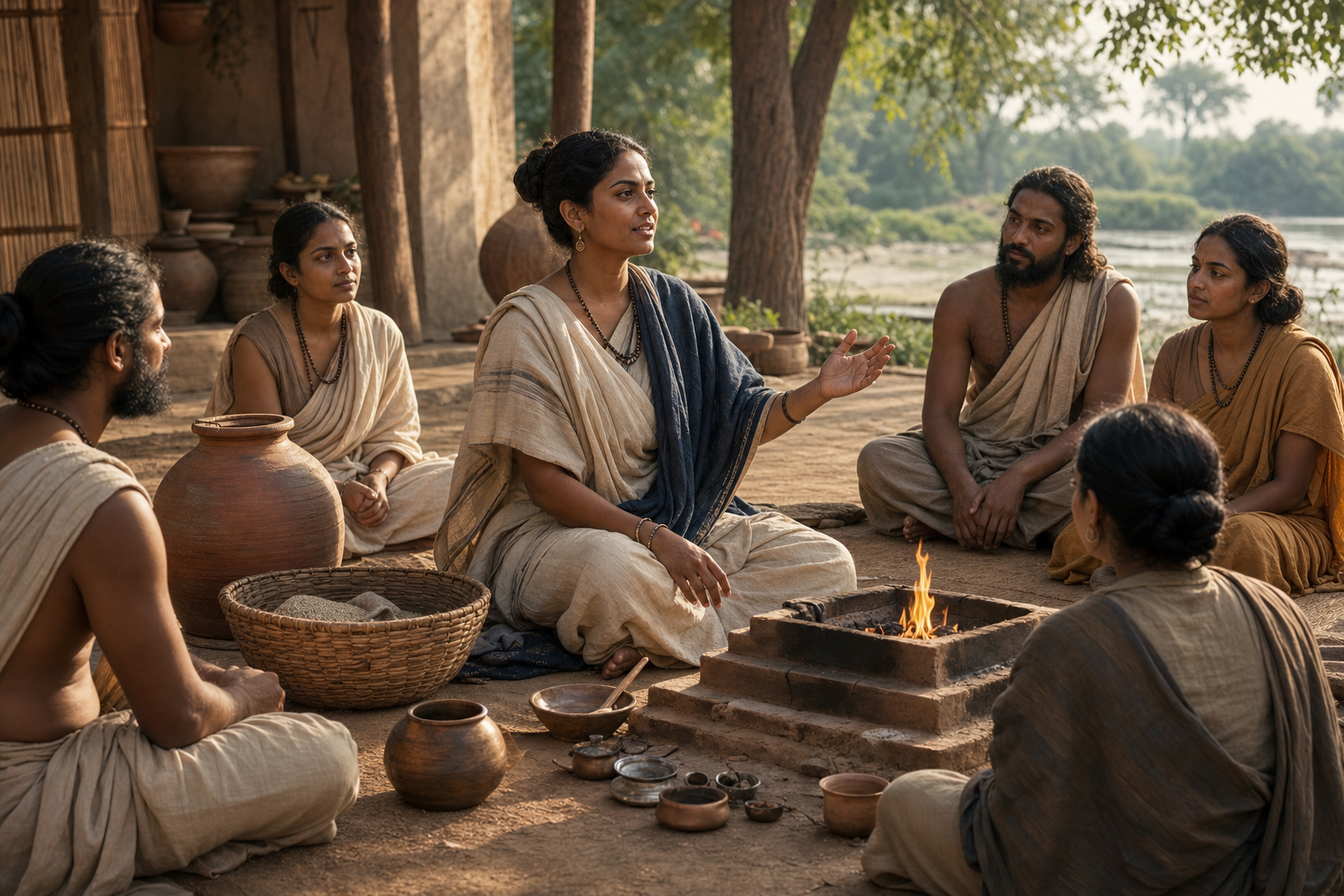
Kalidasa’s poetry unites human emotion with the grandeur of Nature and the ethical clarity of dharma, making him a representative voice of his age. Vivid images—echoing the hermitage in Kadambari—depict a civilization where people, plants, and animals share ritual, learning, and care. Ritusamhara shows early passion harmonized by seasons, while Kumara-sambhava reframes desire through a…