-
Discover the Timeless Pillars of Hinduism: Temples, Saints, and Living Pluralism

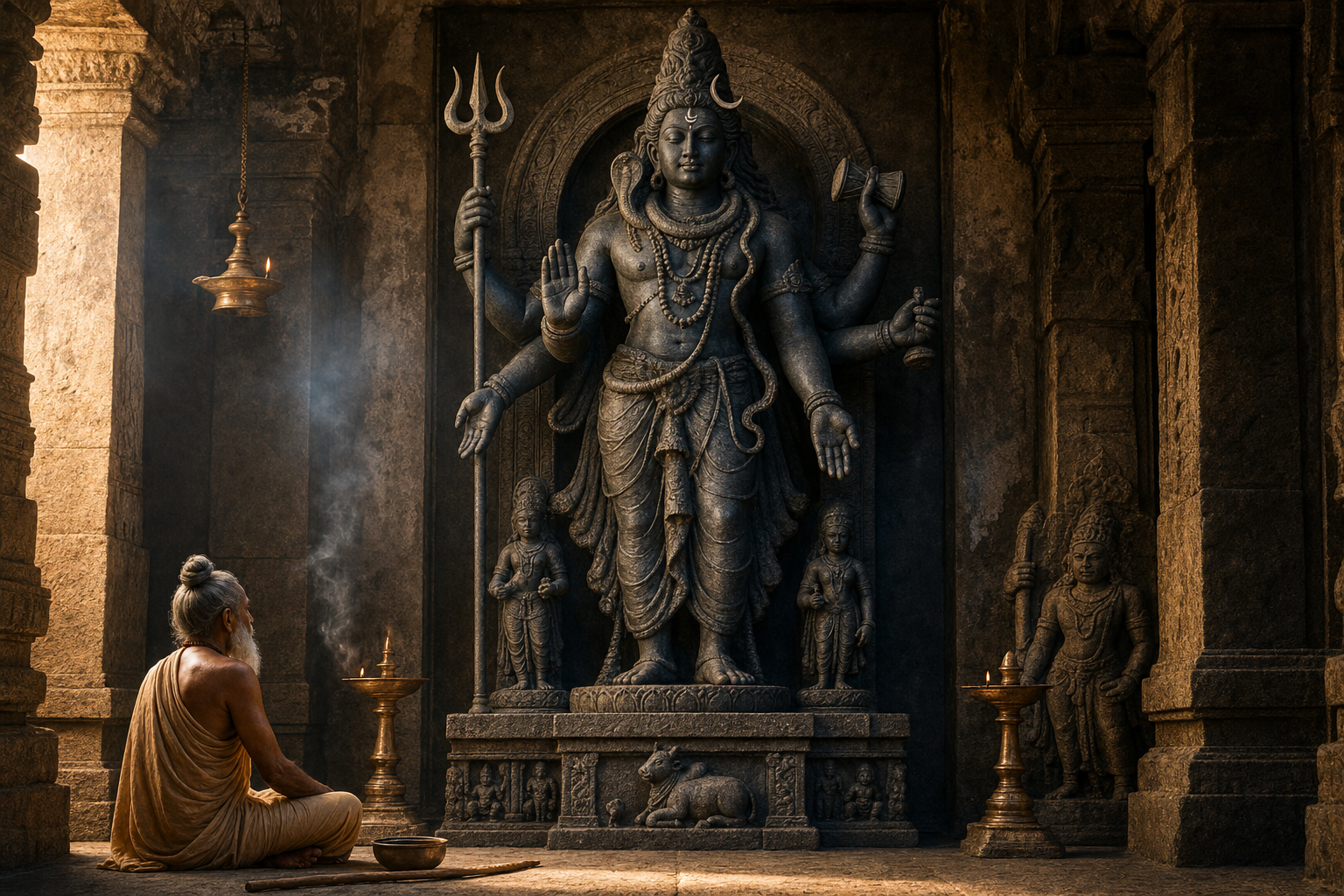
Hinduism’s enduring features include a global network of Hindu temples, a lineage of rishis and saints, and historic royal patronage that nurtured sacred architecture and social welfare. Its core principles—dharma, karma, ahimsa, and moksha—support multiple valid paths such as Bhakti, Jnana, Karma, and Yoga. This religious pluralism aligns naturally with the broader dharmic family of…
-
Sanghamitra’s Sacred Mission: How Ashoka’s Daughter Forged India–Sri Lanka Buddhist Ties

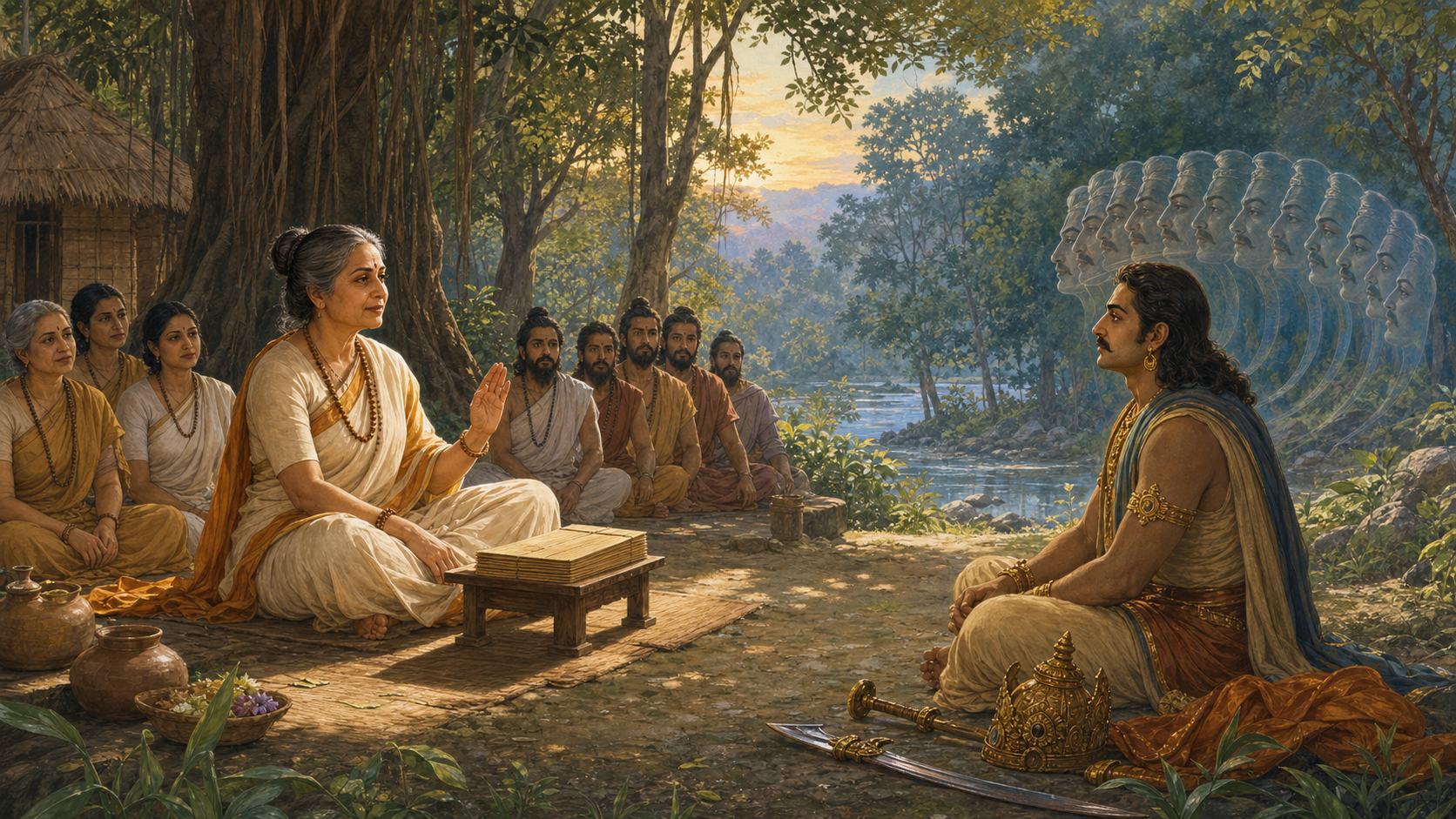
Sanghamitra, the daughter of Emperor Ashoka, exemplifies the dharmic spirit of Ancient India through her pivotal role in bringing Buddhism to Sri Lanka. Alongside her brother Mahinda, she embodied a culture of learning and compassion that connected Hindu and Buddhist traditions within a shared ethical framework. Historical traditions credit her with establishing the Bhikkhuni order…
-
Bhasa’s Bold Reimagining of Sita’s Abduction in Pratima Natakam: Ethics, Dharma, Drama

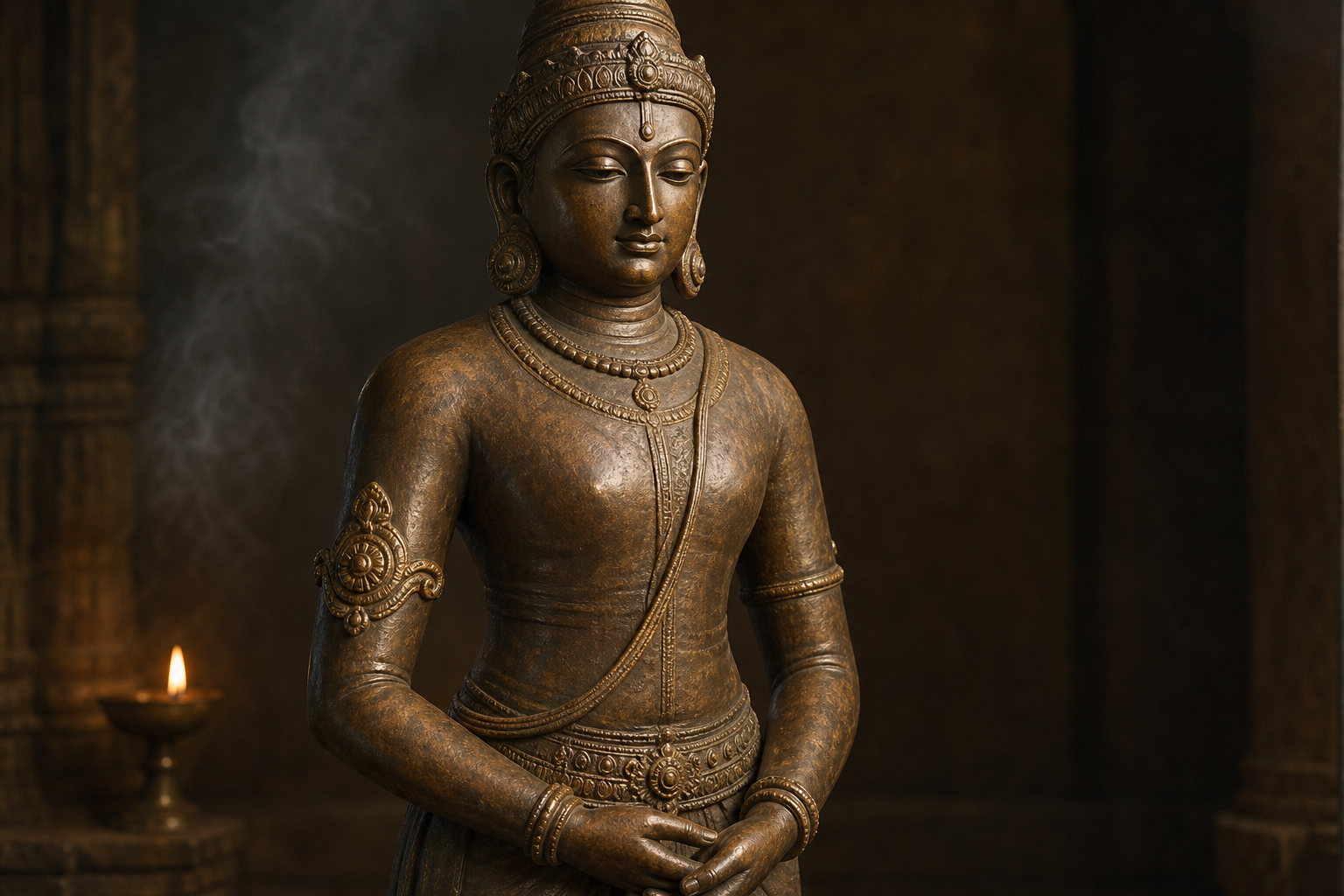
Bhasa’s Pratima Natakam (Pratimanatakam) presents Sita’s abduction not as onstage spectacle but as a reflective, ethically charged episode grounded in classical Sanskrit dramaturgy. By channeling the event through memory, messenger-reports, and the symbolic power of the pratima (statue), the play emphasizes dharma, agency, and the psychology of crisis over physical action. This approach foregrounds rasa—especially…
-
Dashavatara Decoded: Ancient India’s Hidden Scientific Genius and Dharmic Unity

The Dashavatara offers a sophisticated, non-sectarian framework for thinking about evolution, consciousness, and cosmic order in a way that resonates across Hinduism, Buddhism, Jainism, and Sikhism. Interpreted academically, the avatars serve as pedagogical metaphors for ecological insight, ethical formation, and inner refinement. This approach avoids anachronism while honoring ancient India’s scientific wisdom expressed through symbols.…
-
Ancient Hinduism on Conversion: Inclusive Paths, Organic Belonging, and Dharmic Unity

Ancient Hindu society did not rely on a single, formal rite of conversion. Instead, belonging developed organically through practice, ethics, and community participation. Outsiders who resonated with Hindu thought were welcomed via temples, festivals, and guilds, reflecting a civilizational commitment to religious pluralism. Textual references such as Vratya-stoma and Mlēccita-śuddhih emphasize social restoration rather than…
-
Prithu Chakravarthi’s Legacy: How a Dharma-Raja Gave Earth Her Sacred Name, Prithvi

The name Prithvi for Earth is rooted in the Puranic account of Prithu Chakravarthi, a dharma-raja who restored balance between society and nature. Bhishma’s inquiry to Sage Pulastya introduces the genealogy from Swayambhuva Manu through Anga and Sunitha to Vena and Prithu. After reconciling with Earth—who had assumed a cow’s form—Prithu renewed agriculture and prosperity,…
-
Thousand Pillar Temple, Hanamkonda: Kakatiya-era Rudreshwara Trikutalaya and Living Heritage

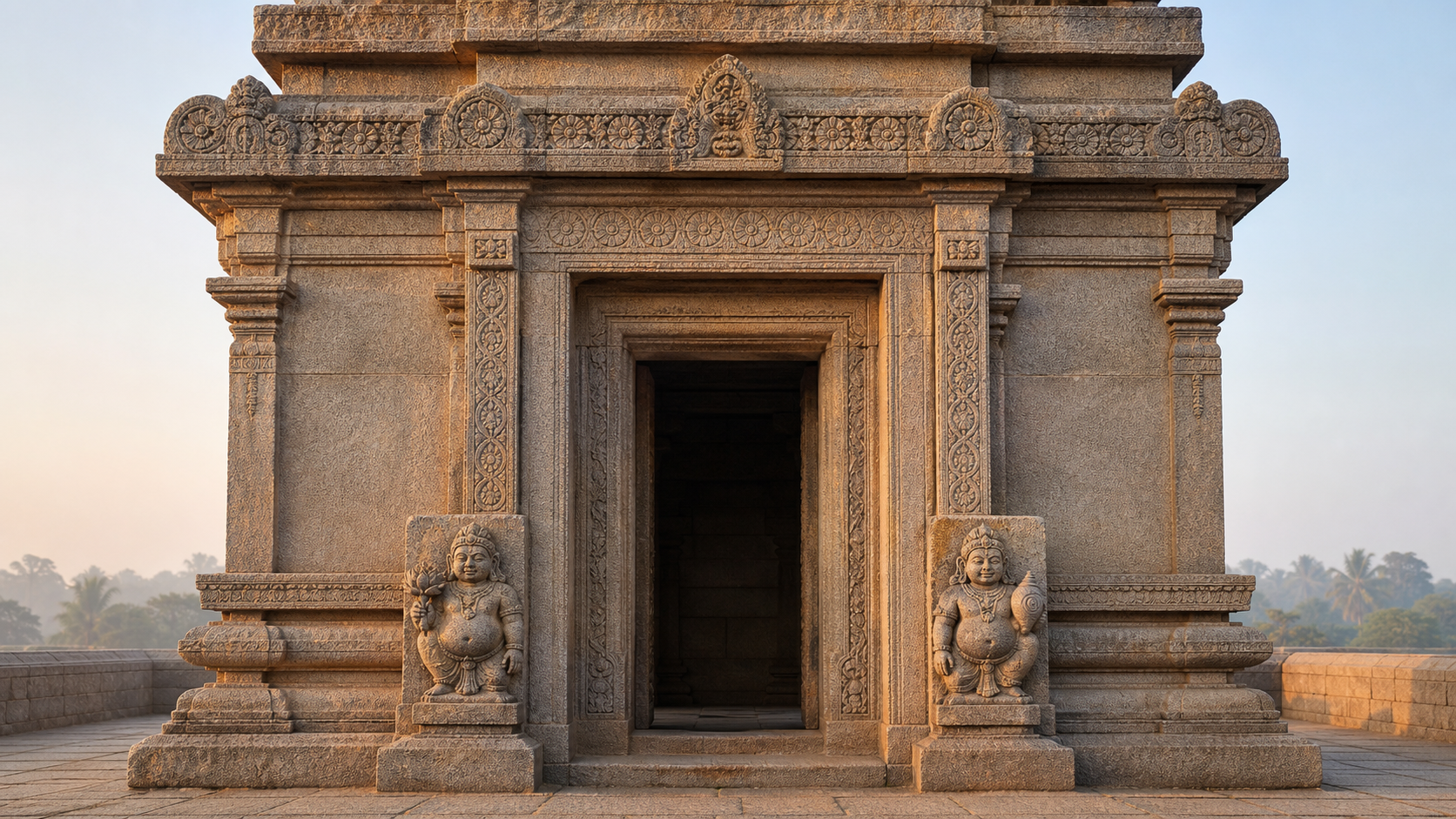
The Thousand Pillar Temple in Hanamkonda (Rudreshwara Swamy Temple) is a Kakatiya-era Trikutalaya dedicated to Shiva, Vishnu, and Surya. Its renowned field of carved pillars and refined ornamentation embody the technical mastery and aesthetic poise of medieval Telangana. Visitors frequently note a contemplative atmosphere shaped by light, stone, and ritual continuity. The triadic sanctum plan…
-
Parmanu in Vaisheshika: Ancient Hindu Atomism that Anticipated Modern Science

Long before modern physics, Vaisheshika articulated Parmanu—the indivisible, eternal unit of matter—through disciplined reasoning and careful inference. This ancient Hindu atomism explains how dyads and triads of atoms form perceptible objects, governed by motion, qualities, and inherence. Framed within the padārthas, it offers a precise account of causation and identity across change. The theory resonates…
-
Kopavana in Ancient Hindu Palaces: Symbolism, Architecture, and Queens’ Dignified Dissent

Kopavana—often discussed alongside the kopa-bhavana or “chamber of anger”—emerges in ancient Indian courtly culture as a refined system for turning anger into dialogue. This article clarifies terminology, situates the practice in the Ramayana, and traces architectural cues that staged a journey from tension to reconciliation. It explains how queens exercised agency through ritualized withdrawal, prompting…
-
Kangra to Baku: The Sacred Fire Connection and India’s Maritime Legacy Reignited

This essay revisits six millennia of Indian maritime and cultural exchange to illuminate a remarkable sacred link between the Jwalamukhi temple in Kangra and the eighteenth-century Jvalaji—today’s Ateshgah—in Baku. Drawing on classic works by R. C. Majumdar and Moti Chandra, it situates the Baku shrine within wider trade routes connecting India to Central Asia. Inscriptions…
-
Bhuktivada and Rasa: Bhatta Nayaka’s Revolutionary Insight into Indian Aesthetics

Bhuktivada, articulated by Bhatta Nayaka, explains rasa as an alaukika enjoyment (bhukti) rather than a product to be caused or a conclusion to be inferred. It reframes earlier debates by introducing bhāvakatva (art’s power to universalize emotion), bhojakatva (the audience’s receptivity), and sādhāraṇīkaraṇa (shared, de-individualized feeling). Placed between Anandavardhana and Abhinavagupta, this theory anchors the…
-
Discover Kartavirya Arjuna: The Complete Guide to Sahasrabahu’s Boons, Valor, and Legacy

Karthaveerya Arjuna—also known as Sahasrabahu Arjuna—emerges in Ancient Hindu Texts as a Haihaya king whose thousand-armed prowess, granted by Dattatreya, symbolized both power and responsibility. His storied feats, including subduing the Narmada and capturing Ravana, illustrate the heights of kshatra while inviting reflection on ethical governance. Puranic narratives also chart a cautionary turn through his…
-
Discover Parashurama’s Proven Revolution: How Dharma Transformed Kingship and Society

Sri Parashurama’s narrative illustrates how Dharma disciplines power and protects society in Ancient India. Readers gain a clear, academic understanding of why sages traditionally guided rulers and how that counsel maintained justice and public welfare. The account highlights a Righteous War framed by restraint and responsibility, not conquest. Its ethical core aligns with shared values…
-
Essential Guide to Śrīmad Bhāgavatam 3.21.25: Discover Manu’s Rule and Sacred Geography

Śrīmad Bhāgavatam 3.21.25 presents Svāyambhuva Manu as an exemplar of righteous leadership grounded in dharma. The verse’s reference to Brahmāvarta and its association with Kurukṣetra illuminate how sacred geography encodes ethical memory in Hindu scriptures. Read in context, the imagery of ruling over the earth “with its seven oceans” signals cosmic completeness and responsible stewardship.…
-
Discover Ananthagiri Temple: Complete Guide to Ananta Padmanabha Swamy and Its History

Ananthagiri Temple (Ananta Padmanabha Swamy Temple) in Vikarabad, Telangana, is regarded as one of the region’s ancient temples dedicated to Lord Vishnu. Traditional narratives in the Skanda Purana attribute its consecration to Rishi Markandeya during the Dwapara Yuga, a lineage that shapes its living heritage. The temple’s tranquil setting and measured rituals foster contemplation, making…
-
Discover Sarabha of the Ramayana: The Ultimate Vanara Commander and Dharma Warrior

Vanara Sarabha emerges in the Ramayana as a fearless commander who embodied disciplined courage in service of Lord Rama. Associated with Salveya Mountain, he represents the ethical leadership that sustains dharma-yuddha beyond individual heroism. Though textual traditions vary in detail, Sarabha’s role underscores the epic’s reliance on a coordinated, principled army led by capable vanara…
-
Essential Guide: Discover Sanskrit’s Proven Pathways into English via Greek, Latin, Persian

This concise overview traces how Sanskrit-based words entered English directly or via Greek, Latin, Persian, and Arabic, revealing a shared Indo-European and Afro-Eurasian heritage. Readers discover representative examples—pepper, ginger, sandalwood, sugar, candy, orange, camphor, lac, avatar, yoga, karma, mantra, guru, and more. The discussion situates Voltaire’s remarks within a modern, evidence-based perspective on comparative linguistics.…