On Sunday, January 4, 2026, the Panchang (Hindu Calendar) notes Krishna Paksha Pratipada as the prevailing tithi in most regions until 2:08 PM. From 2:08 PM onward, the day transitions to Krishna Paksha Dwitiya. These timings help align daily activities with the lunar rhythm traditionally observed across the Dharmic traditions.
Krishna Paksha Pratipada marks the first day of the waning (dark) fortnight. In classical understanding, this phase supports inward focus, gentle beginnings, review of commitments, and quiet study. Many households find that approaching Pratipada with moderationsuch as decluttering spaces, refining routines, or resuming regular sadhanahelps set a contemplative tone for the fortnight.
After 2:08 PM, Krishna Paksha Dwitiya emphasizes steadiness and balanced progress. The second tithi often suits planning, methodical work, and cooperative efforts, provided they are undertaken with clarity and restraint. Practitioners frequently report that small, consistent steps taken during Dwitiya feel sustainable and mentally calming.
Nakshatra and Rashi details for this date were not specified in the source and can vary based on location, panchang tradition, and calculation methods. Because Nakshatra and Rashi inform ritual nuance and personal observances, verification through a regional Panchang, temple notice, or traditional astrologer is recommended.
Shubh Muhurat windows, likewise, are best confirmed locally. Many traditions consider universally referenced periods such as Abhijit Muhurat where applicable and avoid known inauspicious windows like Rahu Kalam, though exact spans depend on the local sunrise and regional conventions. Aligning significant undertakings with locally confirmed muhurat enhances confidence and continuity with community practice.
Across Hinduism, Buddhism, Jainism, and Sikhism, the shared awareness of lunar stages offers a unifying cadence for reflection and service. Meditative practices, acts of dana or seva, mindful speech, and scriptural study are common ways communities harmonize personal conduct with the fortnight’s contemplative ethos, strengthening interfaith kinship within the broader Dharmic family.
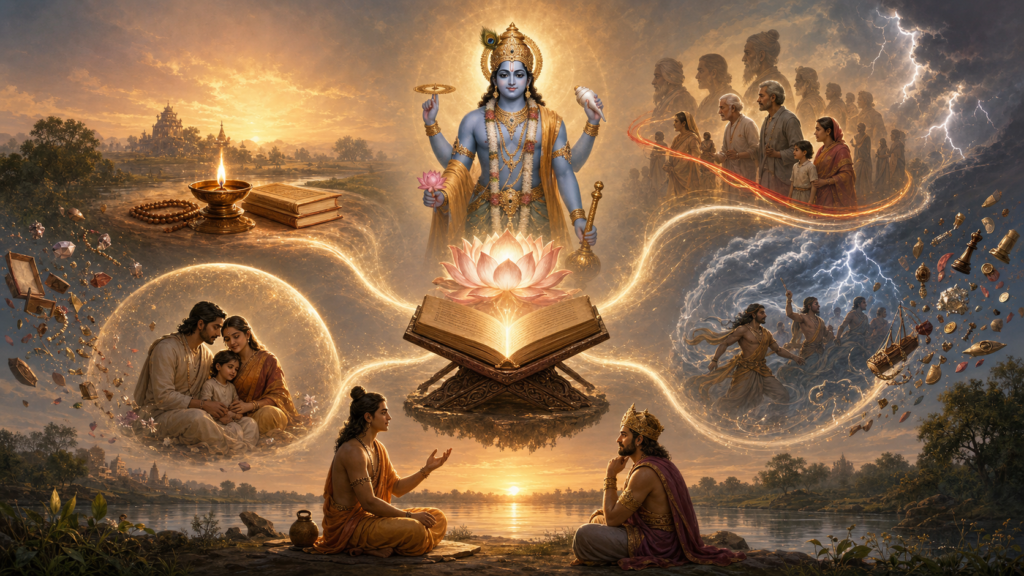
In many homes, the evening of a Krishna Paksha day is quietly marked with a diya at dusk, brief japa, or reading from texts such as the Bhagavad Gita. Comparable practices in related traditionssuch as samayik in Jainism, metta meditation in Buddhism, or reflective Gurbani paath in Sikhismembody the same spirit of inner clarity and compassion, reinforcing unity in diversity.
Regional calendars may differ due to longitude, time zone, and local traditions. When planning travel, ceremonies, or vratas, it is prudent to confirm tithi end times and any relevant muhurat with a local almanac. This careful approach preserves accuracy while honoring the living continuity of the Panchang in daily life.
Inspired by this post on Hindu Blog.