February 14, 2026 (Saturday) in the Hindu calendar marks Krishna Paksha Dwadashithe twelfth tithi of the waning lunar phasein most regions. According to the Panchang, Krishna Paksha Dwadashi prevails until 3:10 PM (local time) on February 14, after which the tithi transitions to Krishna Paksha Trayodashi, the thirteenth day of the dark fortnight.
Within the Hindu calendar and Panchang tradition, the waning moon (Krishna Paksha) is often associated with introspection, simplicity, and steady spiritual practice. Many families across dharmic communities find that aligning daily routines with the tithi fosters calm focus, whether for quiet japa, scriptural reading, or mindful seva. Such shared rhythms encourage unity in spirit and respect for diverse practices across Hinduism, Buddhism, Jainism, and Sikhism.
Dwadashi carries particular relevance because it follows Ekadashi; many traditions observe parana (fast-breaking) and acts of dana (charity) on Dwadashi. As the day progresses, planning reflective activities during Dwadashi hours and household tasks later in the day is a practical way to honor both the tithi’s contemplative tone and everyday responsibilities.
After 3:10 PM, the Panchang indicates the onset of Krishna Paksha Trayodashi. In the broader calendar, Trayodashi is traditionally linked with observances such as Pradosh Vrat when the timing aligns with evening twilight; exact observance varies by region and should be confirmed locally. Scheduling puja or meditation in harmony with the tithi change can be supportive, especially for those who prefer to align intentionsgratitude, cleansing, or learningwith the characteristic energy of each tithi.
Readers seeking “good time” windows (shubh muhurat), along with Nakshatra and Rashi details, should consult a regional Panchang or trusted almanac for location-specific accuracy, as these elements can vary by geography and calculation system. When Nakshatra and Rashi data are reviewed alongside the tithi, decisions around new beginnings, travel, or study can be calibrated with greater precision.
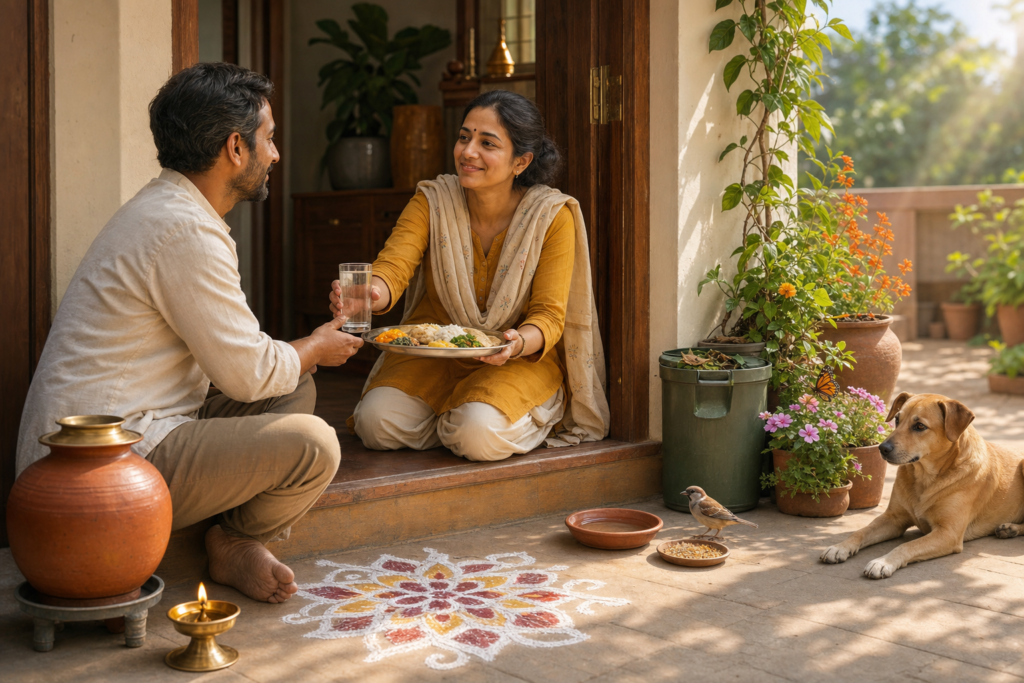
Across households, practitioners often share that mindful alignment with the tithi brings a sense of order and emotional ease. Morning hours during Dwadashi may be used for simple worship and study, while post-3:10 PM activities under Trayodashi can pivot to planning, light decluttering, or quiet family time. Such balanced use of the day respects both the spiritual cadence and the practical flow of life.
Because Panchang elementsTithi, Nakshatra, and Rashican differ slightly by locale and method of computation, verifying the timing against a local calendar (or temple board notice) is recommended. This ensures that community observances, personal vows, and family customs reflect the most accurate and unifying practice for the day.
Inspired by this post on Hindu Blog.