Across Hindu households and temples, Goddess Lakshmi is invoked side by side with Lord Ganesha for Diwali, Lakshmi Puja, new ventures, and housewarmings. This enduring practice, visible from Maharashtra’s Laxmi Pujan and Gujarat’s Chopda Pujan to Bengal’s Kojagari Lakshmi Puja, encodes a precise spiritual and ethical claim: prosperity (Lakshmi) flourishes and endures only when guided by wisdom and freed from obstacles (Ganesha).
Within Hindu philosophy, the pairing harmonizes artha (material prosperity) with dharma (ethical order). Ganesha presides over buddhi (discriminating intelligence) and is vighnaharta (remover of impediments), while Lakshmi embodies sriauspiciousness, abundance, and well-being. Worshipping them together articulates a balanced sadhana in which wealth is pursued, safeguarded, and shared under the discipline of wisdom.
Textual foundations are rooted in Vedic and Puranic sources. The Rigvedic Sri Sukta venerates Lakshmi as the radiant, sustaining principle of wealth and fertility, while the Ganapati Atharvashirsha from the Atharva tradition extols Ganesha as the source of categories (tattvas) and the first to be worshipped. Puranic and Smarta paddhatis reinforce a liturgical rule: no major puja proceeds without Vinayaka’s avahana, so Lakshmi Puja itself conventionally begins with Ganesha.
In domestic and temple liturgy, the sequence typically follows sankalpa, Vinayaka Puja, kalasha sthapana, Lakshmi avahana with Sri Sukta recitation, and arati. Even in the concise Panchopachara five offeringsgandha, pushpa, dhupa, dipa, naivedyadevotees first offer durva grass and modaka to Ganesha and then lotus, kumkum, and a clarified-butter lamp to Lakshmi. In extended Shodashopachara, both deities receive the full cycle of offerings, symbolizing the inseparability of right means and right ends.
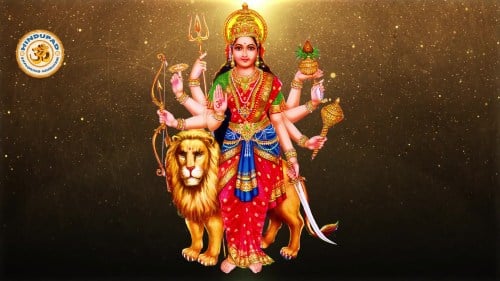
Iconography further clarifies the complementarity. Lakshmi appears upon a lotus, with elephants anointing her in the Gaja-Lakshmi motif, signifying inexhaustible auspicious flow. Ganesha’s elephant head echoes this motif while his mouse vahana and modaka signal mastery over impulses and the sweetness of contentment. The owl associated with Lakshmi cautions that unillumined wealth can wander blindly; Ganesha’s buddhi aligns that wealth toward dharmic goals.
Domestic shrines and modern prints often present a beloved triadSaraswati, Lakshmi, and Ganeshaintegrating vidya (knowledge), artha (wealth), and the wise beginning of all endeavors. The triad is not a rigid canon but a widely cherished visual theology that mirrors the injunction to pursue prosperity informed by learning and guarded by discernment.
Regional narratives transmit the social memory of this companionship. In several folk traditions, Lakshmi seeks a brother for ritual exchange; Ganesha accepts the role, and households therefore honor them together on Diwali as siblings, praying for prosperity that is also protected. In Bengal, Lakshmi appears with Ganesha as part of the Durga family tableau, further naturalizing the association in household worship.
Hindu texts and almanac lore also name Alakshmithe shadow of misfortune and discord that trails wealth unmoored from ethics. Cleanliness, lamp-lighting, and sattvic conduct are prescribed to invite Lakshmi and disinvite Alakshmi. Ganesha’s presence is understood to remove the vighnas through which Alakshmi manifestscarelessness, arrogance, conflictso that resources can nourish rather than corrode the household.
Philosophically, the joint worship advances a layered ethic: artha is necessary for the grihastha (householder) stage but must be regulated by dharma to serve kama (well-being) without obstructing moksha (liberation). Ganesha personifies viveka (discrimination) and niyama (discipline) that steady artha; Lakshmi personifies the grace through which artha becomes shribeauty, order, generosity, and social flourishing.
Tantric and yogic readings add technical depth. Ganesha is traditionally linked with the muladhara chakra, the foundational stability without which higher energies cannot ascend. Lakshmi, as the flowing shakti of sustenance and increase, matures only when the base is secure and ethically aligned. In Sri Vidya, the Sri Chakra encodes layers of prosperity and power that must be navigated with mantra, nyasa, and right intention; the wisdom of Ganapati ensures that access to Lakshmi’s circuits remains safe and sattvic.
Classical compendia enrich this picture. The Mudgala Purana describes eight forms of Ganapati, each dissolving a specific class of obstacles, while the Ashta Lakshmi tradition celebrates eight modalities of abundancefrom Adi Lakshmi (primordial support) to Dhana Lakshmi (wealth) and Dhanya Lakshmi (grain). Read together, these matrices suggest that every stream of prosperity has a corresponding form of wisdom required to steward it.
The ritual grammar of commerce reflects this synthesis. In Gujarat and Maharashtra, Chopda Pujan and Laxmi Pujan consecrate new ledgers, with traders inscribing auspicious marks such as the swastika, shubh, and labh and invoking Lakshmi-Ganesha before the first entry. The practice frames accounting not merely as record-keeping but as an ethical vow of transparency, restraint, and generosity.
Calendar diversity across regions converges on the same principle. Diwali’s Kartika Amavasya foregrounds Lakshmi-Ganesha in much of North and Western India; Bengal’s Kojagari Purnima centers Lakshmi with Ganesha earlier in the autumn; South India’s Varalakshmi Vrata begins with Vinayaka Puja and often includes a lamp for Dhana Lakshmi. The liturgical variance underscores Hinduism’s acceptance of multiple valid pathways to the same insight.
Common mantras crystallize the aim: Om Gam Ganapataye Namah is offered to steady beginnings and dismantle impediments; Om Shreem Mahalakshmyai Namah invites auspicious prosperity. The recitation of Sri Sukta during Lakshmi Puja and verses from the Ganapati Atharvashirsha during Vinayaka Puja align the ritual mind with the Vedic imagination of wealth and wisdom.
Many households recount formative memories that illustrate the pedagogy embedded in the rite: children learning to arrange the diya before Lakshmi, to place durva before Ganesha, to share prasad first with neighbors and staff, and to write the first rupee of the year into a ledger with a vow of dana. Such recollections become ethics in action, carrying values across generations through affection and example.
An ethics-of-wealth distilled from this pairing includes disciplined earning, truthful accounting, mindful consumption, and timely sharing. The tradition encourages allocating a portion of income to dana, avoiding exploitative trade, honoring contracts, and maintaining calm detachment amid market volatility, so that Lakshmi rests where Ganesha’s buddhi prevails.
Contemporary psychology can read the rite as a stabilizing frame for decision-making under uncertainty. Beginning with Ganesha reduces cognitive noise and performance anxiety; invoking Lakshmi focuses the mind on constructive goals rather than acquisitive impulse. Together, they prime a state in which prudence and aspiration cooperate.
This ethic resonates across Dharmic traditions. Buddhism prizes dāna and sammā-ājīva (right livelihood) as conditions for inner clarity; Jainism uplifts aparigraha (non-possessiveness) and ahimsa in commerce; Sikh teachings of kirat karo (earn through honest work), vand chhako (share), and naam japo (remember) echo the same triad of wisdom, prosperity, and devotion. The joint worship of Lakshmi and Ganesha thus symbolizes a shared civilizational vision: prosperity guided by conscience.
Several misconceptions deserve clarification. The joint worship is not a narrow sectarian innovation but a pan-Indian practice visible in Vaishnava, Shaiva, Shakta, and Smarta settings. Nor does it reduce spirituality to materialism; rather, it places material life under the governance of dharma, locating prosperity as a means toward social good and inner freedom.
A simple home observance may include a clean altar, a kalasha, images or murtis of Lakshmi and Ganesha, flowers, incense, a lamp, and modest naivedya. After sankalpa, one may perform Vinayaka Puja, recite the Sri Sukta, offer the Panchopachara five offerings to both deities, and conclude with a shared arati and a small dana commitment. The emphasis is on sincerity, cleanliness, and ethical resolve rather than elaboration.
From ancient inscriptions and Puranic narratives to contemporary cities, the companionship of Lakshmi and Ganesha has kept economic life threaded to moral purpose. Markets open with mantra, homes glow with lamps, and ledgers begin with a vow that the fruits of effort shall be justly earned and widely shared.
Worshipping Lakshmi together with Ganesha becomes a compact between wisdom and wealth. It is a promise to welcome abundance only in the company of discernment, to acquire without harm, to enjoy without excess, and to give without fearan old vow that continues to make modern lives luminous.
Inspired by this post on Hindu Blog.