Shani Sadesati for Dhanu Rashi enters its concluding 2 1/2 years, traditionally called Paada Shani or Pata Shani, with the transit of Shani into Capricorn (Makara), a sign ruled by Shani itself. In Vedic astrology, this marks a decisive phase for Sagittarius (Dhanu Rashi), where accountability, structure, and karmic consolidation come to the forefront. The symbolism is clear: when Shani occupies its own domain, disciplined effort becomes the most reliable path to stability and long-term results.
Across the three phases of Sade Sati, the final phase is often described as a period of settling accounts and harvesting the outcomes of choices made earlier. For Dhanu Rashi, Paada Shani emphasizes practical maturity: steady work, clear priorities, and prudent boundaries. The tone is less about restriction and more about responsible constructionusing time (kala), duty (dharma), and restraint (niyama) to create lasting foundations.
Commonly reported experiences during this stage include heightened responsibility in career and public life, increased attention to financial discipline, and renewed focus on time management. Many observe more purposeful travel, realistic educational or professional goals, and a shift from spontaneity toward strategy. For Sagittarius natives known for exploration, Paada Shani tempers impulsivity and refines judgment, supporting growth from enthusiastic beginnings to sustainable outcomes.
Emotionally, this phase can feel weighty yet clarifying. Relationships benefit from honesty, consistent boundaries, and acts of service. Commitment deepens when trust is maintained through reliability. Shani in Capricorn frequently rewards those who embrace routine, fulfill promises, and align ambitions with ethical conduct. The emphasis is not on fear, but on dignity, patience, and the quiet confidence that emerges from doing what is rightconsistently.
Dharmic perspectives illuminate the shared value of this period. Hindu, Buddhist, Jain, and Sikh traditions, while distinct in practice, honor the principles of karma, self-discipline, seva, and mindful awareness of time. In this sense, Paada Shani becomes a bridge of unity across dharmic paths: meditation, ethical living, and compassionate action are universally upheld as means to transform pressure into purpose.
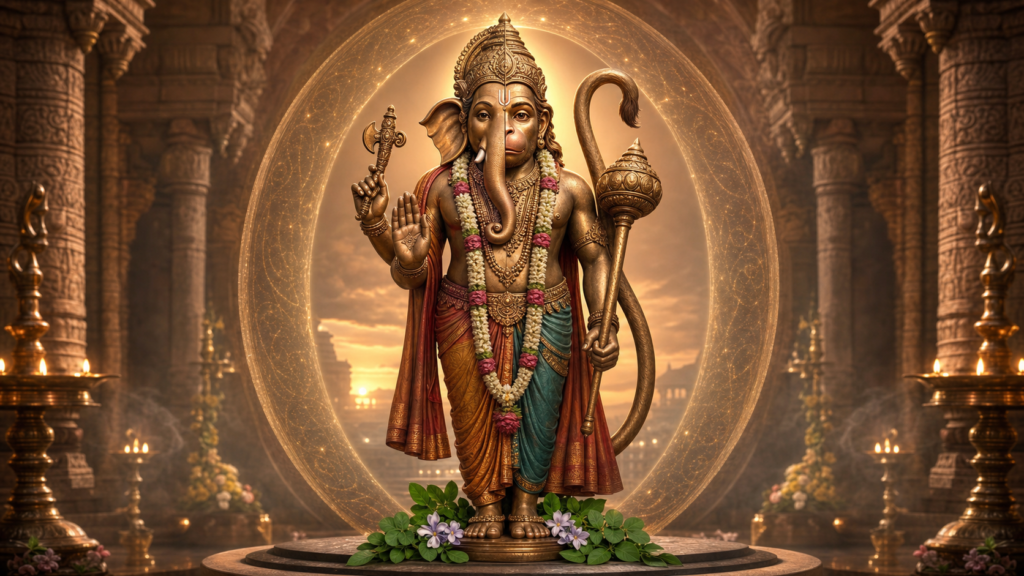
Traditional observances during the last phase of Shani Sadesati for Dhanu Rashi include cultivating a steady daily routine, practicing seva for elders and those in need, and mindful charity on Saturdays (such as offering sesame, oil, or black cloth). Many practitioners recite the mantra “Om Sham Shanicharaya Namah” with sincerity, reflect on commitments before initiating new ones, and observe fasts or simple diets in moderation. Devotional practices toward Shani or Hanuman, quiet japa, pranayama, and study of Panchang and Nakshatra timings are often used to enhance inner steadiness and right timing.
Astrologically, exact outcomes depend on individual charts: Janma Rashi and Janma Nakshatra, dasha-bhukti periods, and Shani’s aspects to natal planets all modulate experience. While the collective signature for Dhanu Rashi points to consolidation and closure, personalized guidance from a qualified practitioner can refine timing and focus. As always in Vedic astrology, remedies and reflections are approached as supportive disciplines rather than guaranteed results.
Practical emphasis serves well in this period: prioritize long-term goals over short-lived gains, adopt minimalist consumption, and safeguard health (bones, knees, teeth) through steady movement, balanced nutrition, and rest. Budgeting, debt reduction, and conservative financial planning help transform pressure into resilience. Journaling, satsang, and community service strengthen clarity and belonging, turning solitary endurance into shared growth.
Ultimately, Paada Shani for Dhanu Rashi invites a shift from restlessness to responsibility. When discipline meets devotion, Shani’s lessons become empowering. By aligning action with dharma, this final 2 1/2 years can feel less like a burden and more like a gatewayclosing old cycles, honoring rightful duties, and preparing the ground for a stable, meaningful next chapter.
Inspired by this post on Hindu Pad.