Thursday, November 6, 2025, in the Panchang – Hindu Calendar marks Krishna Paksha Pratipada, the first tithi of the waning (dark) fortnight. This tithi prevails until 4:55 PM on November 6 (local time; verify with a regional Panchang), after which the day transitions into Krishna Paksha Dwitiya. The date thus bridges two lunar markers, a detail of practical importance for rituals, travel planning, and observances aligned with tithi-specific guidance.
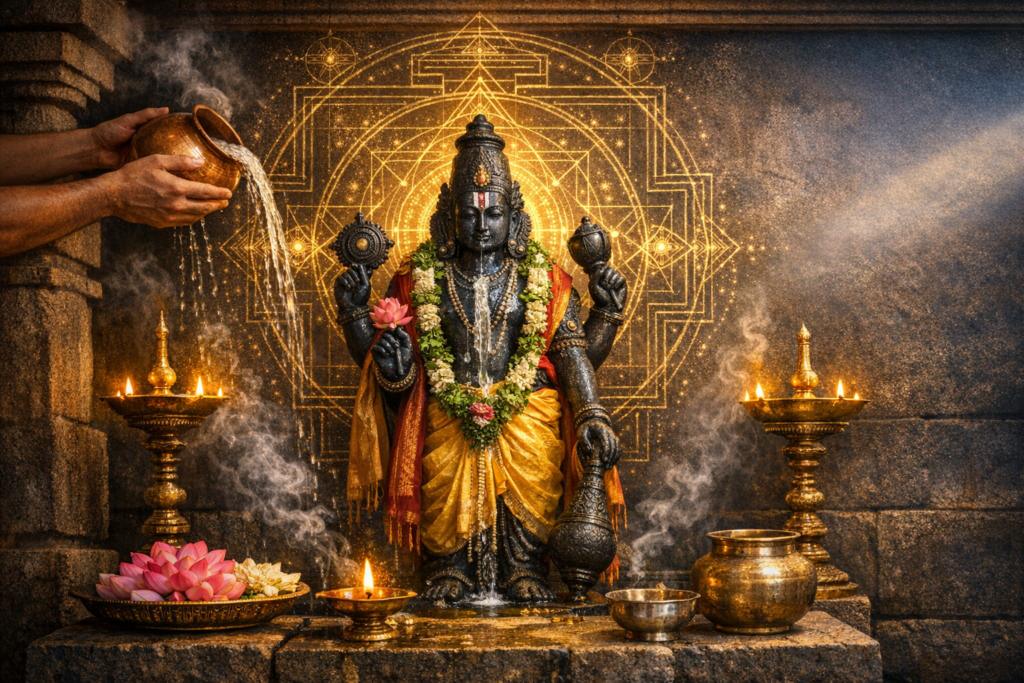
In many regions, this period corresponds to Kartik Krishna Paksha (Karthika masam/Karthikai Month), a time traditionally associated with restraint, contemplation, and steady service. Krishna Paksha Pratipada is regarded as a gentle pivot from culmination to renewal, inviting households to simplify routines and refocus priorities. With the onset of Dwitiya in the evening, intentions set earlier in the day can be carried forward with calm deliberation, nurturing discipline and clarity across personal, familial, and community spaces.
For those seeking a “good time” (shubh muhurta) for puja, study, or community service, local almanacs should be consulted for precise windows, as auspicious periods depend on regional coordinates and Panchang computations. Nakshatra and Rashi details likewise vary by location and should be verified with a trusted source to maintain accuracy for sankalpa, vrata observance, and temple visits. Aligning activities with the tithi change at 4:55 PM helps maintain fidelity to traditional timing while supporting practical daily schedules.
The shared rhythm of the lunar calendar underscores unity across dharmic traditions. Hindu, Buddhist, Jain, and Sikh communities have long engaged with lunar markers in diverse ways, reinforcing a living heritage of mindful timekeeping and collective harmony. Observing Krishna Paksha Pratipada and Dwitiya through this lens cultivates a sense of interconnectedness—honoring diversity in practice while celebrating common civilizational values.
Readers may note that regional calendars present Kartik/Karthika variations: Karthika masam across several South Indian traditions, Karthikai Month in Tamil regions, and Kartik in eastern calendars such as the Bengali almanac. These local frameworks enrich cultural continuity and should guide temple-specific schedules, community programs, and family rites on November 6, 2025.
Overall, the day’s progression—from Krishna Paksha Pratipada to Krishna Paksha Dwitiya—encourages measured action, introspection, and service. By aligning intentions with the waning moon, individuals and communities can experience steadiness and balance, deepening spiritual focus while sustaining unity in diversity across the broader dharmic landscape.
Inspired by this post on Hindu Blog.