
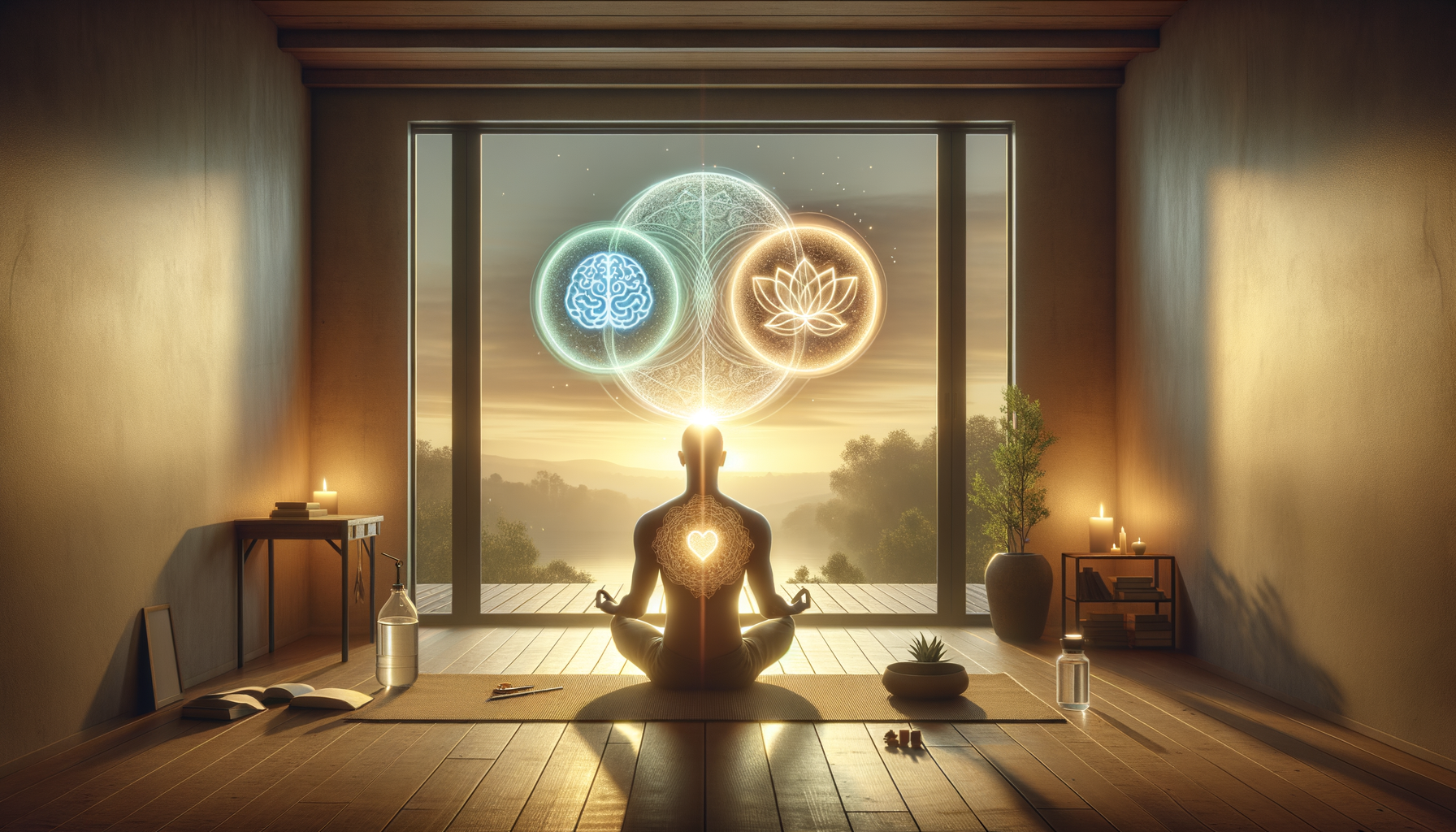
The often-asked questionwhat is stronger, mind, body, or soulframes a false contest. Each possesses its own distinct capacity and role: the body anchors vitality, the mind organizes perception and choice, and the soul or inner conscience orients life toward meaning and dharma. Prioritizing one over the others generates imbalance; cultivating harmony among all three produces sustainable well-being, resilience, and clarity.
The body provides the tangible platform for action. Adequate sleep, nourishing food, and regular movement enhance energy and immunity, supporting the mind’s focus and the soul’s steadiness. The mind refines attention, memory, and discernment, enabling emotional regulation and ethical decision-making. The soulunderstood across dharmic traditions as inner wisdom, conscience, and purposealigns daily choices with values such as ahimsa, seva, and compassion. In Hinduism, Buddhism, Jainism, and Sikhism, this inner orientation guides one toward self-awareness, responsibility, and unity with others.
Rather than seeking a single “strongest” dimension, a balanced framework recognizes interdependence. When the body is cared for, the mind concentrates more effectively; when the mind is calm, the body relaxes; when the soul is heard, both mind and body find direction. This triadic synergy supports emotional resilience, ethical living, and holistic well-being.
Practical integration begins with simple, consistent routines. Gentle movement or asana, a brief walk, or stretching prepares the nervous system for focused work. Breath awareness and pranayama stabilize attention and downshift stress responses. Dhyana (meditation) cultivates equanimity and insight. Together, these practices strengthen the mind–body connection while opening space for the soul’s guidancean approach fully consistent with a Hindu way of life and harmonious with Buddhist mindfulness, Jain self-discipline, and Sikh seva.
Consider a young person preparing for exams or a professional facing deadlines. Ten minutes of mindful breathing improves cognitive clarity; a short body practice reduces restlessness; a few minutes of silent reflection reconnects action with purpose. Over time, this rhythm transforms scattered effort into steady progress, replacing anxiety with composure and reactivity with thoughtful response.
Ethical orientation keeps strength benevolent. Across dharmic traditions, dharma offers a compass: align vigor with non-harm, channel ambition through self-discipline, and translate insight into compassionate action. Jain ahimsa, Buddhist mindfulness, Sikh seva, and Hindu yama–niyama converge on the same principle: inner power is most meaningful when it uplifts others and sustains the larger community.
Imbalance has recognizable signs. When the mind dominates, overthinking, perfectionism, and fatigue appear; restoring breath awareness and movement recalibrates. When the body dominates, indulgence and distraction cloud judgment; renewing study, reflection, and service clarifies intent. When the soul is pursued without grounding, “spiritual bypassing” neglects daily duties; recommitting to health practices and disciplined focus reestablishes integrity. Balance is not static; it is a dynamic, compassionate re-alignment.
Practical markers of balance include steady energy through the day, calm focus under pressure, and a reliable sense of meaning that motivates ethical action. Short, regular sessions of movement, pranayama, and meditation, paired with simple acts of seva, create a feedback loop: the body feels well, the mind becomes clear, and the soul’s direction grows audible. This integrative approach honors the shared wisdom of Hinduism, Buddhism, Jainism, and Sikhism and strengthens unity across dharmic traditions.
The most helpful conclusion is clear: mind, body, and soul are strongest together. Nurture the body to support the mind, train the mind to serve the soul, and let the soul orient both toward compassionate, purposeful living. This balance builds inner strength and harmony that endure.
Inspired by this post on Hindu Pad.










