
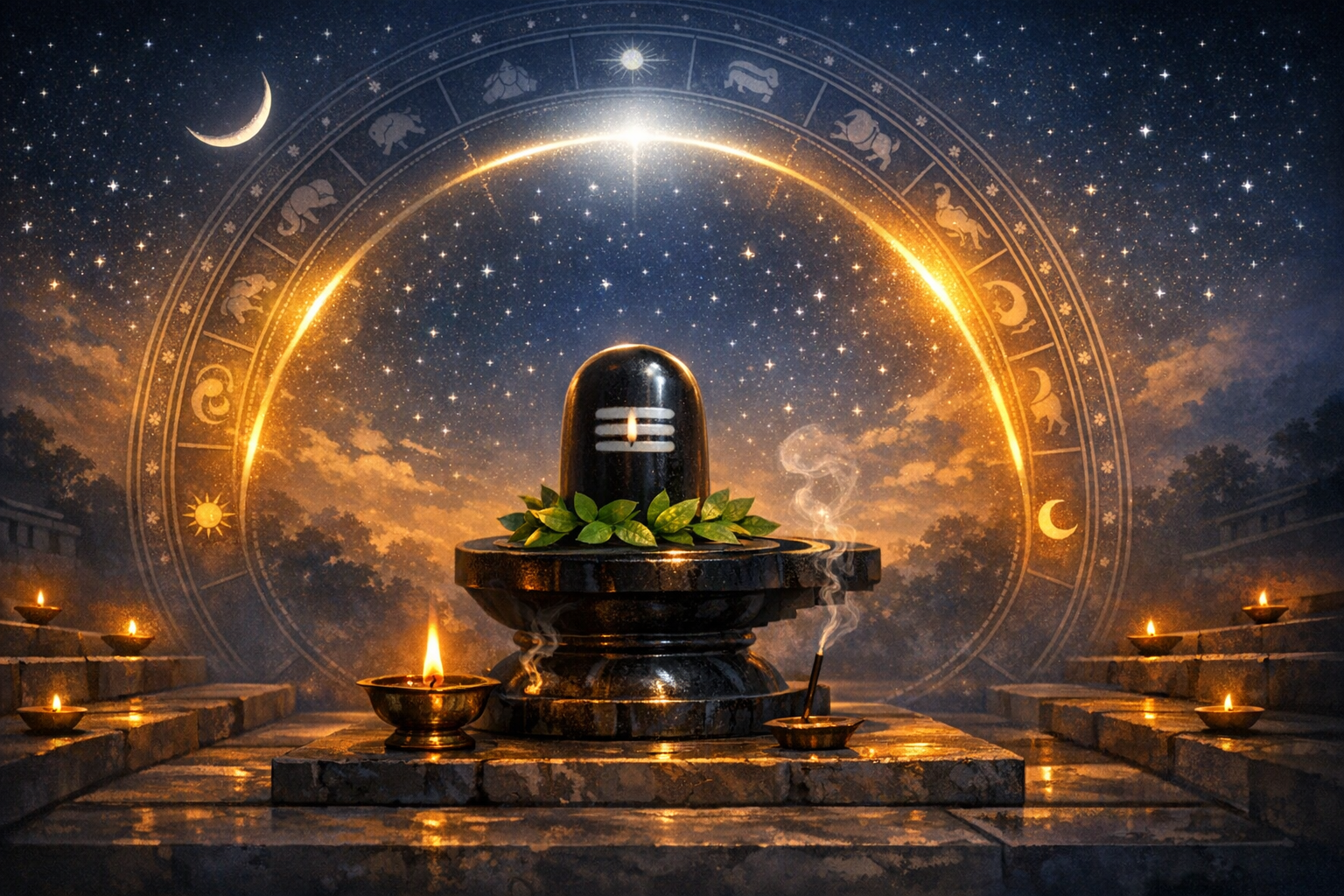
Saturday, June 27, 2026, in the Hindu calendar (Panchang) falls on Shukla Paksha Trayodashi, the thirteenth lunar day of the bright fortnight. In most regions, this tithi prevails for the entire civil day and continues until 12:35 AM on June 28, after which Shukla Paksha Chaturdashi begins. This continuity across daylight hours makes the day especially relevant for observances aligned with Trayodashi.
Tithi denotes the angular separation between the Moon and the Sun, increasing in steps of 12 degrees. When the geocentric lunar–solar longitudinal difference lies between 156° and 168°, the day is Shukla Paksha Trayodashi. Tithi start and end times therefore depend on the actual positions of the luminaries and can shift by location and method of calculation, which explains why authoritative Panchangam traditions sometimes offer slightly different cutoffs.
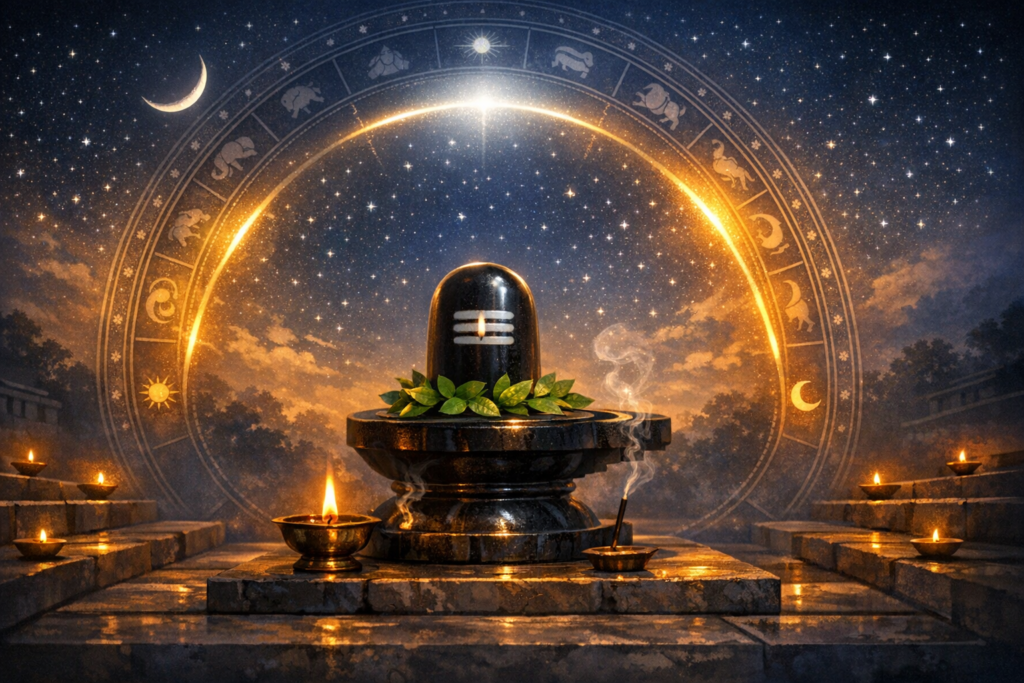
Shukla Paksha signifies the waxing half of the lunar month and is traditionally associated with clarity, initiative, and auspicious undertakings. Trayodashi within the Shukla phase is especially noted for Pradosh Vrat (also known as Pradosham), a twilight observance venerating Shiva. Because Trayodashi extends through the daylight of June 27 in most regions and continues past local sunset, the Pradosh period—approximately the 72 minutes straddling sunset—falls while Trayodashi is still in force, aligning well with customary practice.
Auspicious windows (often referred to as Shubh Muhurat) on any given day are contextualized by core Panchang elements and local sunrise–sunset. Commonly observed positive periods include Brahma Muhurta (about 1.5–2 hours before sunrise) for meditation, japa, and study; Abhijit Muhurta near midday for decisive actions; and the gentle Godhuli Bela at dusk for reflective worship. On a Pradosh-aligned Trayodashi, the twilight window dedicated to Shiva attains special emphasis for puja, dipa, and mantra recitation such as “Om Namah Shivaya.”
Equally important are the inauspicious segments traditionally avoided for initiating new ventures: Rahu Kaal, Yamaganda, and Gulika Kaal. These intervals are derived by dividing the local daylight span into eight equal parts and assigning fixed ordinal segments by weekday. For Saturdays, Rahu Kaal occupies the 3rd segment of daylight, Yamaganda the 6th, and Gulika Kaal the 1st. Determining the exact clock times requires the day’s local sunrise and sunset; dividing the interval yields precise boundaries suited to one’s location.
The Panchang’s Nakshatra (lunar mansion) and the Moon’s Rashi (zodiac sign) further inform the day’s character, electional choices, and devotional emphases. While Nakshatra captures the Moon’s placement among the 27 stellar asterisms, Rashi maps the Moon’s sign in the sidereal zodiac; together they guide the tone of activities, from spiritual disciplines to professional decisions. Because these values shift dynamically and can change during a single day, practitioners consult a reliable regional Panchangam for the exact Nakshatra and Moon Rashi operative at their specific time and place on June 27, 2026.
Two additional Panchang limbs—Yoga and Karana—complement Tithi, Nakshatra, and Vara (weekday) in fine-tuning muhurta. Yoga, calculated from the combined longitudes of the Sun and Moon, indicates the day’s overarching quality, while Karana—half a Tithi—provides shorter action-oriented intervals. Given that these can change multiple times a day, practitioners commonly verify them alongside Tithi for carefully timed rites, charitable pledges (dāna), or personal sankalpa.
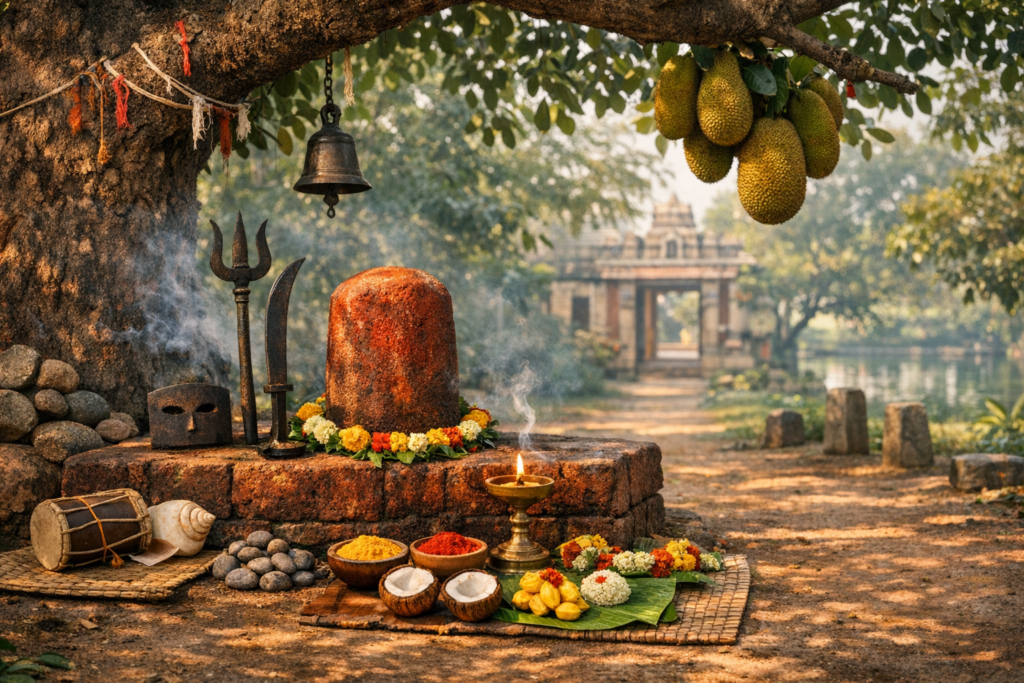
Trayodashi’s devotional core in many Hindu lineages is the Pradosh Vrat honoring Shiva and embodying inner clarity and restraint. Related practices—upavāsa according to capacity, simple satvik meals after sunset worship, offering bilva leaves, lighting a diya, and reciting stotras—are undertaken with humility and the intent of purifying speech, mind, and action. Many families find that pausing together at dusk on such days nurtures quiet joy, bonding, and a sense of shared purpose.
While the specifics of ritual expression vary, the broader ethos harmonizes across dharmic traditions. Hindu observances around Tithi and Pradosh emphasize self-discipline and devotion; Buddhist communities observe lunar Uposatha days for reaffirming precepts and meditation; Jain traditions mark lunar days for upavāsa, pratikraman, and reflection; and Sikh practice centers on simran, kirtan, and seva throughout the lunar cycle, with many gurpurabs in the traditional Bikrami reckoning. The shared commitment to ethical living, contemplation, and service fosters a sense of unity in diversity within the dharmic family.
Practical planning for June 27, 2026, may therefore center on three anchor points: Brahma Muhurta for silent meditation and mantra japa; Abhijit Muhurta near midday for clear, focused tasks or decisions; and Pradosh at twilight for Shiva puja and collective prayer. When initiating new endeavors, simply compute and sidestep Saturday’s Rahu Kaal (3rd daylight segment), Yamaganda (6th), and Gulika Kaal (1st); conversely, ongoing routine work, study, and charity remain appropriate throughout the day.
As with all Panchang-based guidance, regional and methodological differences must be respected. Drik (observational) and Vakya (traditional) computations, as well as Purnimanta versus Amanta month conventions, can produce minor timing variations between almanacs. The indication that Shukla Paksha Trayodashi endures through June 27 and until 12:35 AM on June 28 reflects most regional listings; nevertheless, locally verified sunrise, sunset, and tithi transitions should be used when scheduling formal rites or sankalpa.
In summary, Saturday, June 27, 2026, is a strong day for satvik initiatives under Shukla Paksha Trayodashi, culminating in an auspicious Pradosh window for Shiva worship. With mindful attention to local sunrise–sunset, Nakshatra and Rashi in effect, and the standard safeguards around Rahu Kaal, Yamaganda, and Gulika Kaal, practitioners can align their spiritual intention and daily duties with the cosmic cadence that the Panchang so elegantly encodes.
Inspired by this post on Hindu Blog.



Leave a Reply
You must be logged in to post a comment.