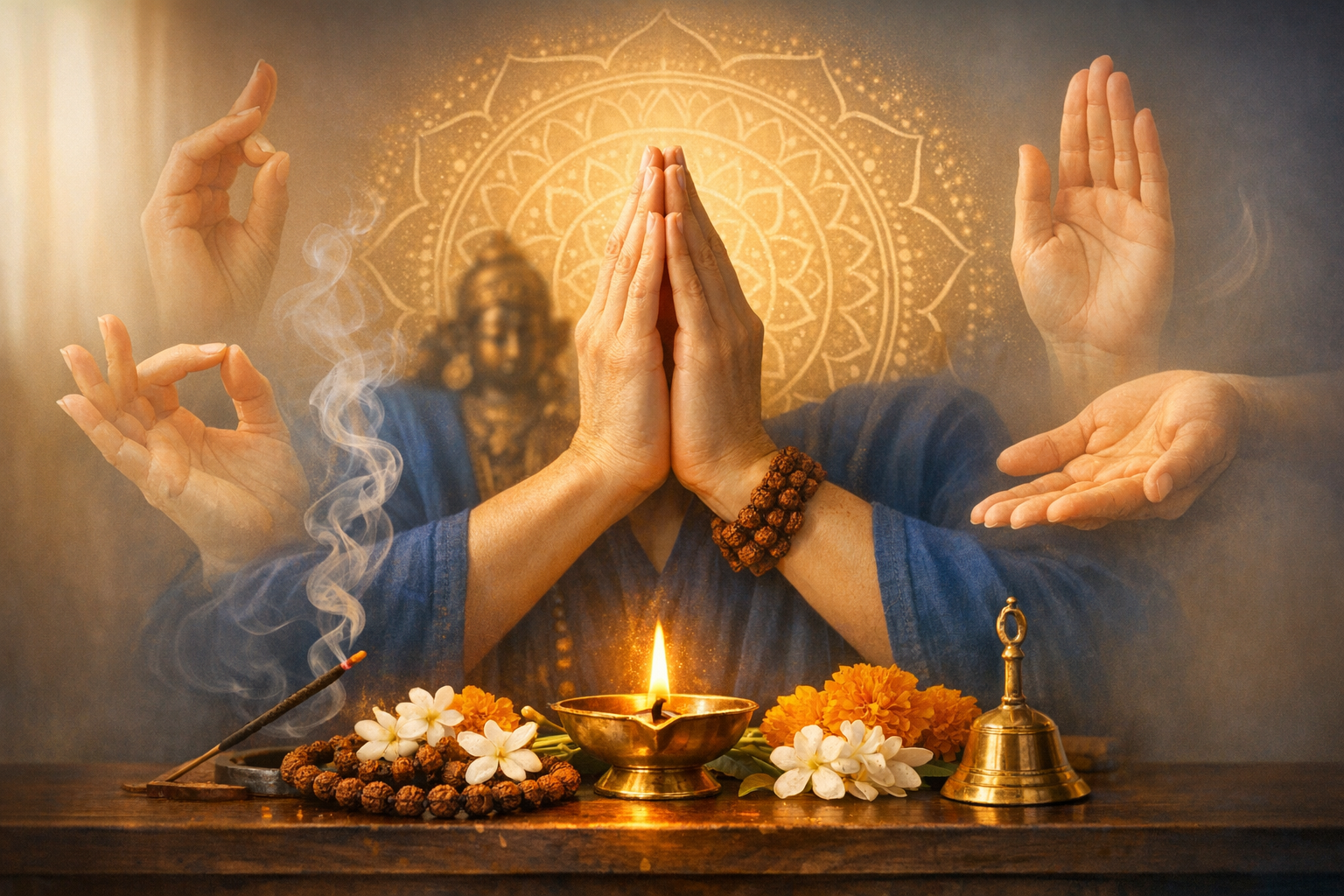
Mudras, the symbolic hand gestures used in Hindu puja and worship, function as a precise language of devotion. Far from being mere bodily movements, they articulate reverence, invitation, and communication with the deity while shaping attention, emotion, and intention. Each mudra carries specific symbolism, and careful execution during ritual anchors the relationship between devotee and divine, embodying a nuanced grammar that the Bhakti Tradition has preserved across the centuries.
Within the ritual ecology of Hindu puja, mudras operate alongside mantra (vacika or vocal expression) and bhava/dhyana (manasika or mental focus), completing the classical triad with kayika (physical action). This integrated triad transforms the altar into a contemplative field: the hands signal meaning, the voice gives form through Vedic mantras and stotras, and the mind steadies in meditative presence. The result is not performance but alignmentbody, breath, and awareness moving together toward darshana and inner quiet.
Scriptural and traditional sources consistently point to the centrality of gesture. Agamic literature across Shaiva, Shakta, and Vaishnava streams (including Pancharatra and Vaikhanasa traditions), Smarta paddhatis used for domestic puja, and manuals of temple archana all describe hand positions and sequences that accompany offerings. Classical treatises such as the Natya Shastra and Abhinaya Darpana, though framed for performance and pedagogy, preserve an overlapping lexicon of hasta (hand) positions that devotional arts adapt for worship. Such texts emphasize that while enumerations vary by lineage, the foundational intentto make the invisible intention visibleremains stable.
In practice, mudras used in puja can be viewed across four broad functional types. First, deity-iconic mudras reflect the posture and attributes displayed by murtis and images (such as Abhaya for fearlessness and Varada for benevolence). Second, ritual-facilitative mudras enact liturgical transitions: invitation (avahana), offering (samarpana), and conclusion (udvasana). Third, contemplative mudras such as Dhyana, Chin, and Jnana stabilize attention and support meditation techniques. Fourth, protective and integrative mudras work with mantra-placed sanctification (nyasa) and subtle visualization, serving as a kavacha or energetic enclosure for the rite.
Nyasamost commonly kara-nyasa (hand-based) and anga-nyasa (limb-based)illustrates how gesture, mantra, and visualization fuse. Practitioners lightly touch specific fingers and body regions while reciting seed syllables and names, a method described in Agamic and Tantric materials. The gesture does not “cause” divinity but educates attention: the worshipper learns to recognize sacred presence as inherent, while the hands, breath, and mantra entrain the nervous system toward steadiness. In this way, nyasa exemplifies Hindu spirituality’s embodied pedagogy.
Breath critically mediates the meaning of mudra. When synchronized with gentle pranayama, gestures modulate arousal, soften reactivity, and refine sensory awareness. Many practitioners report a felt resonance in the anahata region (heart center) when maintaining Anjali or Namaskara mudra during japa or aarti, suggesting a practical link between posture, the vagus-mediated calming response, and devotional sentiment. Traditional language describes the same phenomenon in metaphors of prana aligning through sushumna nadi when body, mantra, and intention cohere.
Consider a standard household shodashopachara (sixteen-offering) puja as a framework. During avahana, open palms and a clear, invitational gesture articulate welcome. Asana and padya steps use cupped-hands offerings to signify seat and water. Snana (ritual bathing) employs sprinkling gestures, followed by vastra (clothing), gandha (sandal paste), and alankara (adornment) with precise hand placements that avoid occluding the murti’s face. Pushpanjali (offering of flowers) gathers hands together near the heart before releasing the petals, while dhupa and dipa offerings use steady, circular mudra-guided arcs. Naivedya is presented with calm, open hands, and the rite often concludes with deepa-arati and a full prostration or namaskara. While exact sequences differ by region and sampradaya, a consistent gestural logic supports every transition.
Anjali or Namaskara mudra is among the most recognizable. Palms meet with the thumbs gently touching the sternum, elbows soft, shoulders relaxed, and gaze steady. Symbolically, the gesture unites the right and left sides, often glossed as the coming together of jiva and Ishvara. Functionally, it quiets the upper chest and neck, fosters one-pointedness, and establishes humility, which Hindu way of life regards as foundational for receiving knowledge and grace.
Jnana and Chin mudras support meditation and recitation. Formed by joining the thumb and index fingerpalm up for Jnana, palm down for Chinthey cue themes of knowledge, discrimination, and grounding. In seated mantra practice, these mudras stabilize the wrists and reduce unnecessary muscular effort. The point is neither theatricality nor esotericism but precision: a small, repeatable hand shape that cues the mind toward clarity while aligning with time-tested meditation techniques.
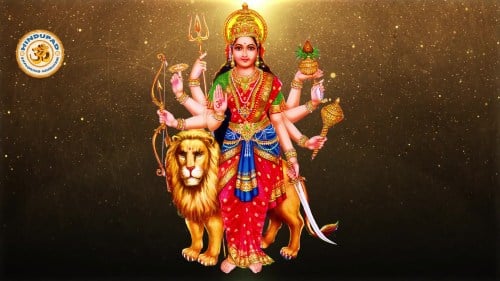
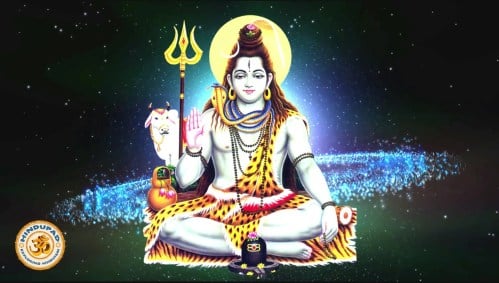
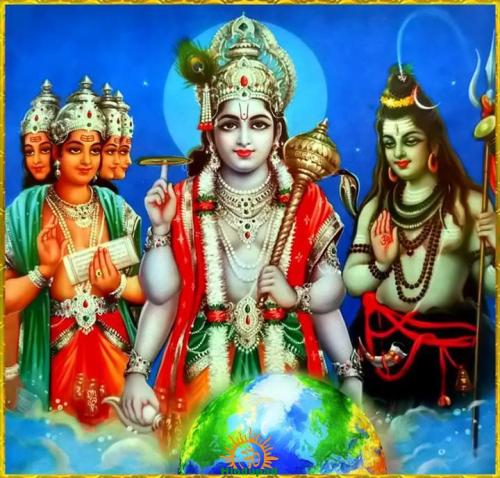
Abhaya and Varada mudras, ubiquitous in murti iconography, also inform priestly gesture. Abhayaright hand raised, palm openembodies fearlessness and protection; Varadapalm lowered, fingers openembodies giving and acceptance. In temple archana and household puja alike, brief adaptations of these forms contextualize mantras that praise these very qualities in the deity, allowing the body to “speak” the words being sung.
Pushpanjali, a hallmark of both ritual and classical dance, gathers devotion and releases it as offering. Cupped hands receive the fragrance of flowers and mantras alike, drawing attention into the anahata region before the petals are offered at the feet of the murti. The physical archands rising toward the heart and then descendingtraces a memory that supports future recollection of devotion during daily life, reinforcing spiritual habits without strain.
Vaishnava practices often include emblematic hand-forms during sanctifications. For instance, conch-like and discus-like hand shapes may be used to bless water or directions during specific steps, echoing shankha and chakra symbolism seen with Vishnu. Shaiva Siddhanta and Smarta traditions similarly teach protective and consecratory mudras that orient space and attention before abhishekam and archana. While terminology and counts vary, the shared aim is unmistakable: consecrate the field, quiet the mind, and honor presence.
Shakta lineages sometimes preserve deity-specific mudras transmitted under guidance, and Tantric manuals describe advanced variations paired with bija mantras and nyasa mappings. Responsible practice emphasizes humility and training: where a lineage prescribes particular gestures, they should be learned from qualified teachers, keeping fidelity to scripture and to the safety and well-being of practitioners.
Mudras also articulate a shared semiotic thread across dharmic traditions. Buddhism systematically codifies gestures such as Dharmachakra (turning the wheel of Dharma), Bhumisparsha (earth-witness), and Dhyana; Jain images regularly display Abhaya and meditative hand placements; and the Namaskara greeting (Anjali) remains a pan-Indic sign of respect in daily life, including among Sikhs, though Sikh liturgy centers on Shabad and Simran rather than image-based ritual. This shared gestural vocabulary exemplifies unity in diversity, honoring the plurality of Hinduism, Buddhism, Jainism, and Sikhism without conflating their distinctive paths.
From the standpoint of cognitive science and embodied attention, mudras can be understood as concise motor programs that scaffold concentration. By reducing extraneous movement, they conserve cognitive resources for mantra, visualization, and scriptural contemplation. Many notice improved emotional balance and reduced restlessness when repeating simple gesturesan observation consistent with the idea that stable proprioceptive inputs help steady the mind, a principle that resonates with Yoga philosophy and modern understandings of interoception.
Learning proceeds most effectively through a gradual, principle-based approach. Begin with a small setAnjali, Jnana/Chin, and Pushpanjaliexecuted at a comfortable pace, synchronized with soft breathing. Keep the wrists neutral, fingers relaxed, shoulders down, and gaze steady. In mantra practice, let the mudra be the anchor that returns attention whenever it wanders. Where physical limitations exist, a reduced range or mental visualization of the mudra retains devotional meaning without strain.
Common errors include compressing the hands too tightly, rushing transitions, or allowing the neck and jaw to harden. Simple correctionsslowing to the rhythm of the breath, releasing excess effort in the shoulders, and aligning the mudra with the phrasing of the mantrarestore clarity. The instruction is simple: precise, gentle, and repeatable. Over time, the gestures become second nature, cueing sattva (calm lucidity) in the midst of daily tasks.
Domestic puja and temple archana differ in scale but share the same grammar. In homes, concise sequences such as panchopachara (five offerings) may be accompanied by a reduced set of mudras while preserving their symbolic force. In temples, trained archakas coordinate more elaborate gestures alongside abhishekam, alankara, and deepa-arati, guiding congregations into collective focus. In both contexts, children and elders alike can participate through simple hand positions, making gesture a gentle medium of intergenerational learning.
Advanced practitioners may study protective kavacha sequences that combine kara-nyasa, anga-nyasa, and directional consecrations before mantra japa, particularly during festivals or vrata observances. Such work should remain text-grounded and supervised when possible. The principle remains unchanged: mudras serve clarity, sincerity, and safety; they are never ends in themselves.
Ethically, gesture follows disposition. Yamas and niyamasahimsa, satya, shaucha, and related disciplinescontextualize ritual skill within character. When practiced in the spirit of humility and gratitude, mudras become visible forms of inner transformation. When practiced mechanically or pridefully, their meaning erodes. Hindu spiritual traditions consistently remind devotees that right intention animates right technique.
There is growing interest in empirical study of mudras, pranayama, and mantra as embodied attentional practices. While preliminary observations are promising, careful research design is required to separate tradition-compatible insights from overstated claims. A respectful, evidence-seeking approachhonoring scriptures while engaging contemporary methodscan enrich understanding without diluting the integrity of practice.
Mudras, then, are a living grammar of pujaconcise, learnable, and profound. They coordinate gesture, breath, and mantra into a single act of worship that is intellectually rigorous, emotionally resonant, and accessible across sampradayas. In honoring the shared gestures among Hinduism, Buddhism, Jainism, and Sikhism, they also affirm a deeper unity in diversity at the heart of the subcontinent’s sacred life. Practiced with care, they illuminate the path from outer ritual to inner stillness.
Inspired by this post on Hindu Blog.