On Tuesday, December 30, 2025, the Hindu calendar (Panchang) notes a transition from Shukla Paksha Dashami to Shukla Paksha Ekadashi. In most regions, Shukla Paksha Dashami prevails until 3:27 AM on December 30, after which Shukla Paksha Ekadashi continues for the remainder of the day. This sequence reflects the waxing (bright) phase of the lunar fortnight and is observed widely across traditions.
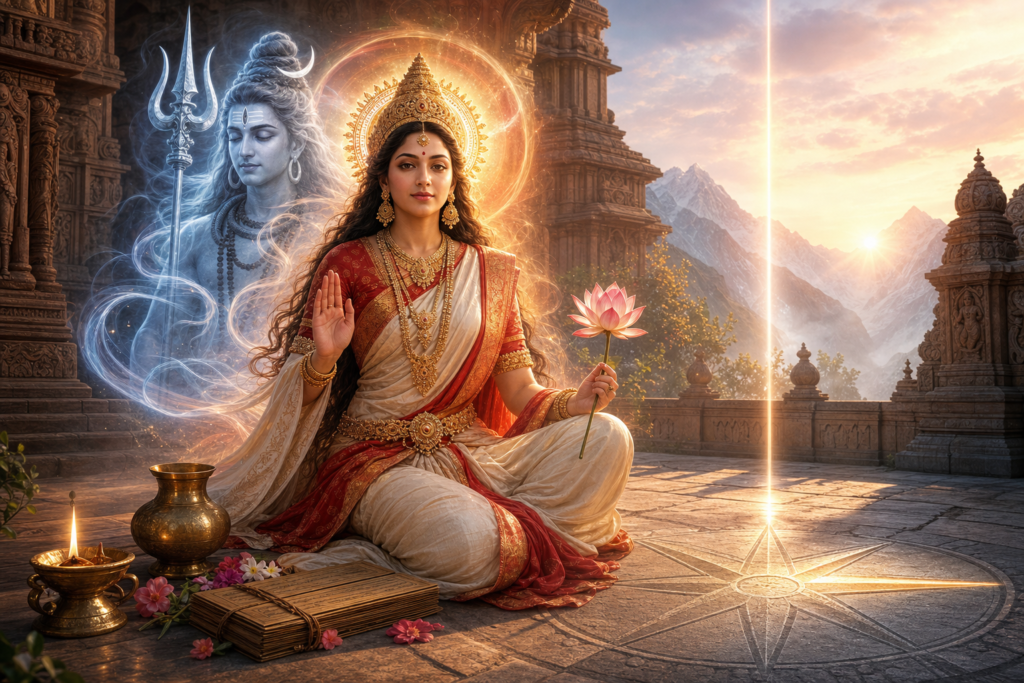
Ekadashi holds special significance as a day of focus, restraint, and contemplation. Many practitioners experience it as an opportunity to cultivate clarity through practices such as japa, dhyana, and mindful living. While Ekadashi fasting and vrata are integral to Vaishnava observance within Hinduism, the underlying valuesself-discipline, compassion, and inner harmonyresonate with shared dharmic principles appreciated across Hindu, Buddhist, Jain, and Sikh traditions. This common ethical ground reinforces unity and mutual respect among dharmic paths.
Panchang details such as Nakshatra, Rashi, and Shubh Muhurat (good time) are sensitive to location, local sunrise, and time zone. Readers are therefore encouraged to consult a reliable regional Panchang or local temple calendar for precise Nakshatra, Rashi, and Muhurat applicable to their place of residence on December 30, 2025. This ensures accuracy for rituals, sankalpa timing, and day planning.
Common Ekadashi observances include sattvic diet and upavasa (as individually appropriate), quiet study of scriptures, and acts of seva. Many families find the day conducive to shared prayer, reflective reading, and gentle conversations that nurture harmony. Even when fasting is not undertaken, mindful choicessuch as reduced distraction, intentional kindness, and attention to breathsupport the contemplative spirit of the day.
Summary for Tuesday, December 30, 2025 (Hindu Calendar): Shukla Paksha Dashami ends at 3:27 AM, followed by Shukla Paksha Ekadashi for the rest of the day. As regional Panchang values may vary, confirm local Nakshatra, Rashi, and Shubh Muhurat for accurate observance. Approached with sincerity, the day offers a structured rhythm for inner steadiness and a shared sense of dharmic unity.
Inspired by this post on Hindu Blog.