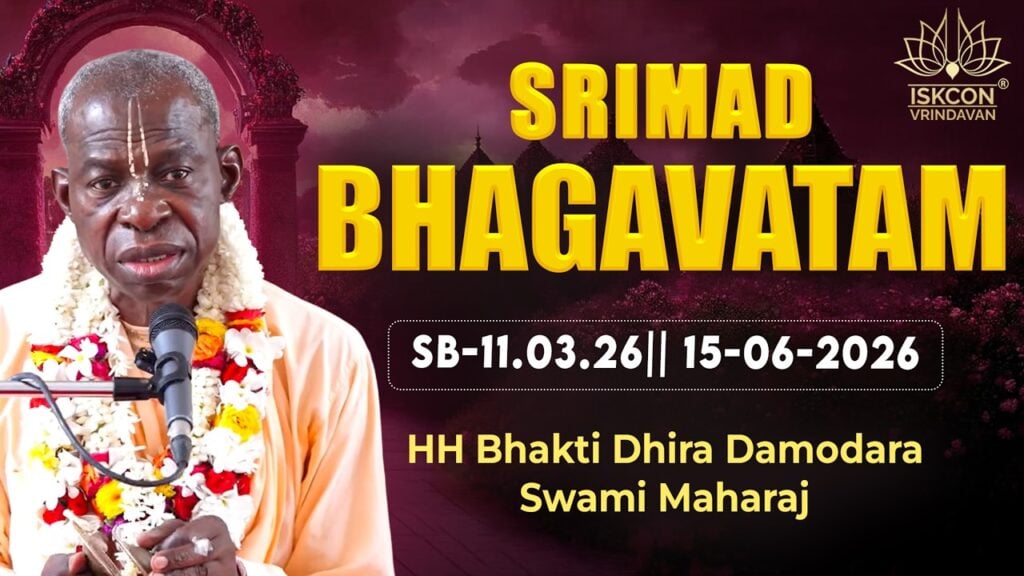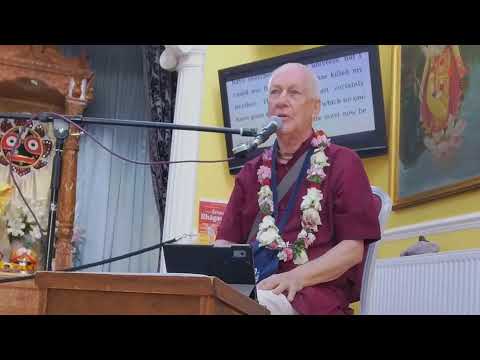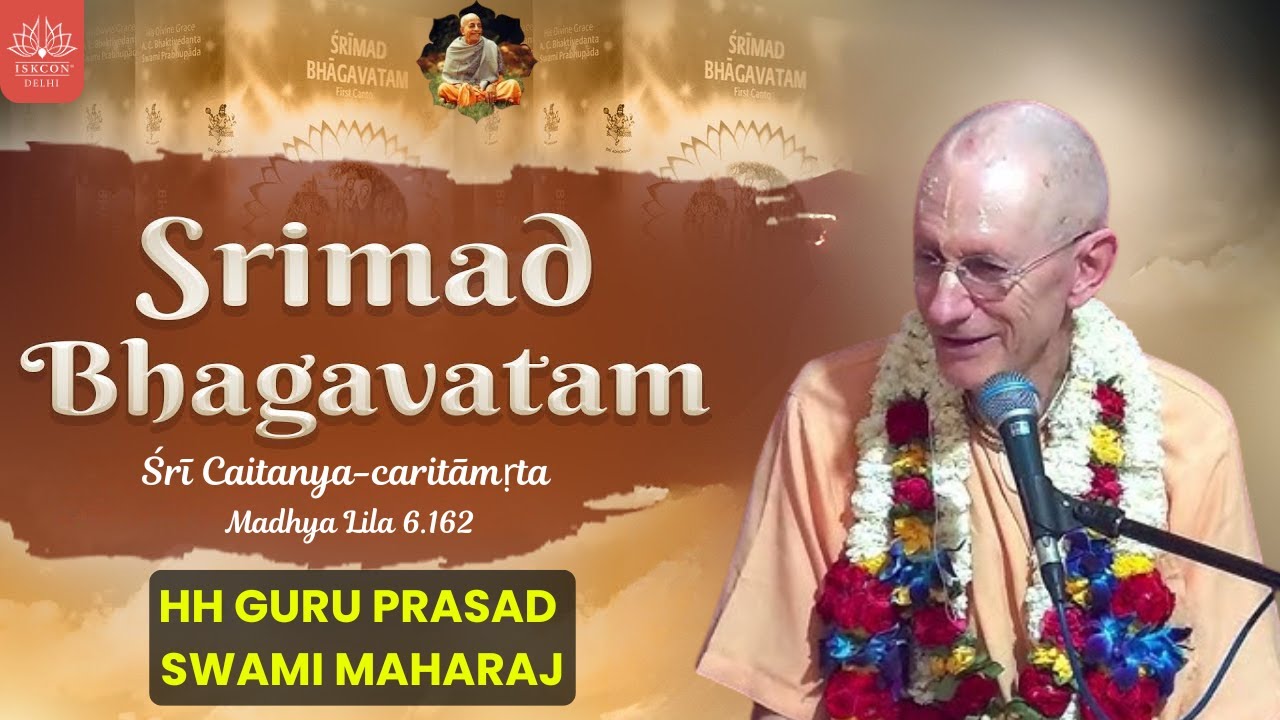
In a morning discourse in ISKCON Delhi centered on CC Madhya Lila 6.162, HH Guru Prasad Swami highlighted a pivotal insight from the Muṇḍaka Upaniṣad: the absolute distinction between the Supreme Lord and the living entities. The Lord remains the impartial witness (sākṣī) who bestows the results of action, while the living being undergoes the reactions of karma. This classical teaching offers both clarity and consolationexplaining moral causality without denying a compassionate divine oversight.
According to the living entity’s desires, the soul wanders from one body to another and from one planet to another, experiencing the precise fruits of past intentions and deeds. In the same devotional frame, CC Madhya Lila 6.162 emphasizes that amidst this vast journey, gracereceived through guru and ultimately the Lordplants the seed of transformative devotion. The synergy of karmic responsibility and divine mercy thus becomes the guiding structure of spiritual progress in Hindu philosophy.
For many practitioners, this vision is emotionally grounding. Recognizing the Lord as the benevolent witness reduces anxiety about outcomes and invites a steady commitment to purifying desires and actions. Practices such as mantra meditation, attentive study of scriptures, and ethical living aligned with dharma translate these principles into daily life, turning abstract metaphysics into lived spiritual growth.
Resonances appear across the wider dharmic family. Buddhism upholds the law of karmic causality and the cycle of saṁsāra while cultivating a lucid, witness-like mindfulness; Jainism articulates jīva bound by karma and released through right knowledge, faith, and conduct; Sikh thought centers on hukam, karam, and the Lord’s nadar (grace), integrating moral responsibility with devotional trust. While doctrinal frameworks differ, all affirm ethical action, inner discipline, and a path to liberationoffering fertile ground for mutual respect and unity among Hinduism, Buddhism, Jainism, and Sikhism.
This integrated perspective fosters humility and responsibility. It encourages seekers to refine intention, embrace compassion, and welcome graceseeing life’s turns not as random, but as meaningful invitations to deepen wisdom and devotion. In this way, the teaching nurtures interfaith harmony within the dharmic spectrum while preserving fidelity to scriptural sources.
Ultimately, the Muṇḍaka Upaniṣad’s distinction, reflected through CC Madhya Lila 6.162, bridges philosophical rigor with devotional hope. The soul’s wandering is neither chaotic nor futile; it unfolds under the Lord’s omnipresent witness and the uplifting mercy accessed through the guru. Such insight strengthens confidence in spiritual practice and invites a unifying, compassionate outlook across dharmic traditions.
Inspired by this post on Dandavats.