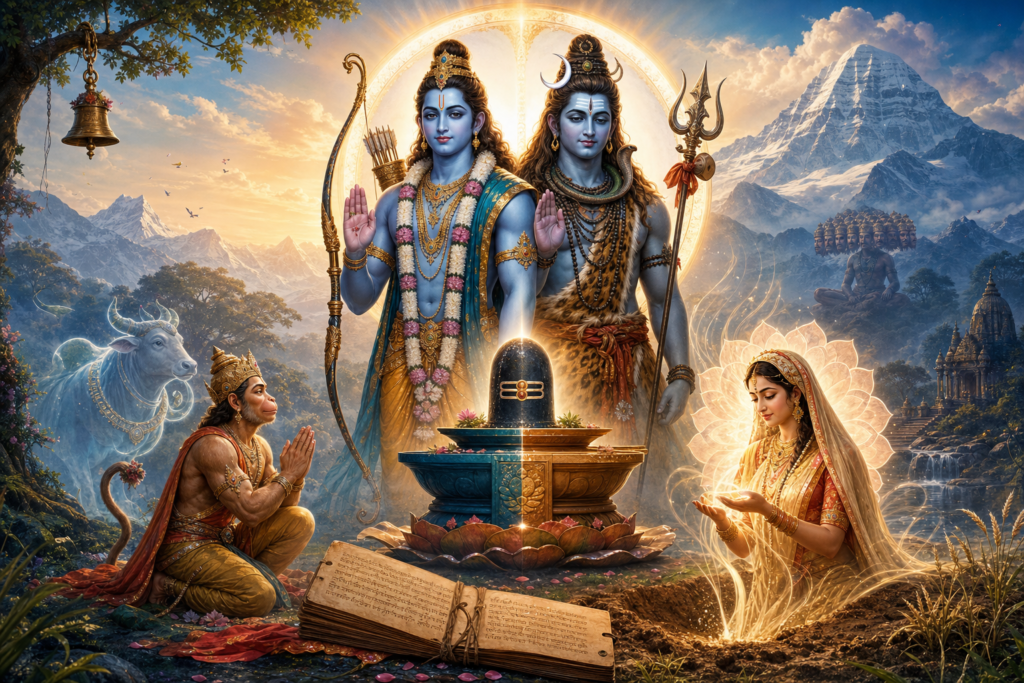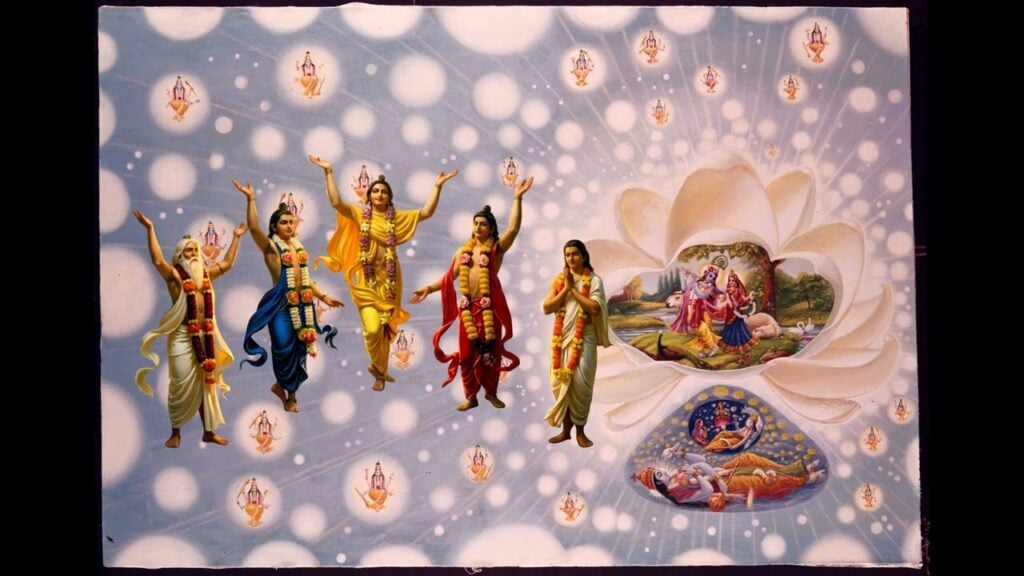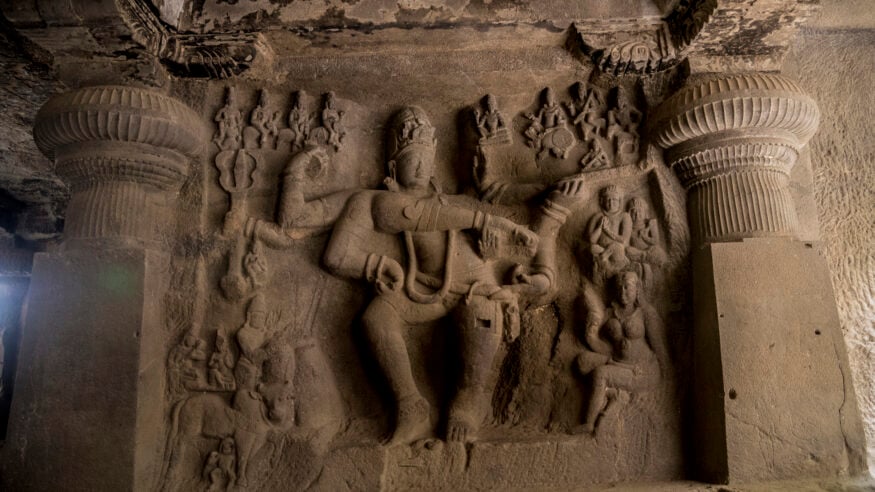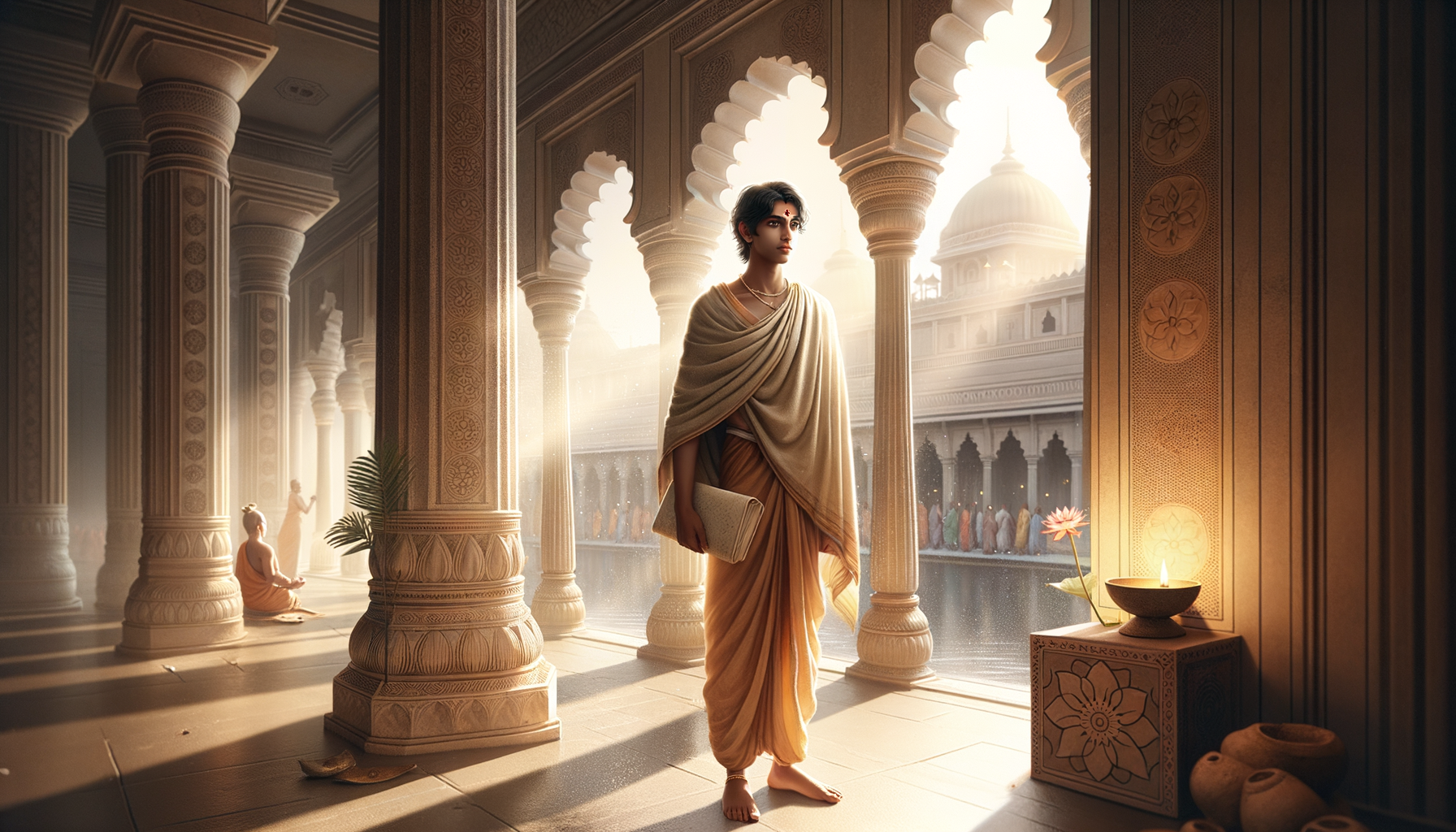
Among the many subtle voices in the Ramayana, Bhadra stands out as a minor yet revealing presence. Mentioned in the Valmiki Ramayana (often referenced at 7.43.2), Bhadra appears within the living milieu of Ayodhya as a companion of Lord Rama. Tradition variously remembers him as “the amuser” and, in several tellings, as an attentive informer who carried the city’s sentiments to the palace. This composite image helps illuminate how the epic encodes the everyday textures of Ancient India alongside its grand moral arc.
Within Ayodhya, Bhadra’s role is indicative of rajadharma in practice: a ruler’s duty to remain in conversation with the people. As “the amuser,” he lightened the atmosphere of court; as an informal messenger, he helped transmit the voice of the street to the sovereign. Read this way, Bhadra’s presence is not incidental. It reveals how the Ramayana integrates governance, public sentiment, and ethical responsibility, allowing Lord Rama’s decisions to be understood against the pulse of his subjects.
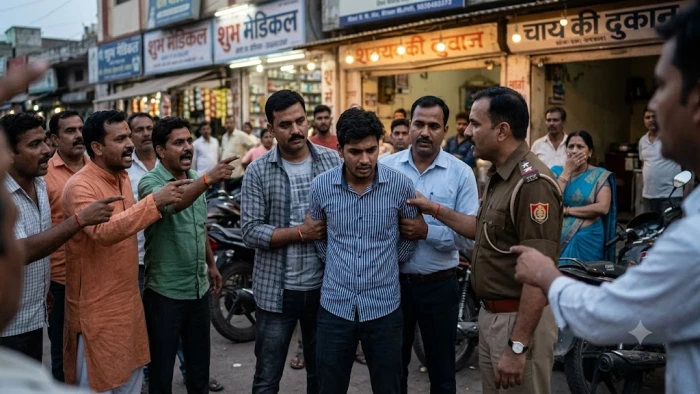
Literarily, figures like Bhadra function as narrative lenses. Through them, the epic registers ordinary perspectives that might otherwise remain unheard. In later portions of the narrative, public opinionframed as whispers, reports, and conversationsshapes the ethical circumstances surrounding the royal household. Bhadra’s role, though brief, thus serves the Ramayana’s realism: the great choices of kings are weighed not only by ideals of dharma but also by the lived experiences of their people.
Readers frequently recognize in Bhadra the quiet contributor found in every communitythe person who eases burdens, carries messages, and reminds leaders what matters to the many. Such figures often have no monumental deeds, yet they help sustain social trust. By drawing attention to this humble witness, the Ramayana invites reflection on how history is shaped as much by listeners and informers as by celebrated heroes.
Across the dharmic traditions of Hinduism, Buddhism, Jainism, and Sikhism, Bhadra’s composite virtues resonate: truthfulness, humility, service, and accountability to community. Each tradition honors attentive leadership and compassionate participationprinciples that foster unity in diversity. Seen through this lens, Bhadra symbolizes a shared civilizational ethic, encouraging interfaith respect and a harmonious understanding of plural paths within the broader Indic heritage.
Engaging with Bhadra enriches the study of the Ramayana as cultural heritage and scripture. It clarifies how Valmiki’s epic intertwines narrative beauty with social philosophy, how Ayodhya’s civic life informs royal duty, and how dharma is tested and affirmed in the presence of ordinary voices. Such attention to a lesser-known character yields both literary insight and ethical clarityreminding readers to listen for the quieter notes that make the epic’s moral music complete.
In sum, Bhadra’s brief appearance magnifies the epic’s scope: from palace to marketplace, from ideal principles to everyday realities. Remembering him encourages careful reading of the Ramayana’s nuanced portrayals and supports a unifying view of dharmic wisdomone that values dignity, dialogue, and responsibility across traditions.
Inspired by this post on Hindu Blog.