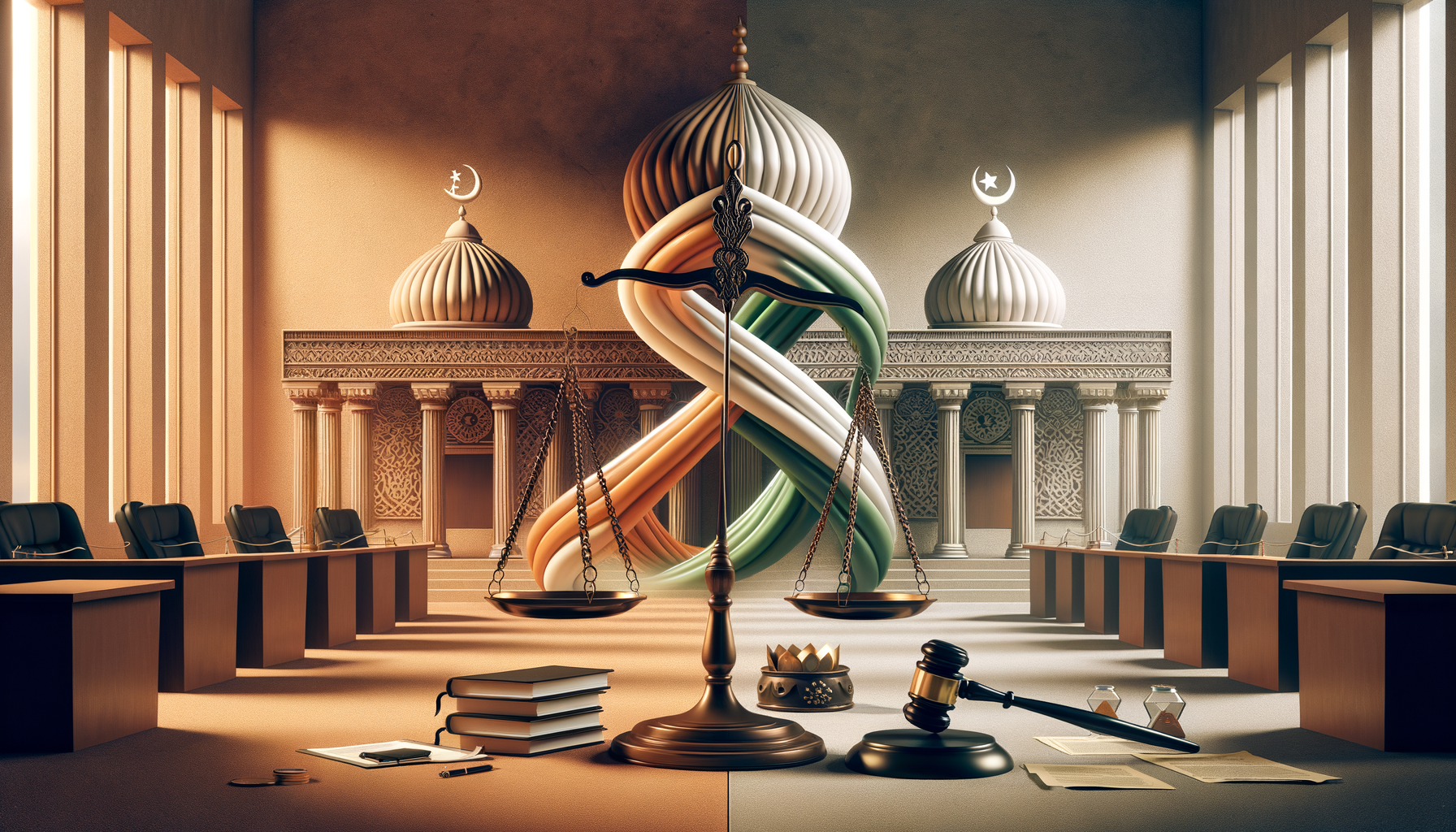
On December 26, the Supreme Court of India is slated to consider a plea seeking to restrain Prime Minister Narendra Modi’s visit to the Ajmer Sharif dargah, as well as the customary presentation of a chadar on behalf of the Government of India. The petition places the Court at the intersection of constitutional law, public expenditure, and India’s long tradition of interfaith engagement.
For centuries, the Ajmer Sharif dargah of Khwaja Moinuddin Chishti has drawn devotees from across communities, including Hindus, Muslims, Sikhs, and Jains. The ceremonial chadar offering by public representatives has often been understood as a gesture of respect toward a shared spiritual heritage rather than endorsement of any single creed.
The current plea, filed by certain groups, reportedly advances the argument that the site has an underlying claim as a Shiva temple and therefore seeks judicial directions to bar the visit and the official chadar. It frames its case around concerns of secular governance, propriety in the use of public funds, and possible law-and-order implications. These assertions remain allegations to be examined by the Court in accordance with established procedure.
An equally prominent public perspective emphasizes that Ajmer Sharif symbolizes India’s inclusive civilizational ethosone in which dharmic traditions such as Hinduism, Buddhism, Jainism, and Sikhism, alongside Sufi lineages, have coexisted and enriched one another. Many citizens associate the shrine with compassion, seva, and unity, seeing it as a bridge that softens communal divides and nurtures Hindu-Muslim unity.
From a legal standpoint, the hearing may touch on several issues: the contours of secularism under the Constitution, the limits (if any) on ceremonial acts by the executive, standards for the use of public resources in faith-related contexts, locus standi of petitioners in matters of executive discretion, and the threshold for judicial intervention where competing histories and sentiments are in play.
Viewed through a civilizational lens, the moment calls for a calm, dialogue-first approach that honors India’s plural heritage. The dharmic value of sahishnutatoleranceencourages respectful disagreement without erasing shared bonds. Public discourse that prioritizes dignity and empathy can strengthen national cohesion even amid contestation.
Whatever the judicial outcome, constructive engagement offers a path that both safeguards constitutional norms and reinforces interfaith respect at Ajmer Sharif dargah. The proceedings on December 26 will be closely watched as a test of how law, faith, and public sentiment can be harmonized in service of unity.
Inspired by this post on Struggle for Hindu Existence.