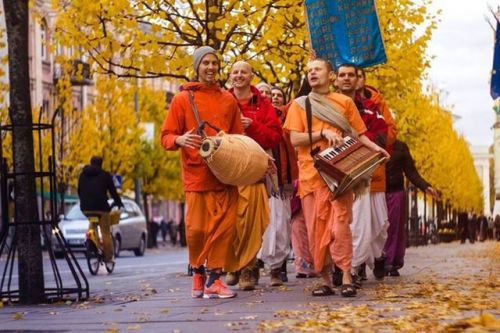

A recent public talk before a diverse Indian audience, including many Krishna devotees, became an invitation to reflect on Vasudhaiva Kutumbakam—“the whole world is one family.” The phrase resonated deeply, yet it also surprised listeners; several had not encountered it explicitly, even though its spirit quietly shapes everyday life, community bonds, and shared ethical commitments across traditions.
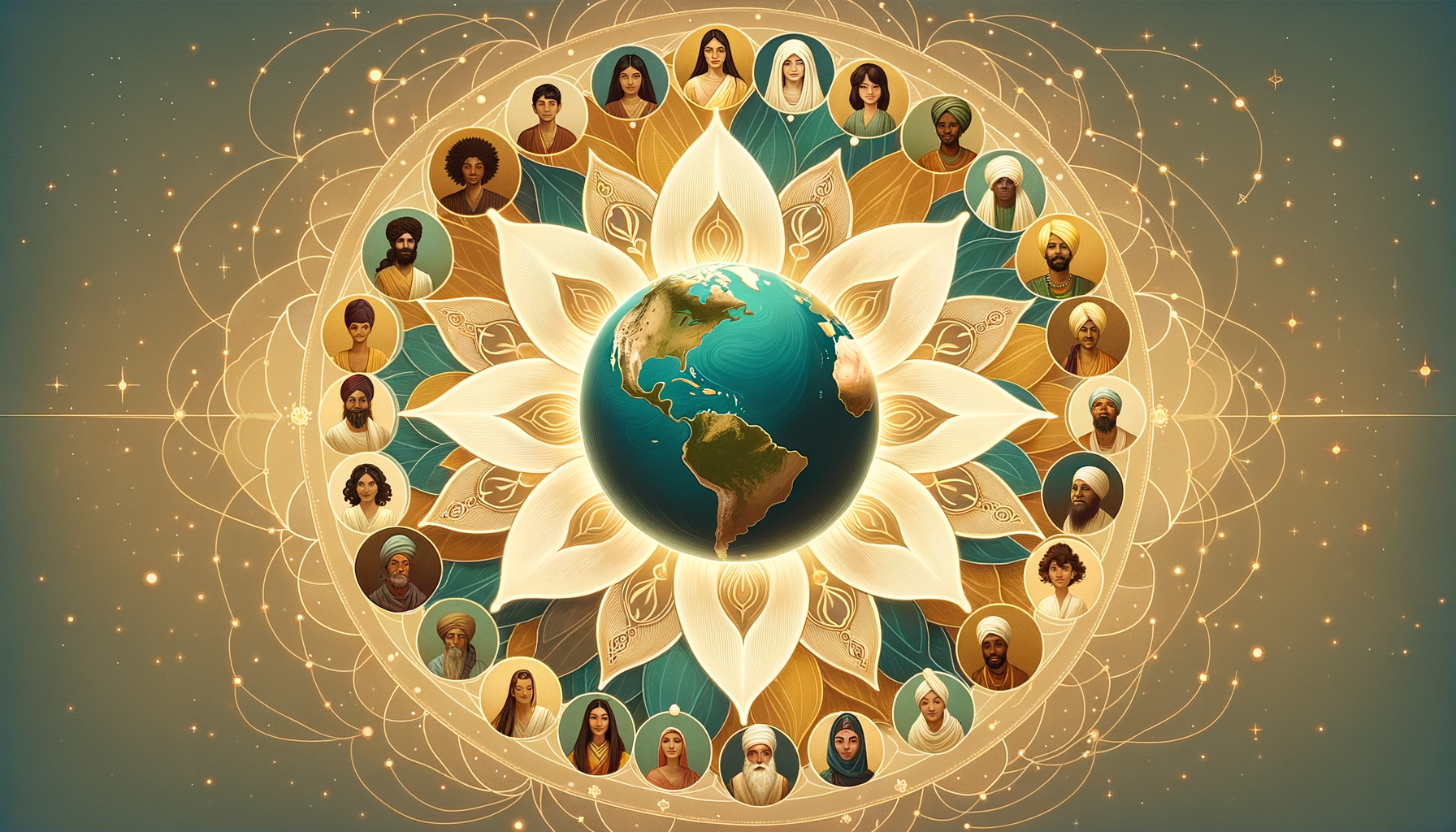
Vasudhaiva Kutumbakam, rooted in the Sanskrit wisdom corpus and often associated with the Maha Upanishad (VI.72), distills an expansive ethic of belonging. The well-known line “ayam nijah paro veti” critiques narrow identification with the ‘self’ and ‘other,’ while “udāra-charitānām tu vasudhaiva kutumbakam” affirms that those of broad vision recognize the entire world as kin. This philosophical clarity offers a practical antidote to polarization and invites a living experience of unity in diversity.
Across dharmic traditions, this vision finds parallel expressions. In the Bhagavad-Gita (6.29), the yogic seer perceives the Self in all beings and all beings in the Self, illuminating a shared spiritual ground. Buddhism’s Mettā Sutta cultivates boundless loving-kindness, dissolving divisions through compassion. Jain thought enshrines “parasparopagraho jīvānām,” the mutual interdependence of all life, amplified by ahimsa and anekāntavāda. Sikh practice embodies “sarbat da bhala,” seeking the welfare of all. Together, Hinduism, Buddhism, Jainism, and Sikhism articulate complementary paths toward interfaith harmony and global community.
In that hall, the atmosphere shifted from curiosity to recognition. Listeners reflected on how family rituals, local seva, and inclusive festivals already mirror this ideal. The simple acknowledgment that neighbors, colleagues, and even strangers share a deeper kinship softened hesitation and sparked thoughtful dialogue. Moments like these nurture cultural heritage while advancing a compassionate public ethos.
Living Vasudhaiva Kutumbakam can begin with small, steady practices: hosting inclusive celebrations that welcome different faiths; supporting seva that serves the marginalized without barriers; creating dialogue circles where diverse perspectives are heard respectfully; and encouraging school and community programs that teach empathy, nonviolence, and shared responsibility. Such actions strengthen community cohesion, deepen intercultural exchange, and translate spiritual insight into social impact.
As a unifying compass, Vasudhaiva Kutumbakam guides the Indian diaspora and global citizens alike toward ethical leadership, mutual respect, and collective wellbeing. By honoring spiritual plurality—Ishta, diverse forms of worship, and multiple paths—society advances a mature vision of unity in spiritual diversity. In times that test solidarity, this timeless principle offers a practical framework for love and tolerance, sustained interfaith dialogue, and resilient, compassionate communities.
Inspired by this post on Dandavats.