The PanchamahabhutaPrithvi (earth), Jal (water), Agni (fire), Vayu (air), and Akasha (space)form a foundational idea in Hindu philosophy, symbolizing the material and subtle principles that pervade existence. In this integrated view, the elements are not merely physical substances but living symbols of stability, flow, transformation, movement, and vastness. Understanding these elements deepens insight into Hindu symbols, temple traditions, and contemplative practice, while also illuminating shared threads across dharmic traditions.
Across the dharmic spectrum, these elemental principles encourage unity rather than division. Buddhism reflects the Mahabhuta framework (earth, water, fire, airoften including space) in meditative analysis of experience; Jainism reveres elemental life-forms and situates Akasha within a larger cosmology of realities; Sikh scripture affirms the sacred ecology of existence in the verse “pavan guru pani pita mata dharat mahat.” Together, these perspectives affirm a common ethical and spiritual vision: humans flourish when aligned with nature’s order and when cultivating inner harmony.
Hindu thought often correlates the elements with senses and inner development: earth with smell and grounding, water with taste and adaptability, fire with sight and discernment, air with touch and freedom, and space with sound and subtle awareness. In yogic mapping, the elements correspond to energy centersmuladhara (earth), swadishtana (water), manipura (fire), anahata (air), and visudha (space)offering a contemplative grammar for cultivating stability, creativity, courage, compassion, and clarity.
Elemental deities are presented through multiple canonical lineages. A Vedic association commonly recognizes Bhumi or Prithvi Devi (earth), Varuna (water), Agni (fire), Vayu (air), and Akasha as the subtle field in which sound (shabda) and order manifestfrequently linked to Brahma or to Shiva’s cosmic dance (Nataraja) that reveals space and rhythm. These associations vary by sampradaya, yet all convey the same philosophical core: elements are vehicles of dharma and self-knowledge.
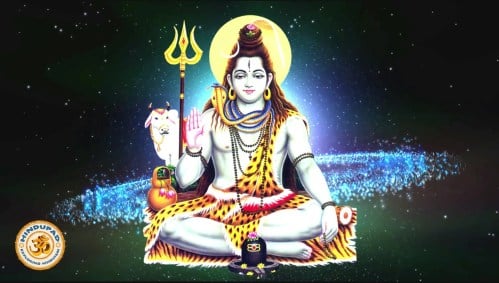
Within Shaiva traditions, the Pancha Bhoota Sthalams articulate the elements through five sacred forms of Shiva: Ekambareswarar at Kanchipuram (Prithvi), Jambukeswarar at Thiruvanaikaval (Jal), Arunachaleswarar at Tiruvannamalai (Agni), Kalahasteeswara at Srikalahasti (Vayu), and Nataraja at Chidambaram (Akasha). Pilgrimage to these temples is experienced as a journey from the gross to the subtlegrounding in earth, purification by water, ignition through fire, liberation in air, and dissolution into the spacious awareness of ether.
Symbolically, each element carries ethical and contemplative cues. Earth invokes steadiness, responsibility, and protection of Mother Earth; water invites empathy and renewal; fire cultivates courage, discernment, and transformative tapas; air encourages freedom, balance, and spacious relationships; space fosters listening, silence, and reverence for the unseen. Read together, these qualities form a practical sadhana for modern lifeanchored in Hindu symbols yet accessible to all seekers.
Devotees and practitioners often describe relatable, embodied encounters with the elements: the scent of rain-soaked soil that restores calm; a sacred river’s touch that softens the heart; the steady gaze of a lamp that clarifies thought; a mountain breeze that loosens anxiety; the resonant silence of a garbhagriha that opens inwardness. Such experiences make the philosophy immediatewhere symbolism, ritual, and daily life converge.
Textual lineages reinforce this vision. Vedic hymns honor elemental deities as custodians of cosmic order; Upanishadic reflections highlight Akasha as the subtlest field in which sound and meaning arise; Puranic narratives embody elemental ethics in stories of protection, sacrifice, and renewed harmony. Together, they present a coherent, living pedagogy that integrates philosophy, ritual, and ecological responsibility.
Contemplative practice can unify insight and action. Simple pranayama refines Vayu awareness; lighting a diya honors Agni and clarifies intention; river pilgrimage and water conservation jointly sanctify Jal; mindful walking restores connection to Prithvi; periods of silence, mantra-japa, and attentive listening cultivate Akasha. In this way, spiritual symbols become frameworks for ethical living and societal well-being.
Seen through a dharmic lens, the Panchamahabhuta invites shared celebration across Hinduism, Buddhism, Jainism, and Sikhism. The elements affirm a common groundinner balance, ecological reverence, and compassionate action. Embracing this unity honors tradition while guiding a thoughtful, modern practice aligned with both personal growth and collective harmony.
Inspired by this post on Hindu Blog.