Hinduism is frequently misread as a tradition built on the supernatural, yet its philosophical core consistently emphasizes supersensual knowledgeinsights that transcend the five senses while remaining anchored in reason, disciplined practice, and experiential verification. This distinction clarifies that Sanatana Dharma privileges direct realization (anubhava) over spectacle, guiding seekers toward truths that the senses cannot capture but the intellect and contemplative inquiry can apprehend.
Supersensual knowledge, as found in the Upanishads, Vedanta, and Yoga philosophy, does not negate rationality; it expands it. Classical pramāṇa theory (means of valid knowledge)including pratyakṣa (perception), anumāna (inference), and śabda (authoritative testimony)illustrates a rigorous method by which claims are assessed. The aim is not a rejection of the empirical, but a recognition that consciousness and ultimate reality require modes of knowing beyond sense-data while remaining coherent, testable in practice, and consistent with reason.
This perspective stands apart from the supernatural by refusing to suspend natural law. Yogic meditation, breath regulation (prāṇāyāma), and ethical living (yama-niyama) produce repeatable outcomesclarity of mind, compassion, and steady attentionthat can be observed, documented, and refined. In this way, Hindu philosophy advances a form of rational mysticism: interior methods yield verifiable changes in cognition and character without appealing to miracle as proof.
Canonical sourcesfrom the Upanishads to the Yoga Sūtra and the logical schools of Nyāya and Vaiśeṣikapresent a spectrum of inquiry that is both analytic and contemplative. Advaita Vedanta expresses the non-dual realization of ātman and Brahman through inquiry, while Sāṅkhya clarifies distinctions between puruṣa and prakṛti via systematic reasoning. Across these traditions, the emphasis remains on well-reasoned insight validated by disciplined experience rather than on claims of the supernatural.
This methodological clarity also supports unity among the broader dharmic family. Buddhism centers experiential insight through meditation and mindful observation, Jainism articulates Anekantavadaan openness to multiple, partial perspectives of truthwhile Sikhism elevates living wisdom through Naam Simran and ethical commitment. Together, these traditions affirm that spiritual knowledge is accessible through practice, reflection, and moral integrity, fostering interfaith respect and shared purpose.
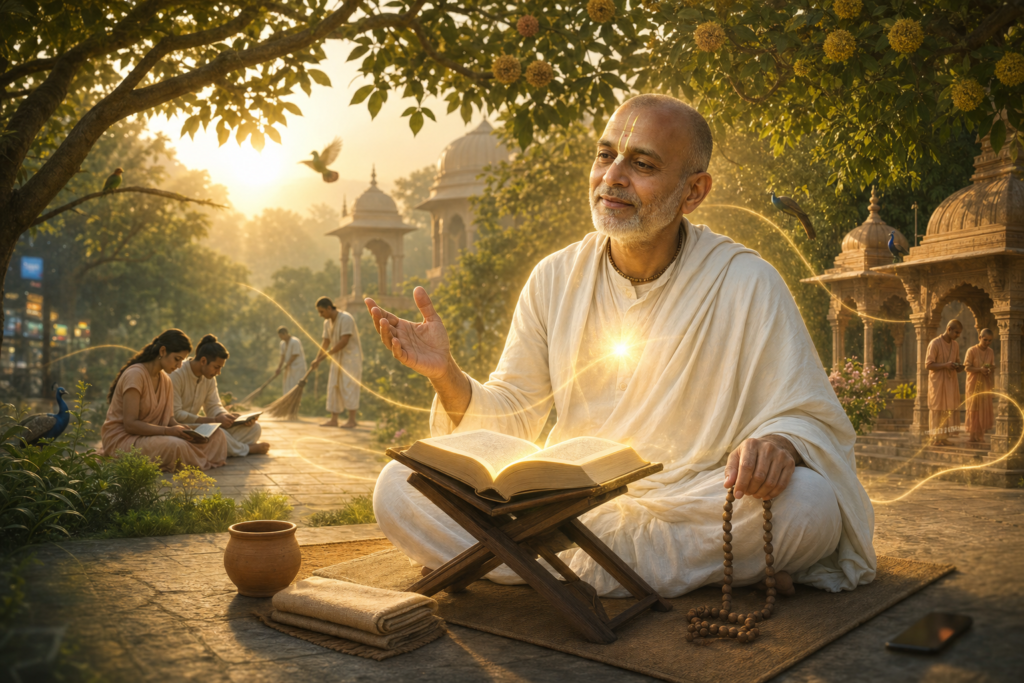
Contemporary practitioners often illustrate this approach in daily life. A student of Yoga reports measurable improvements in attention and emotional balance; a meditator notes a reduction in reactivity and an increase in empathy; a devotee engaged in japa or contemplation experiences enduring calm and clarity. These outcomes are not framed as supernatural events but as the fruits of methodical sādhanā that anyone can pursue, evaluate, and refine.
By foregrounding supersensual knowledge over the supernatural, Hinduism encourages a culture of inquiry that welcomes dialogue with philosophy, science, and psychology. This ethos strengthens social harmony by aligning spiritual growth with reasoned discourse, shared ethical values, and respect for diverse paths. In doing so, it offers a unifying framework for Hinduism, Buddhism, Jainism, and Sikhismtraditions that value experiential reality, rational reflection, and compassionate living as the basis for spiritual progress.
Ultimately, the promise of Sanatana Dharma is practical and inclusive: refined methods of introspection, ethical action, and contemplative understanding lead to reliable insight into consciousness and reality. This is supersensual, not supernaturalan invitation to disciplined experience, critical thinking, and unity across dharmic traditions in pursuit of truth (satya) and well-being.
Inspired by this post on Hindu Blog.