In a scientific age defined by discovery and innovation, humanity continues to explore the vastness of the cosmos while often overlooking the profound reality within. Across dharmic traditions, the insight endures that the deepest truth resides in the inner self, and that genuine understanding of the Supreme Truth emerges through shraddha (faith) and dhyana (meditation). This reflection reframes cosmic power not as a distant force, but as a living presence accessible through disciplined awareness and ethical living.
The idea of an indwelling cosmic power aligns with core principles shared by Hinduism, Buddhism, Jainism, and Sikhism. In Hindu thought, the atman is inseparable from the Supreme; in Buddhism, the luminosity of mind is revealed through mindful awareness; in Jainism, the jiva’s purity shines when freed from karmic obscurations; in Sikhism, remembrance of Ik Onkar harmonizes inner and outer life. Despite distinct vocabularies, these traditions converge on a unifying message: inner realization is the path to self-knowledge, compassion, and peace.
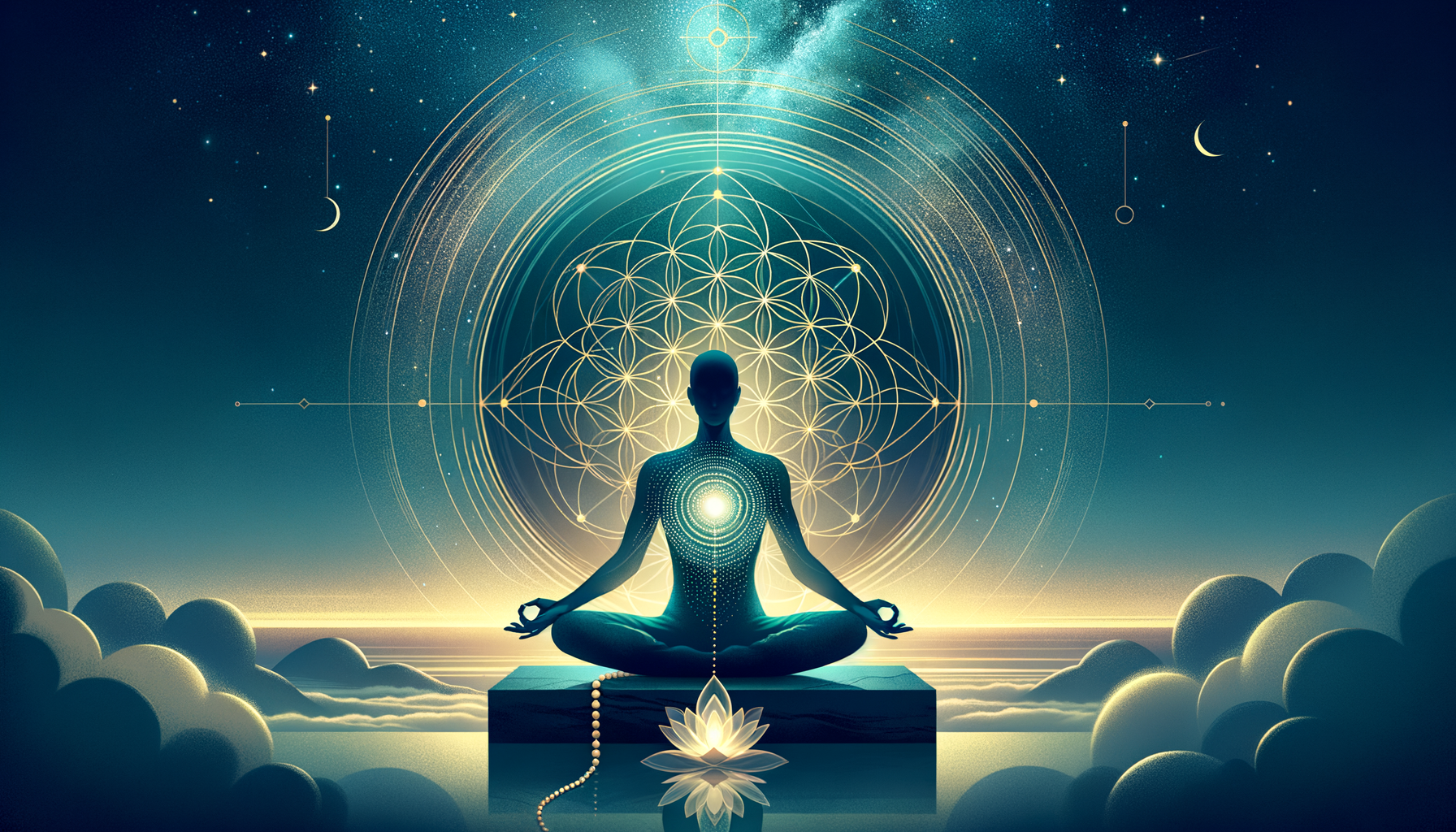
Faith, understood academically as disciplined trust grounded in experience, is not blind assent but a stabilizing orientation of the mind. Meditation complements this orientation by cultivating clarity, equanimity, and discernment. Together, faith and meditation refine perception, turning attention from restless speculation toward contemplative certainty. This deliberate integration of reason and contemplation enables seekers to move from intellectual curiosity to transformative insight.
Periods of moral strain and social turbulence often test the resilient and the pious alike. When anxiety intensifies and public discourse grows fractious, a return to inner stillness offers a reliable remedy. Practices such as mindful breathing, mantra-japa, and contemplative prayer soften reactivity, while seva (selfless service) and ahimsa (non-harm) translate inner clarity into compassionate action. Many readers will recognize how even brief daily moments of silence can recalibrate attention, restore courage, and open space for empathy.
Practical, simple disciplines illuminate this universal path: setting aside time for dhyana, anchoring the day with gratitude, aligning conduct with satya (truth) and ahimsa, and participating in satsang that welcomes the plurality of dharmic voices. Such habits gradually transform distraction into one-pointedness, doubt into steadiness, and isolation into community. The cumulative effect is tangible—greater inner peace, ethical coherence, and a deepened sense of shared humanity.
Contemporary research into contemplative practices increasingly corroborates what dharmic wisdom has long maintained: sustained meditation supports mental clarity, emotional regulation, and prosocial behavior. Yet the lasting value of these practices exceeds measurable benefits. The deeper promise lies in self-realization—an awakening to the cosmic power within—that orients life toward meaning, service, and unity.
Viewed through this integrative lens, faith in cosmic power becomes neither sectarian nor abstract. It is a unifying principle that honors the diversity of spiritual paths while affirming a common destination: inner freedom and universal compassion. In times of uncertainty, this synthesis of shraddha and dhyana stands as a comprehensive remedy—grounded in perennial wisdom, validated by lived experience, and open to all who seek the Supreme Truth within.
Inspired by this post on Hindu Pad.