
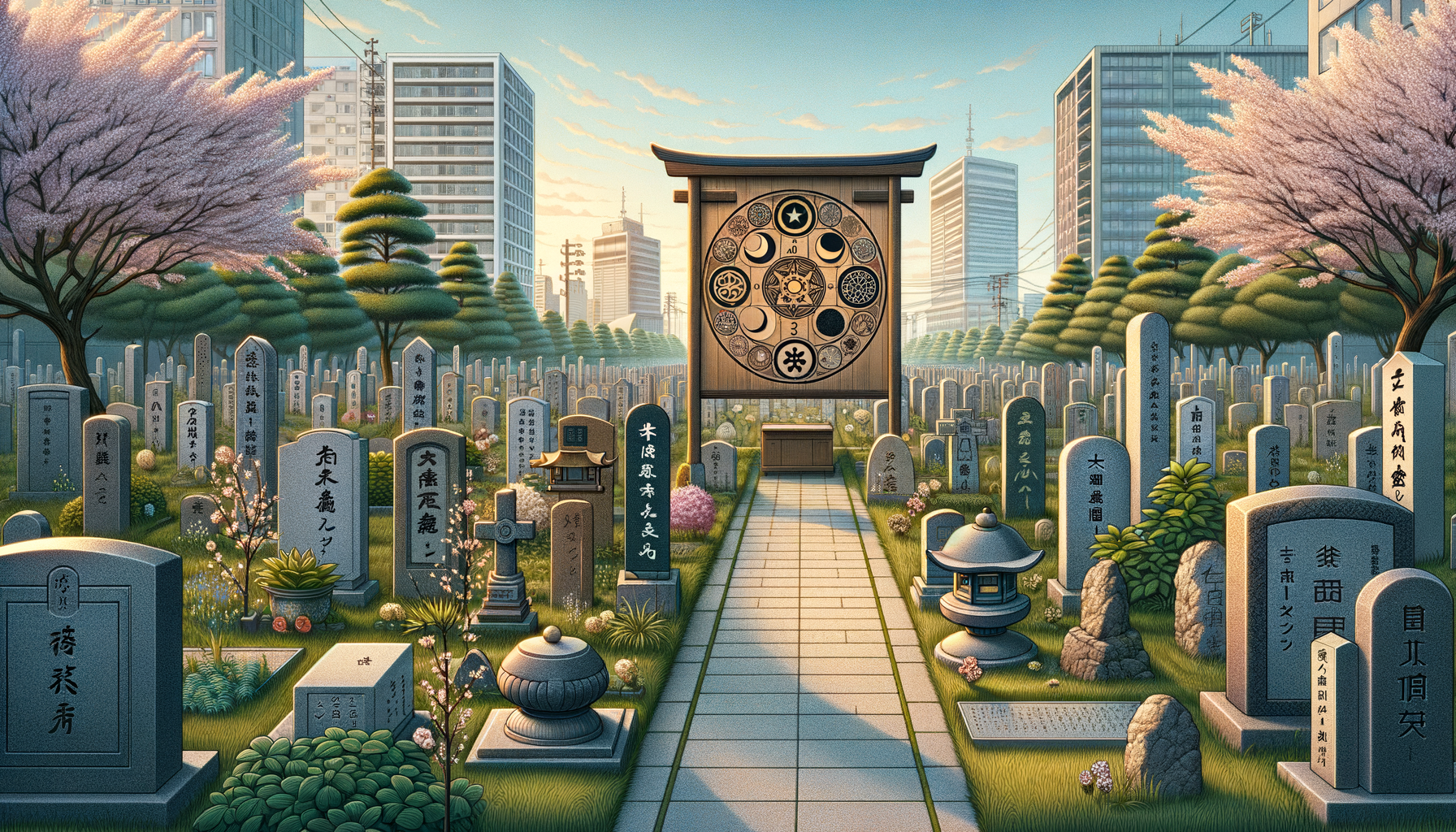
Japan has declined a proposal to establish separate cemeteries for Muslims, citing long-standing cultural traditions and severe land scarcity. The decision highlights a real-world policy tension familiar to many urban societies: how to balance limited space with the need to honor diverse religious practices. Framed constructively, the development invites a deeper interfaith dialogue on practical accommodation without segregation, while affirming a commitment to community cohesion.
At the center of the policy rationale are two widely recognized factors. First, funerary customs in Japan have for generations centered on cremation, a practice that aligns with social norms, municipal regulations, and environmental standards. Second, urban land is scarce and carefully zoned, making the expansion of dedicated burial grounds particularly challenging. In such a context, creating new, faith-specific cemeteries can become logistically and administratively complex.
For Muslim communities, the need for burial rather than cremation is central to religious life, making this decision sensitive and deeply personal. Yet, the outcome need not be read as a rejection of religious pluralism; rather, it can be interpreted as an invitation to pursue inclusive solutions within existing constraints. Many civil society groups and municipal stakeholders worldwide have navigated similar questions by prioritizing equal access within shared spaces.
From the perspective of interfaith harmony, inclusive models often outperform separate arrangements. Multi-faith sections within public cemeteries, clear guidelines for burial timelines, and inter-municipal cooperation can create roomliterally and figurativelyfor all. Such approaches avoid segregation, reduce administrative burden, and maintain alignment with environmental and zoning standards, while upholding the dignity of distinct religious rites.
Insights from dharmic traditionsHinduism, Buddhism, Jainism, and Sikhismoffer constructive pathways toward coexistence. These traditions have long emphasized compassion, dignity in death, and respect for diverse spiritual journeys. Principles such as sarva-dharma-samabhava underscore that equal regard for all paths can coexist with local norms and resource realities. In practice, this points to solutions that preserve cultural traditions even as they create inclusive, shared civic spaces.
Policy mechanisms can translate these values into action: consultation frameworks with faith leaders, pilot projects for green burials within existing cemeteries, transparent environmental assessments, and public communication that clarifies the distinction between land-use policy and religious acceptance. Such measures foster trust, demonstrate good governance, and prevent polarizing narratives from eroding community bonds.
Ultimately, the issue is not a binary choice between tradition and inclusion. With careful planning and empathetic dialogue, Japanese authorities and faith communities can advance practical accommodationswithin shared cemeteries or multi-faith sectionsthat honor religious obligations while respecting land and regulatory constraints. This balanced course strengthens interfaith relations, safeguards cultural heritage, and deepens social cohesion.
Inspired by this post on Hindu Jagruti Samiti.










