Reports from New Delhi on February 7, 2026 indicate that Netflix’s title ‘Ghooskhor Pandat’ has triggered nationwide protests, with several Brahmin community organizations and allied civil society groups expressing strong objection to the phrase. The Vishwa Hindu Parishad (VHP) has flagged the title as offensive and signaled intent to pursue legal remedies, while parallel calls for a boycott of the film and the platform have gained visibility across social media and select city demonstrations.
Protesters argue that the wording of ‘Ghooskhor Pandat’ risks normalizing a pejorative association between corruption and a community historically linked to priestly and scholarly roles in Hindu society. While creative freedom remains protected in principle, stakeholders emphasize that cinematic representation carries social impact, especially when titles serve as the most public-facing and searchable element of a production in India’s diverse media ecosystem.
According to statements attributed to the VHP, available options include seeking relief under applicable legal provisions that address deliberate and malicious acts intended to outrage religious feelings, alongside complaints to relevant content oversight bodies. Such efforts, as articulated by protest organizers, aim to secure either a title change, clarificatory disclaimers, or an official acknowledgement of unintended offense.
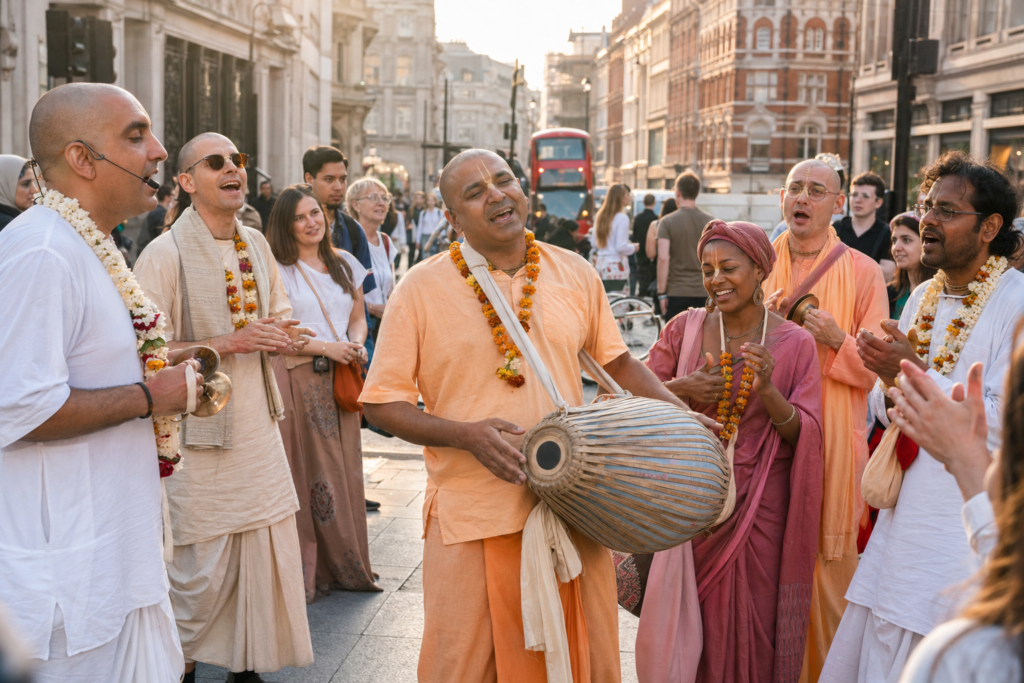
Public demonstrations have been described as largely organized and peaceful, with participants distributing explanatory leaflets, meeting local administrators, and urging platform representatives to engage in dialogue. Online, trending hashtags reflect a polarized debate, ranging from demands for withdrawal to defenses grounded in artistic freedom. The multiplicity of responses underscores the broader tension between free expression and cultural sensitivity in a plural society.
Viewed through the lens of India’s cultural discourse, the episode highlights an ongoing need for robust content review protocols and stakeholder consultationparticularly when narratives intersect with religion, caste, or community identities. Academic and media ethics frameworks consistently recommend sensitivity audits, impact assessments, and timely, good-faith communication to reduce the risk of perceived stereotyping or Hinduphobia.
Constructive resolution pathways have been proposed by community leaders and policy observers. These include: convening a multi-stakeholder dialogue among platform representatives, cultural scholars, and community delegates; adopting self-regulatory guidelines for titles and promotional materials; transparently issuing context-setting notes or disclaimers; and instituting pre-release consultations for high-salience content.
Importantly, the moment also invites a unifying perspective across dharmic traditionsHinduism, Buddhism, Jainism, and Sikhismeach of which values dignity, compassion, and restraint in public discourse. Sensational framings often fracture social trust; by contrast, measured engagement advances religious harmony, strengthens Unity in Diversity, and fosters cultural sensitivity without undermining artistic exploration.
As developments continue, observers emphasize adherence to lawful, non-violent avenues of redress and open channels for respectful negotiation. Regardless of final outcomes, the ‘Ghooskhor Pandat’ controversy will likely be referenced in future discussions on cinematic representation, community sentiments, and the evolving standards that guide content platforms in India’s complex, multicultural media landscape.
Inspired by this post on Struggle for Hindu Existence.