Composed in Sanskrit, the Ramayana has long transcended linguistic and geographic boundaries. As the epic moved from its original milieu into regional and vernacular traditions, each language carried forward its own aesthetics, values, and historical memory. This same dynamic played out beyond India, where foreign literary sources reinterpreted Lord Rama’s narrative and preserved its ethical core for new audiences.
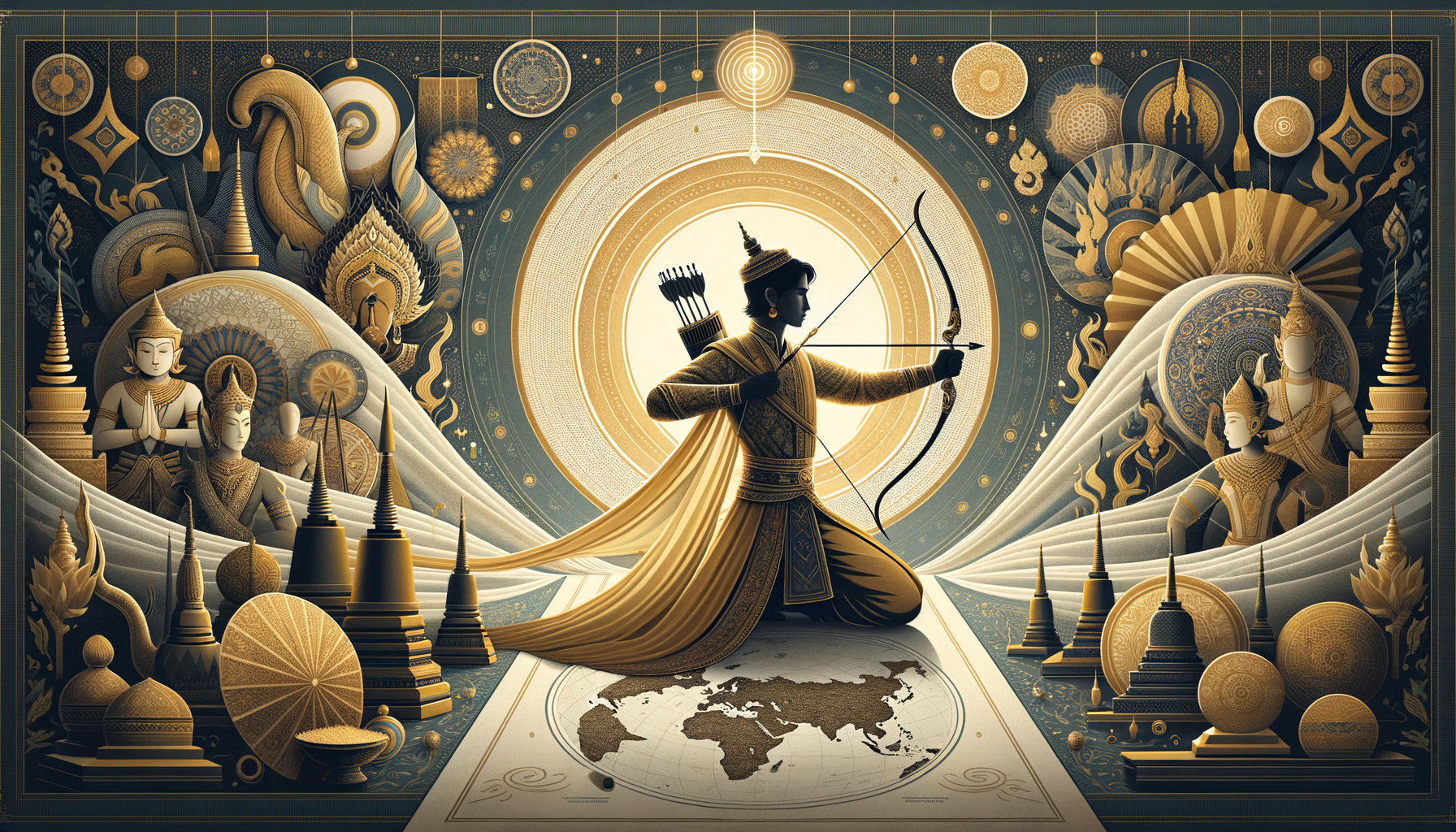
Across Southeast Asia, the Ramayana flourished as a shared civilizational archive. Notable reimaginings include the Thai Ramakien, the Cambodian Reamker, the Lao Phra Lak Phra Lam, the Burmese Yama Zatdaw, the Old Javanese Kakawin Ramayana, and the Malay Hikayat Seri Rama. These epics harmonize local poetics with the universal ideals of dharma, devotion, and righteous kingship. The continuity of characters and themesRama, Sita, Lakshmana, and the triumph of ethical actionreflects a deep cultural exchange that strengthens bonds among dharmic and kindred traditions in the region.
In the Islamicate Persianate world, the Mughal court sponsored refined Persian renderings of Valmiki’s epic, pairing literary translation with exquisite illustrated manuscripts. Through the atelier culture of the sixteenth century, court scholars produced versions that made Lord Rama’s story accessible to Persian readers while preserving its moral architecture. This translation movement exemplified dialogue across faiths and languages, demonstrating how narrative beauty and ethical inquiry can bridge communities.
Buddhist literature likewise embraced Rama’s narrative. The Dasaratha Jataka presents Rama within a Bodhisattva framework, underscoring virtues such as truthfulness, self-mastery, and compassionate governance. Read alongside Hindu tellings, such sources illuminate a shared dharmic vocabularywhere the pursuit of ethical life and the cultivation of inner strength are celebrated across Buddhism and Hinduism. Such intersections enrich a collective spiritual heritage that also invites respectful conversation with Jain and Sikh strands of ethical reflection.
From the eighteenth and nineteenth centuries onward, European philologists and translators introduced the Ramayana to global academic and literary circles through English, French, and German editions. These efforts catalyzed comparative literature, historical linguistics, and world literature studies, situating Lord Rama’s narrative within a broader conversation on ancient texts, moral philosophy, and cultural heritage. The result is a cumulative, transregional scholarship that recognizes the Ramayana as a living epic with enduring relevance.
Today, engaging with foreign literary sources on Lord RamaSoutheast Asian epics, Persian translations, and global academic studiesoffers more than historical insight. It provides a lens on how communities shape universal ideals to local contexts while sustaining a core ethical message. For readers and researchers alike, these works exemplify unity-in-diversity: a civilizational conversation that honors plural paths, deepens empathy, and affirms the shared values at the heart of dharmic traditions.
Inspired by this post on Hindu Pad.