-
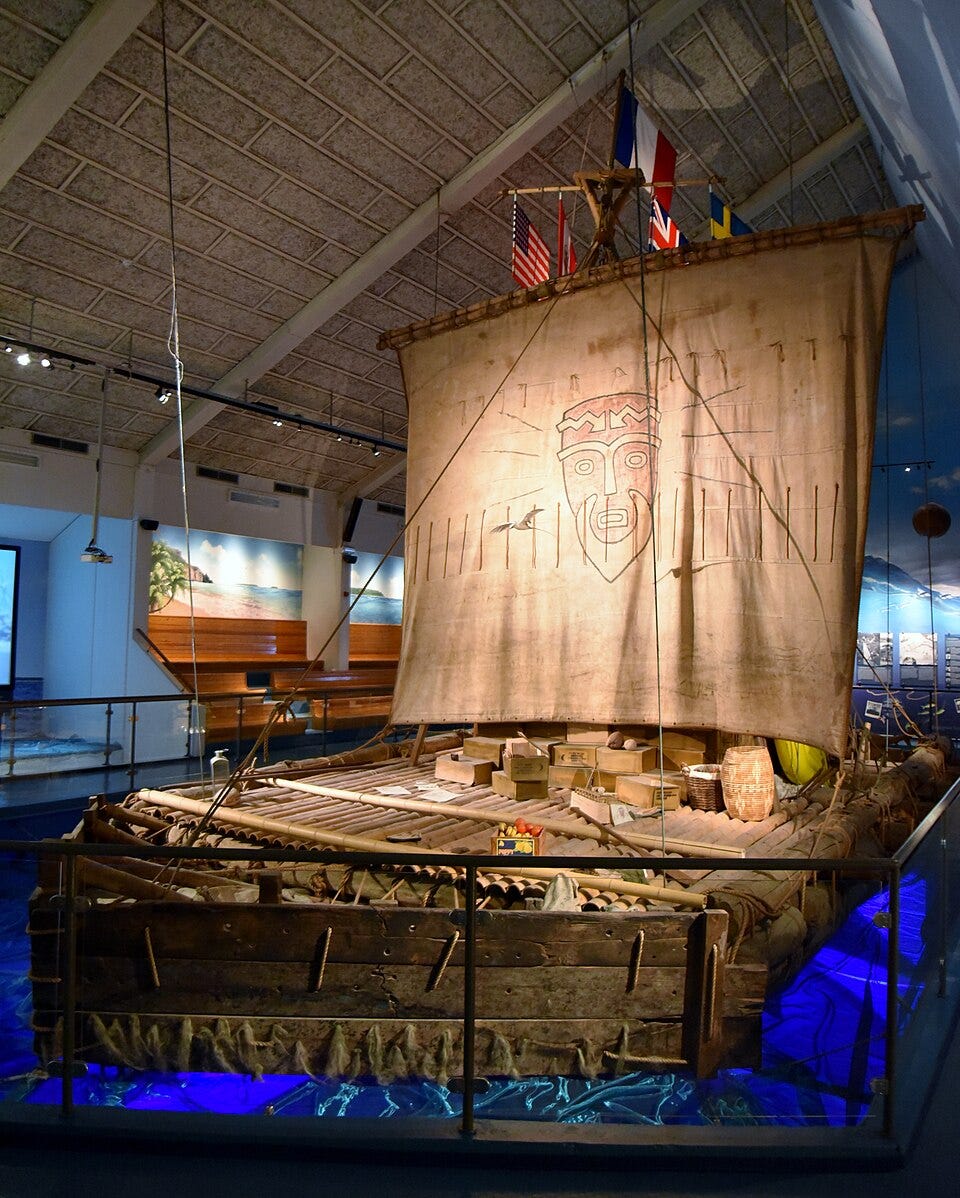
Kon‑Tiki’s Daring Proof: 5,000 Miles on a Balsa Raft—and What It Revealed About Polynesia

Kon‑Tiki tested an audacious question in maritime history: could a prehistoric-style balsa raft ride Pacific currents from Peru to Eastern Polynesia? Built with period-faithful materials and steered by guara centerboards and a square sail, the raft launched in April 1947 and made landfall at Raroia after roughly 101 days, validating transport feasibility. The expedition proved…
-
Kurukula, Sentinel of the Indian Ocean: The Shakta Goddess Who Shielded Merchants and Mariners

Kurukula (Kurukkula) emerges in medieval Indian Ocean history as a Śākta-Tantric guardian whose magnetizing protection appealed to merchants, navigators, and port communities. Evoked for safe voyages, fair winds, and ethical commerce, she bridged temple worship and mercantile practice across Gujarat, the Konkan, Kerala, Tamil regions, Odisha, and Bengal. Her iconography and mantra-semantics of attraction (ākarṣaṇa)…
-
Lord Rama’s Timeless Journey Abroad: Persian Translations and Southeast Asian Epics

The Ramayana’s journey beyond India reveals how Lord Rama’s story took root in foreign literary traditions while preserving its ethical core. Southeast Asian epics—from the Ramakien to the Reamker—blend local aesthetics with universal dharma. Persian translations at the Mughal court opened the epic to new audiences through refined prose and illustrated manuscripts. Buddhist tellings, such…
-
The Sprawling Heritage of the Hindu Legal System in Bali and Java

The Hindu cultural conquest of Southeast Asia remains unique in history. Ancient Indian colonists brought civilization, art, religion, and legal systems, profoundly influencing Bali and Java. This post explores how these regions voluntarily embraced and modeled their societies after Hindu culture, highlighting Nehru’s betrayal of these ancient ties.