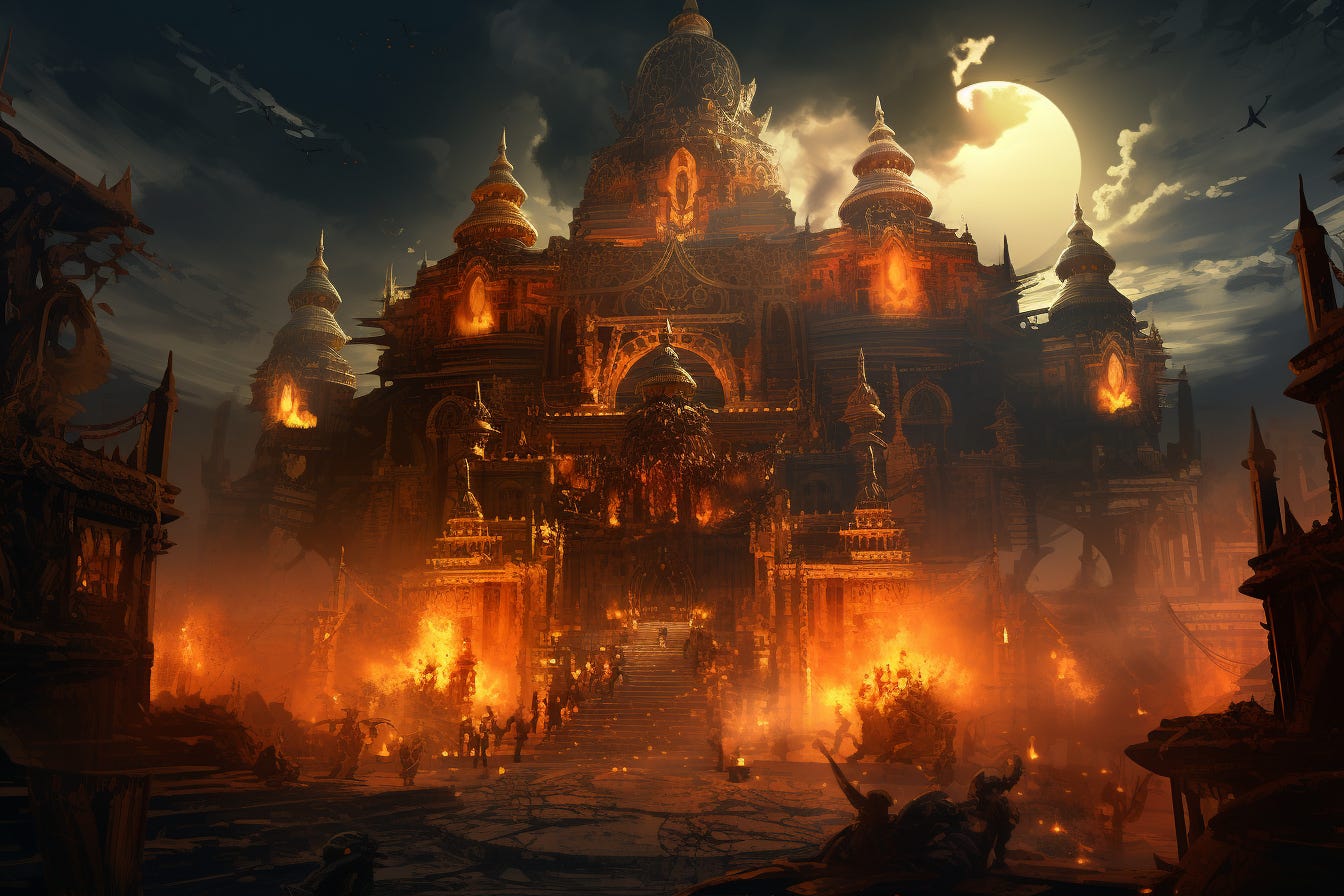
As I delve into the profound losses incurred when a Hindu temple is destroyed, I am reminded of the rich cultural tapestry that these sacred spaces embody. Hindu temples are not merely places of worship; they are lifelines of cultural heritage, artistry, and community traditions. When they are demolished, an irreplaceable part of history is lost.
Recently, I reflected on the resilience of temples like the majestic Somanatha Devalaya, which was rebuilt in 1951. Despite enduring repeated destruction, it stands today as a testament to the enduring spirit of our ancestors. This spirit is mirrored in various art forms that have survived through the centuries, such as Natyamelas and Harikata, which continue to thrive and transmit our cultural narratives.
Historian Sita Ram Goel vividly describes the relentless wave of destruction that began with the Islamic invasions, targeting the heart of Hindu cultureour temples. This eight-century-long saga of devastation saw the replacement of temples with mosques and other Islamic structures, erasing a significant part of our religious and cultural identity.
The loss isn’t just architectural; it’s a loss of cultural memory. I recall visiting the ruins of ancient temples, like the Neelakantha Temple in Rajasthan, and feeling the weight of forgotten histories. These structures once echoed with the vibrant life of communities but now sit in disrepair, forgotten by the very people whose heritage they represent.
Each temple destruction not only signifies the physical loss but also the erasure of practices, traditions, and knowledge unique to the communities around them. The stories of places like Moolasthana in Pakistan, where a Sun Temple was replaced by a mosque, highlight this irreversible cultural loss. The art, customs, and traditions once vibrant in these regions are now only faint echoes of their former glory.
I am drawn to the stories from villages like Ummatur, which was once a thriving capital under the Vijayanagara Empire. Today, its historical significance is largely unknown to its residents. These tales remind me of our collective responsibility to preserve and honor our cultural heritage.
Reflecting on the ongoing challenges, I realize that the destruction of temples is not just an attack on structures but an assault on the very fabric of our identity. It’s a reminder of the cultural neglect that persists even after decades of independence. We must strive to safeguard what remains and resurrect what has been lost, ensuring that future generations can connect with their rich heritage.
In conclusion, the destruction of Hindu temples is a profound loss that extends beyond the physical realm. It is the erasure of memory, tradition, and identity. As we move forward, it is crucial to reflect on these truths and work towards preserving the sanctity and legacy of our cultural monuments.