By Dr. Baladeva Dasa.
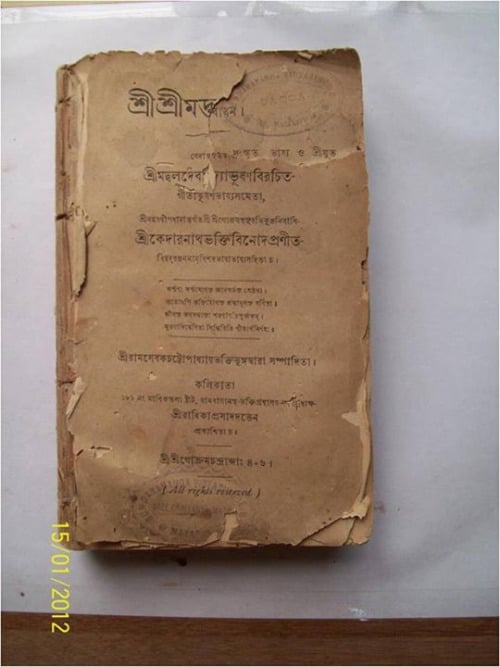
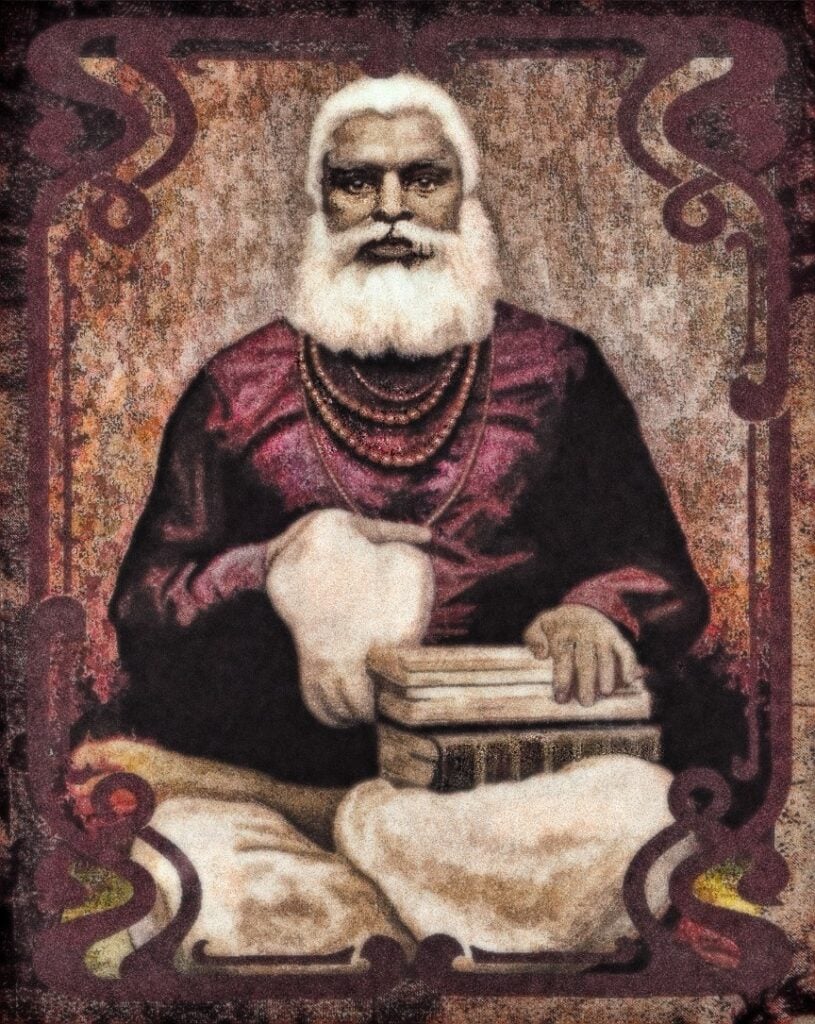
The release of Kavya-kaustubha, composed by Sri Baladeva Vidyabhusana, is now available in English for the first time. This milestone offers a clear and structured entry point into Sanskrit poetics (kavya-shastra) for students, educators, and researchers seeking a reliable foundation in the aesthetics of classical Indian literature.
As one of Vidyabhusana’s independent works, Kavya-kaustubha presents the basic elements of Sanskrit poetics with notable precision. Each definition is followed by illustrative examples, enabling readers to see concepts in action and to connect theoretical categories with literary practice. The format supports careful study, comparative analysis, and practical application across a wide range of texts.
The English presentation makes this important treatise accessible without diluting its rigor, inviting both first-time learners and seasoned readers to deepen their understanding of Sanskrit literature. Its clarity and organization are particularly helpful for classroom teaching, self-study, and academic discussion, where concise definitions and apt examples reduce ambiguity and foster confident interpretation.
The poetics outlined in this work have historically informed literary expression across the subcontinent, enriching narrative, philosophical, and devotional compositions. By illuminating shared aesthetic principles, the text supports a unifying view of the literary heritage connected to Hinduism, Buddhism, Jainism, and Sikhismreinforcing the spirit of harmony and mutual respect among dharmic traditions.
Many readers will recognize how an exact definition, paired with a well-chosen example, can transform a complex idea into practical understanding. Kavya-kaustubha consistently offers that experience, creating an approachable pathway from concept to insight. The result is a dependable guide for anyone seeking to explore classical poetics with academic care and cultural sensitivity.
This first English release invites renewed engagement with primary sources, encourages dialogue between traditional scholarship and contemporary study, and strengthens the continuity of Sanskrit literature within a global readership. It stands as a valuable resource for preserving cultural memory while advancing inclusive, thoughtful, and well-grounded learning.
Inspired by this post on Dandavats.