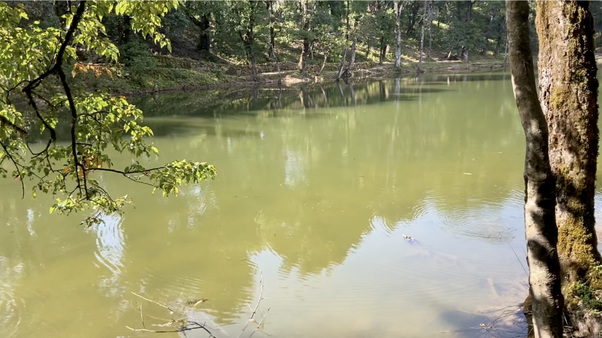
After returning to Uttarkashi from Gangotri, the journey continued to Nachiketa Tal, a sacred lake in the Hindu Himalaya whose serene surface conceals a deep weave of story, pilgrimage, and practice. Set within Uttarakhand’s Dunda region, the site is physically modest yet spiritually resonant, drawing visitors who seek landscape, legend, and quiet reflection in equal measure.
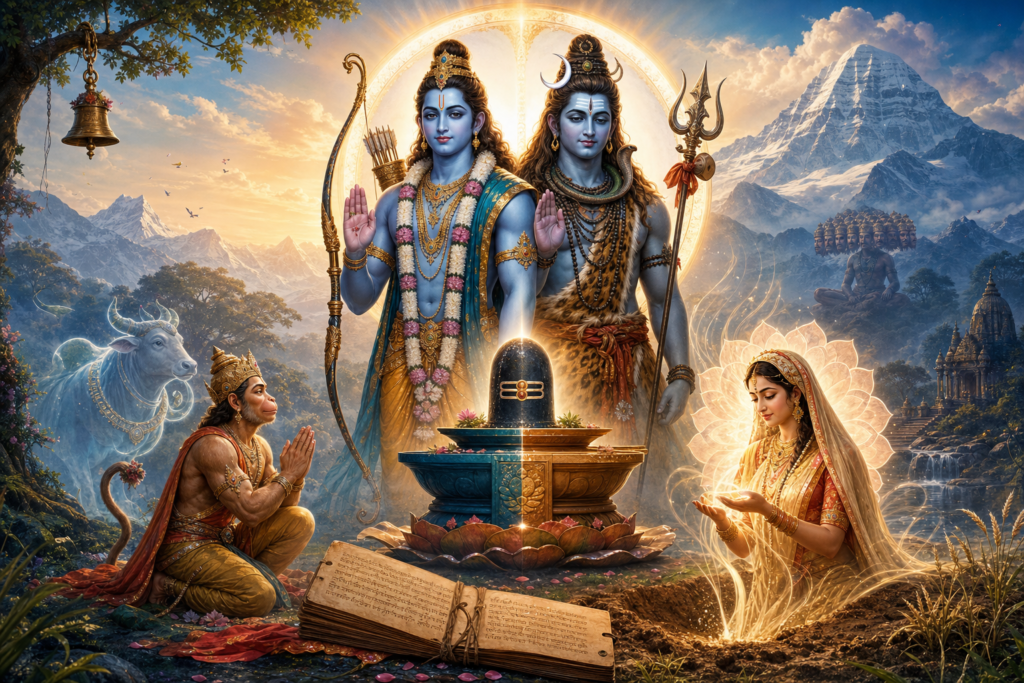
The narrative associated with this lake appears in the Kathaka Upanishad of the Krishna Yajurveda. In the early Vedic period, Vajashravasa, seeking merit, offered unproductive cows in sacrifice. His son, Nachiketa, questioned the ethical value of such a gift and, in a tense exchange, was consigned to Yamaraja. Taking the charge as binding, Nachiketa made his way to a pit on a hilltopunderstood as a portal to Yamalokawhere he waited three days at the threshold of Death.
Upon returning to find the boy waiting, Yama granted three boons. Nachiketa asked for reconciliation and peace with his father, instruction in the sacred fire sacrifice, and, finally, knowledge of what lies beyond death. Yama attempted to redirect the request with offers of longevity, wealth, and power, but Nachiketa held to the higher quest. Pleased by this clarity, Yama imparted Atma Vidya, the teaching of the Self that anchors the inner meaning of the Veda.
Nachiketa then returned as a Jivanmukta and established an ashram near the portal by a lake that came to bear his nameNachiketa Tal. Local tradition also holds that the waters are now inhabited by a Naga, underscoring the site’s layered sanctity and the Himalayan ecosystem’s longstanding association with serpentine guardians of springs and lakes.
Access is straightforward: Nachiketa Tal lies about 26 km from Uttarkashiroughly an hour’s drivetoward Dunda. The road reaches Chauranghi Khal village, named for Guru Chauranghi Nath, a shishya of Gorakhnath, where a temple marks the site of his ashram. From there, a well-trodden mountain path ascends approximately five kilometers through a rhododendron forest, its logs thick with moss and its quiet almost complete.
That quiet, after days near the constant music of the Ganga, can feel uncanny. Birdsong is spare, the air cool and still. The forest opens to the lake, ringed by giant rhododendrons, including one remarkable tree that divides into five great trunks, like a hand rising from the earth. An unusual number of dead trees punctuates the slope. The atmosphere can register as otherworldlysome visitors might even say hauntedyet the water is abundant with fish, easily seen and eager to gather when fed.
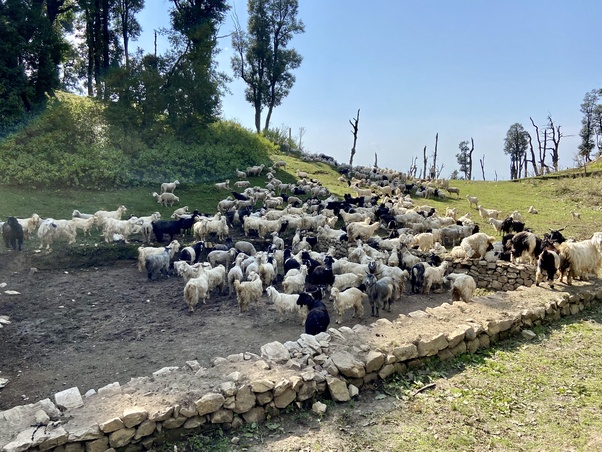
On the shore stands a small Naga temple maintained by an elderly sadhu, a quiet reminder that the lake is both a place of nature and a site of worship. Villagers nearby tend to be warm and hospitable, readily offering chai without expectation. English is rarely spoken, but simple Hindi suffices for friendly exchanges. On open hilltops beyond the trees, goat herds often graze under the watch of relaxed young goatherds who know the land well.
Local guidance makes it easy to locate the feature known as Yamaraja’s cavea narrow, vertical pit in a field that echoes the Upanishadic account of Nachiketa’s descent. The spot is not for entry, but its presence gives tangible contour to the story. Weather here changes quickly; mountain rain can arrive with little notice, so returning hikers often pace their descent to avoid sudden showers.
Beyond its compelling narrative and tranquil setting, Nachiketa Tal embodies themes shared across dharmic traditions: ethical discernment, disciplined inquiry, and reverence for sacred geography. While the story is Vedic and central to Hindu memory, its philosophical arccourage in questioning, the pursuit of inner knowledge, and harmony with natureresonates with Buddhist, Jain, and Sikh reflections on self-understanding, restraint, and service. In this sense, the lake is not only a Hindu pilgrimage site but also part of a broader dharmic landscape of learning and liberation.
Note: This visit occurred in autumn 2022. Descriptions of temples and places reflect information current as of mid-2025; travelers should verify logistics, transport, and access conditions before setting out. All photos © Devala Rees.
Inspired by this post on Hindu America.