Yam Deep Daan Pooja is observed on Yam Trayodashi (also known as Dhan Trayodashi or Dhanteras) during the Diwali festival. In 2025, Yam Deep Daan Pooja falls on October 23. The observance occurs on Krishna Paksha Trayodashi in Kartik Month according to North Indian Hindi calendars, and on Ashwin Month in Marathi, Telugu, Kannada, and Gujarati calendars, reflecting the calendrical diversity within Indian traditions.
The core intention of Yam Deep Daan is to offer a lamp (deepa) to Yama, the guardian of cosmic order and the deity associated with the ethical dimension of life and death. The act of lighting a lamp at the thresholdtraditionally facing southsymbolizes a prayer for well-being, longevity, and freedom from untimely death. Scriptural and Smriti traditions across Dharmaśāstra and Purāṇa literature emphasize deepa-dāna as an auspicious offering that dispels darkness, both literal and metaphorical.
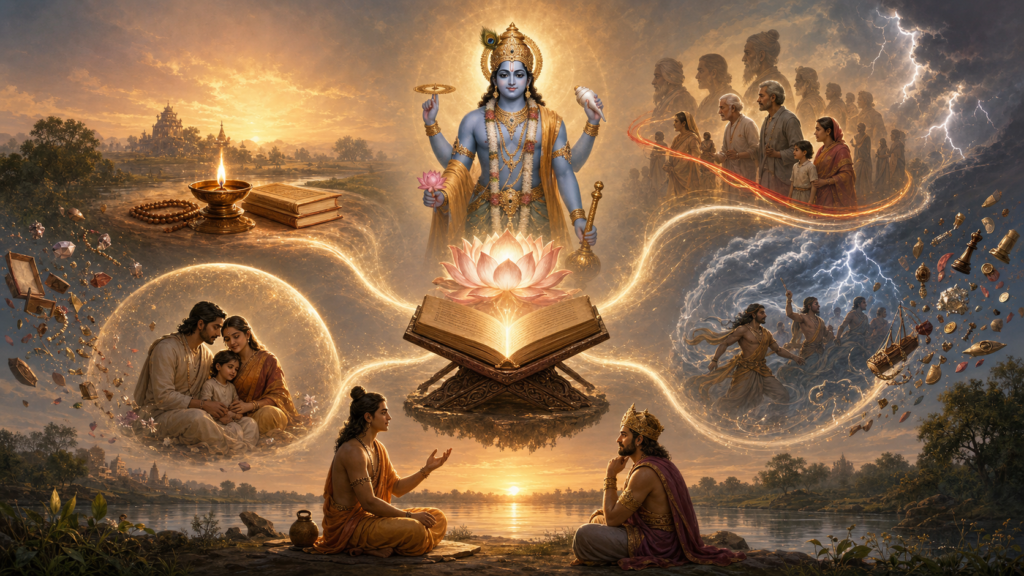
A popular katha associated with this observance narrates the story of King Hima. According to the traditional account, astrological indications foretold his death by serpent bite on the fourth day of marriage. His bride illuminated the home with numerous lamps and arranged her ornaments and coins in brilliant display, remaining awake in vigil while narrating sacred stories. It is said that when Yama arrived in serpent form, the radiance of the lamps and the devotional atmosphere led to a peaceful departure, thereby averting calamity. This narrative underlines the protective symbolism of light and is often linked to Dhanteras and Yam Trayodashi practices.
Ritual practice varies regionally, yet several elements are widely followed. The lamp is offered during Pradosh Kaal (after sunset and before nightfall), with many households placing one diya at the main entrance facing south and, optionally, another near the household shrine or Tulsi. Traditional materials include sesame oil or ghee, and in some regions black sesame seeds are added as a symbol of purification. The number of lamps may range from one to thirteen, according to family custom. Simple prayers to Yama for protection and to ancestors for blessings are recited, with some communities offering the lamp at a doorway, crossroads, or sacred tree as part of local custom.
Within the five-day Diwali cycle, Yam Deep Daan Pooja anchors the opening day as a reflective observance that foregrounds health, safety, ethical awareness, and gratitude. Together with subsequent daysNaraka Chaturdashi, Lakshmi Puja (Amavasya), Govardhan Puja (Annakut), and Bhai Doojthe practice weaves a continuum of light, remembrance, prosperity, and kinship across the festival.
The symbolism of light in Yam Deep Daan resonates deeply across dharmic traditions. In Buddhism, butter lamps are offered as expressions of wisdom and clarity; in Jainism, Diwali commemorates Bhagavan Mahavira’s attainment of kevalajnana, celebrated through the lighting of lamps; in Sikh tradition, Bandi Chhor Divas coincides with the Diwali period, and illuminated gurdwaras highlight the triumph of compassion and freedom. These convergences affirm a shared cultural ethos: light as a metaphor for insight, ethical living, and community harmony.
For 2025, practitioners may consult a local panchang for precise Pradosh Kaal. Many households adopt eco-conscious practicesusing clay diyas, natural oils, and cotton wicksthereby aligning ritual intent with environmental responsibility. Families often integrate brief reflections on gratitude, safety, and service, reinforcing the educative and ethical dimensions of the festival.
Practitioners frequently describe the quiet moment of placing a small lamp at the threshold as both grounding and uplifting. The steady flame becomes a contemplative cuean invitation to acknowledge life’s fragility, to honor ancestors, and to renew a commitment to compassionate action. In this way, Yam Deep Daan Pooja functions as both a sacred rite and a lived pedagogy, guiding households toward resilience, unity, and inner clarity at the outset of Diwali.
Inspired by this post on Hindu Pad.