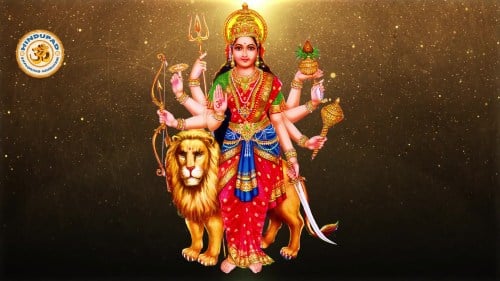
Vindhyavasini Devi is revered as a powerful manifestation of Goddess Durga, celebrated for residing in Vindhyachal along the banks of the Ganges in Uttar Pradesh. The temple at Vindhyachal stands as a vital center of Hindu pilgrimage, where devotees honor the living presence of Shakti and seek blessings for protection, courage, and well-being.
The epithet “Vindhyavasini” literally denotes the goddess who dwells in the Vindhya ranges, underscoring a deep connection between sacred geography and divine presence. Puranic traditionsincluding narratives remembered in the Devi Mahatmyarefer to the goddess’s protective role and the abiding belief that she manifests to restore balance during times of adversity.
In popular devotion, Vindhyachal is often described as part of a sacred triangle of shrinesVindhyavasini, Ashtabhuja, and Kali Khohvenerated through the Trikona Parikrama. Traditionally honored as a Siddha Peetha, the site symbolizes the immediacy of grace, where devotees affirm that prayers receive swift, compassionate response.
Festivals such as Navaratri (Chaitra and Sharad) animate the temple with continuous recitations, aarti, and Shodashopachara worship. Pilgrims gather from across India to participate in darshan at dawn and dusk, when the resonance of bells and mantras blends with the Ganges breeze, cultivating a contemplative atmosphere grounded in devotion and discipline.
Accounts from visitors often describe a palpable sense of inner steadiness on entering the sanctum, as if the space itself teaches courage and clarity. The sight of lamps shimmering before the murti, the flow of the Ganges nearby, and the cadence of devotional hymns create an experience that many interpret as a gentle reminder to align action with dharma.
The veneration of the feminine principle (Shakti) at Vindhyachal resonates with a wider dharmic ethos shared across Hinduism, Buddhism, Jainism, and Sikhism. While each tradition articulates the sacred in its own languagewhether through the compassion of Tara, the protective grace associated with yakshinis, or the cultural reverence for Mata in North Indian devotional lifethe underlying values of compassion, wisdom, and inner strength remain mutually affirming.
Situated in Mirzapur district, the Vindhyavasini Temple is accessible via Vindhyachal railway station and by road from Varanasi (approximately 65 km). Pilgrims typically plan a circuit of the Trikona Parikrama, observe temple etiquette, and time visits around major festivals for an enriched spiritual and cultural experience.
For students of culture and seekers alike, Vindhyavasini Devi at Vindhyachal offers a synthesis of sacred text, sacred geography, and living ritual. The temple’s enduring appeal lies in how it unites scriptural memory with present-moment devotioninviting reflection, fortitude, and a shared appreciation of India’s spiritual heritage.
Inspired by this post on Hindu Pad.