Sri Veerabrahmendra Swami Jayanti, the birth anniversary of Pothuluri Veerabrahmendra Swamirevered as Brahmamgaru and Kalagnaniwill be observed on 26 April 2026. The day honors a towering Telugu saint whose guidance continues to shape devotional, ethical, and cultural life across generations.
Within the Telugu spiritual and cultural milieu, Veerabrahmendra Swami is associated with a living tradition of counsel and community guidance preserved through oral histories and manuscript transmission commonly remembered as Kalagnanam. His legacy within the bhakti ethos centers practical virtue: commitment to dharma, steadiness in satya (truth), compassion in action, and humble service (seva).
In the Hindu festival calendar 2026, Sri Veerabrahmendra Swami Jayanti falls on the civil date of April 26. As with many tithi-based observances in the Hindu calendar, regional panchangam calculations can produce slight variations in ritual timing; local temple schedules typically provide authoritative guidance for sankalpa, puja, and community programs. Families often cross-check with their regional (Telugu) panchangam to align household worship with sampradaya practice.
At Sri Veerabrahmendra Swami Matham in Kandimallayapalle, Kadapa district of Andhra Pradesh, the Jayanti Utsavalu are celebrated with utmost devotion. Serving as the spiritual focal point, the Matham gathers devotees who seek darshan, instruction through pravachanam, and opportunities to participate in community-oriented seva.
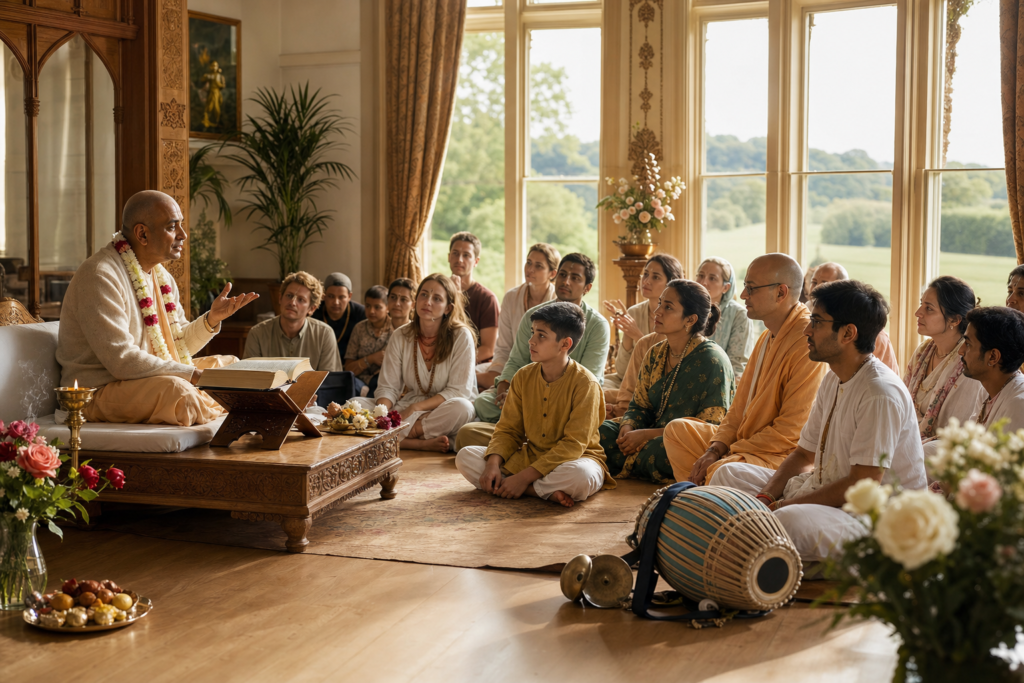
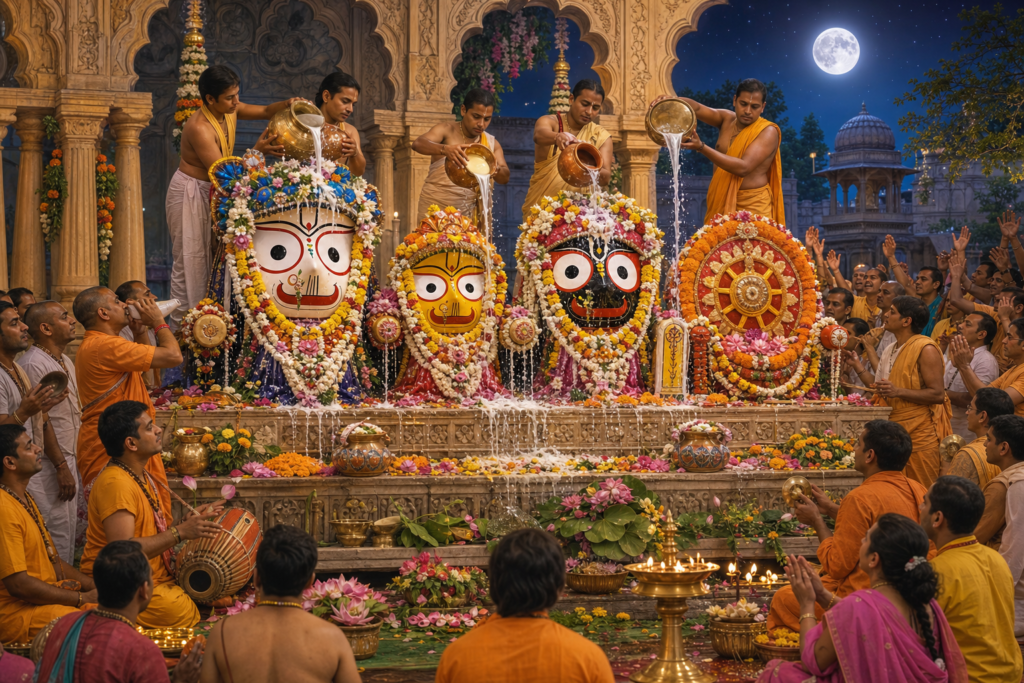
Jayanti Utsavalu customarily include special pujas, collective chanting, and discourses on the saint’s life and message, subject to local arrangements. Community sevasuch as annadanammay be organized to embody the saint’s call to compassion and social responsibility. The festival’s inner orientation remains steadfast: remembrance (smarana), disciplined worship, and self-transformation through service.
Household observance typically begins with a morning sankalpa, lighting of a deepa, nama-japa or stotra recitation, and a simple puja-vidhi with satvik naivedyam and fruits. Devotees often read or listen to accessible presentations of Veerabrahmendra Swami’s teachings that emphasize ethical living over sensational themes, concluding with a brief dhyana on truthfulness, self-restraint, and compassion.
Although Kalagnanam is popularly remembered for prophetic passages, responsible engagement treats it as a moral compass rather than a tool for prediction. The emphasis remains on actionable virtuessteadfast dharma, social harmony, and care for the vulnerableover attempts to time or sensationalize future events. This approach preserves the text’s spiritual integrity and contemporary relevance.
The values associated with Sri Veerabrahmendra Swami Jayantinon-violence, truth, generosity, inner discipline, and sevaresonate across the dharmic traditions of Hinduism, Buddhism, Jainism, and Sikhism. Commemorations that foreground these shared ethical principles strengthen social cohesion and interfaith respect while honoring the distinctiveness of local and regional practices.
Across Andhra Pradesh and the Telugu diaspora, temples and satsang groups often organize group chanting, cultural programs, and youth-led service initiatives to introduce Brahmamgaru’s life and message to new generations. Participants frequently describe a deep sense of peace and purpose that carries forward into daily conduct well beyond the festival day.
Kandimallayapalle, in the Kadapa district of Andhra Pradesh, is reachable via regional transport hubs; visitors typically coordinate with local authorities or temple volunteers for event schedules and crowd-management advisories during Jayanti Utsavalu. Early planningespecially for accommodations and travelhelps maintain a calm, service-oriented atmosphere in and around the Matham.
In many sampradayas, a saint’s Jayanti (birth anniversary) and Aradhana (punyatithi) are distinct observances. Communities devoted to Brahmamgaru often honor both, with Aradhana-focused events occurring on a separately observed date. Devotees are advised to follow local announcements for precise details on each observance.
Observing Sri Veerabrahmendra Swami Jayanti on April 26, 2026 offers an opportunity to deepen study, refine practice, and serve society. Whether at Sri Veerabrahmendra Swami Matham in Kandimallayapalle or at home, the heart of the festival lies in living the virtues for which BrahmamgaruKalagnaniremains venerated: dharma grounded in truth, compassion expressed through seva, and unity upheld through shared ethical purpose.
Inspired by this post on Hindu Pad.