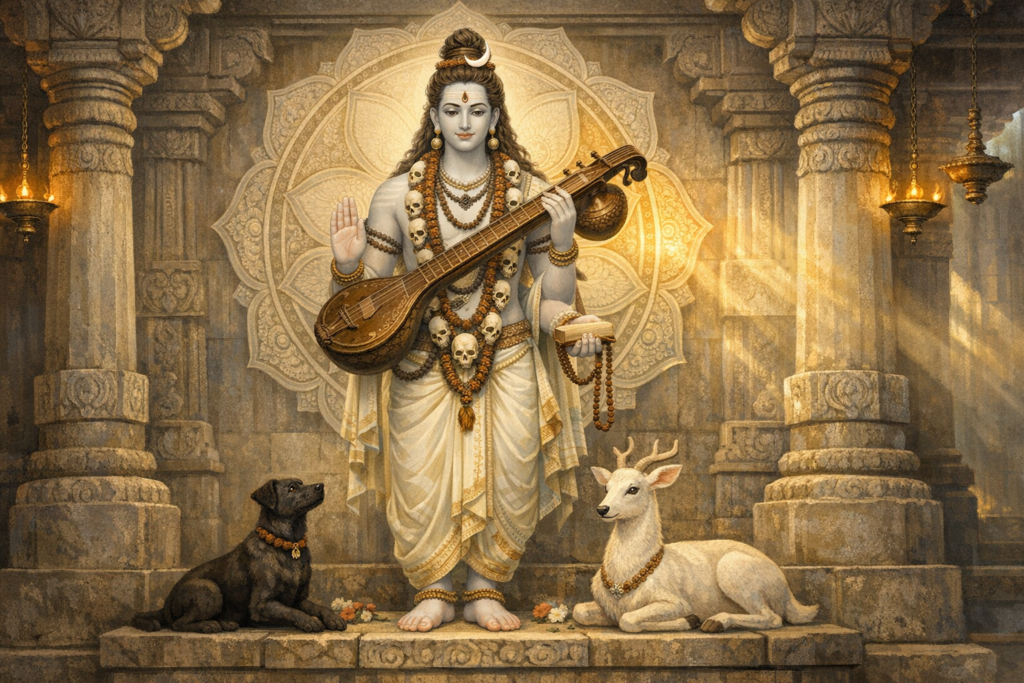
Vasant Panchami, also known as “Shree Panchami” or “Saraswati Panchami,” will be observed on 23 January 2026, the fifth day (Panchami) of Shukla Paksha in the Magh (Magha) month of the Hindu calendar. Recognized as an auspicious day for invoking Goddess Saraswati, the festival heralds spring and celebrates learning, music, art, and wisdom.
The auspicious window for worship—referred to as the Vasant Panchami 2026 Saraswati Puja Muhurat (Saraswati Pooja Muhurtham 2026)—is traditionally observed when Panchami Tithi prevails during the forenoon (Purvahna). Many households perform the puja when the Panchami Tithi aligns with morning or midday observance, prioritizing the Tithi’s presence over clock time. Because sunrise, Tithi overlap, and local coordinates can shift exact muhurat, consulting a regional Panchang is advised to determine location-specific timings with precision.
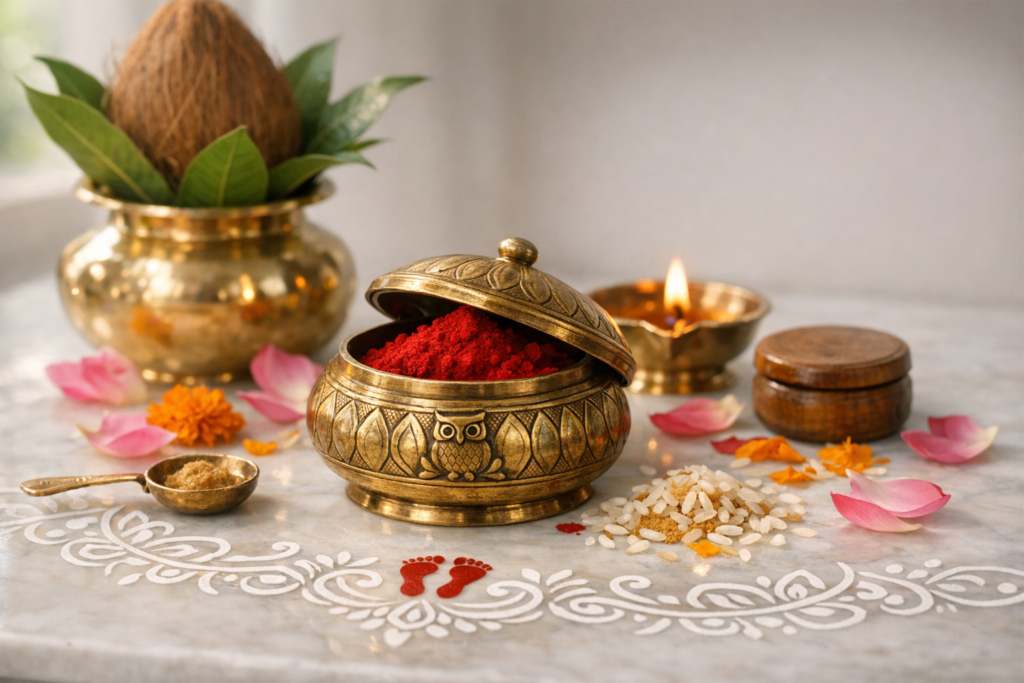
Across homes, schools, and cultural spaces, simple and sincere worship takes precedence. Books, musical instruments, notebooks, and tools of learning are respectfully placed near the image of Saraswati, and basanti (yellow) flowers, turmeric, and akshata are offered to symbolize purity and clarity of mind. Children often begin or renew studies (Vidyarambham/Aksharabhyasam) on this day, while students and teachers alike seek steadfast focus and discernment for the year ahead.
The spiritual ethos of Vasant Panchami resonates across the wider dharmic family—Hinduism, Buddhism, Jainism, and Sikhism—through a shared reverence for vidya (knowledge), ethical living, and compassion. Communities honor learning as a sacred pursuit, reaffirming unity in diversity and a collective commitment to wisdom that benefits society at large.
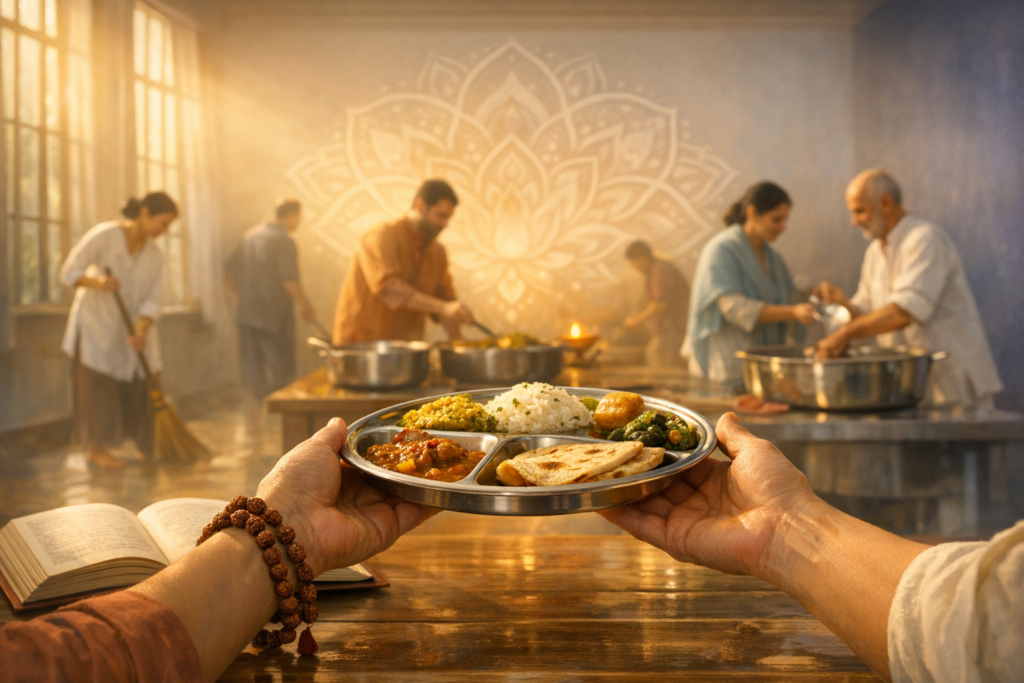
For many families, the festival becomes a gentle ritual of renewal. Study spaces are cleaned, distractions are minimized, and a calm, sattvic atmosphere is cultivated. Reciting Saraswati Vandana or classical stotras, maintaining mindful silence, and supporting learners—by offering books, art supplies, or mentorship—creates a living bridge between devotion and daily practice.
Summarized succinctly: the date is 23 January 2026 (Magh Shukla Panchami), the focus is Saraswati Puja during the Panchami Tithi, and the intention is clarity, creativity, and collective well-being. Observed with humility and care, Vasant Panchami strengthens cultural continuity, fosters educational excellence, and nurtures a spirit of harmonious learning across communities.
Inspired by this post on Hindu Pad.