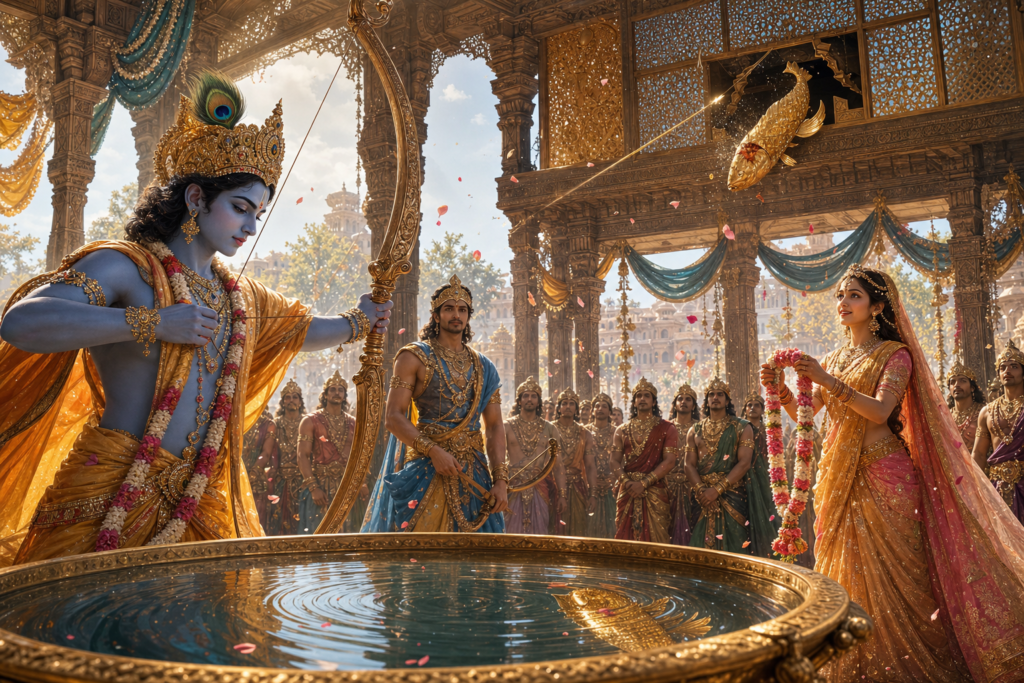
Narak Chaturdashi, the second day of the five-day Deepavali (Diwali) festival, also known as Choti Diwali, is observed with Kali Chaudas Puja and the sacred Narak Chaturdashi Snan. In 2025, Narak Chaturdasi falls on October 20. Across regions, the day venerates the triumph of light over darkness and the cleansing of ignorance, with many traditions recalling Śrī Krishna’s victory over Narakāsura and the evening practice of Yama Deep Daan.
Narak Chaturdashi Snan is widely regarded as the most auspicious observance of the day. Before sunrise, households perform abhyanga (oil bath), typically with sesame (tila) oil and herbal ubtan, while reciting purificatory stotras and ślokas. The ritual symbolizes renewal, protection, and alignment with inner lightan experience many families describe as both serene and energizing, setting a contemplative tone for the remainder of Deepavali.
Tradition recommends bathing during brāhma-muhūrta, before sunrise. Many invoke sacred rivers and offer simple prayers of gratitude. Regional practices and family lineages (paramparā) vary; consulting local panchang and community elders or priests helps ensure timing and procedure align with custom. The intention (sankalpa) remains constant: purification of body and mind, and the cultivation of clarity, courage, and compassion.
The following mantras, stotras, and ślokas are commonly recited during Narak Chaturdashi Snan. They are presented here in widely used transliterations; pronunciation and selection may vary by sampradāya and region.
Ganga invocation (for all sacred waters during snana):
“Gange cha Yamune chaiva Godāvari Sarasvati | Narmade Sindhu Kāveri jalesmin sannidhim kuru.”
Meaning: An invocation inviting the presence of the seven sacred rivers into the bathing waters, sanctifying the act of purification.
Maha Mrityunjaya Mantra (for protection and overcoming fear):
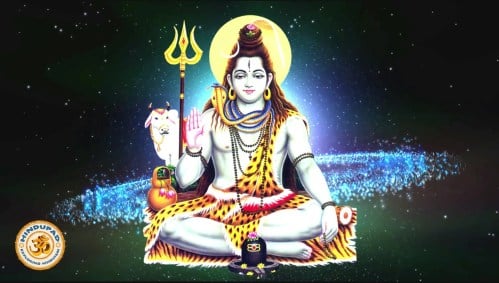
“Tryambakaṁ yajāmahe sugandhiṁ puṣṭi-vardhanam | urvārukam iva bandhanān mṛtyor mukṣīya mā’mṛtāt.”
Meaning: A prayer to Lord Shiva for liberation from untimely obstacles and fear, aligning with the day’s association with Yama and well-being.
Shanti and inner light (Upanishadic prayer):
“Asato mā sadgamaya | Tamaso mā jyotir gamaya | Mṛtyor mā amṛtaṁ gamaya | Om śāntiḥ śāntiḥ śāntiḥ.”
Meaning: A universal aspiration to move from untruth to truth, darkness to light, and mortality to immortalityresonant with the core spirit of Deepavali.
Viṣṇu mantra (devotional remembrance during Snan):
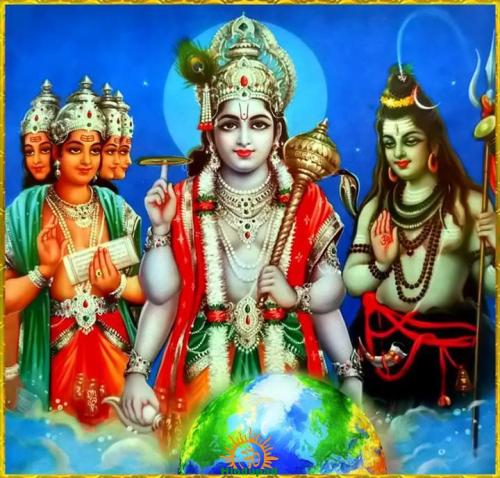
“Om Namo Bhagavate Vāsudevāya.”
Meaning: A succinct invocation to Śrī Viṣṇu, honoring preservation, order, and grace.
Kali Chaudas mantra (for courage and inner fortitude):
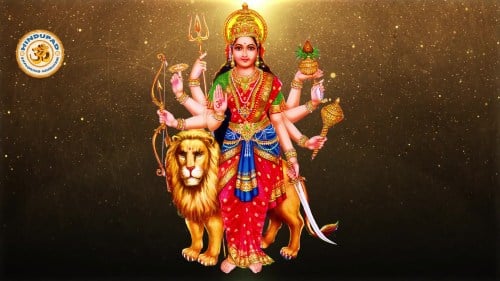
“Om Krīm Kālikāyai Namaḥ.”
Meaning: An invocation to Devī Kālī, seeking clarity, protection, and the dissolution of inner obstacles.
Yama remembrance (for restraint, ethics, and longevity):
“Om Yamāya Namaḥ.”
Meaning: A respectful salutation to Lord Yama, reinforcing dharma, self-discipline, and mindful living.
Simple practice sequence (regional variations apply): Set a calm intention (sankalpa); anoint with sesame oil; recite the Ganga invocation; bathe while chanting one or more of the above mantras; and close with the śānti mantra. In many regions, the evening includes Yama Deep Daanlighting a lamp at the thresholdsymbolically guiding light across the household and community.
This observance reflects a shared dharmic ethos across Hinduism, Buddhism, Jainism, and Sikhism: purification, self-discipline, compassion, and service (seva). The imagery of light dispelling darkness parallels the cultivation of wisdom over ignorance and the commitment to harmony in community lifevalues cherished across these traditions.
For 2025, devotees may confirm local muhurta for Narak Chaturdashi Snan on October 20 using regional panchang guidance. Regardless of locale, the essence remains a thoughtful return to clarityhonoring heritage, deepening inner steadiness, and strengthening bonds within and across communities during Deepavali.
Inspired by this post on Hindu Pad.