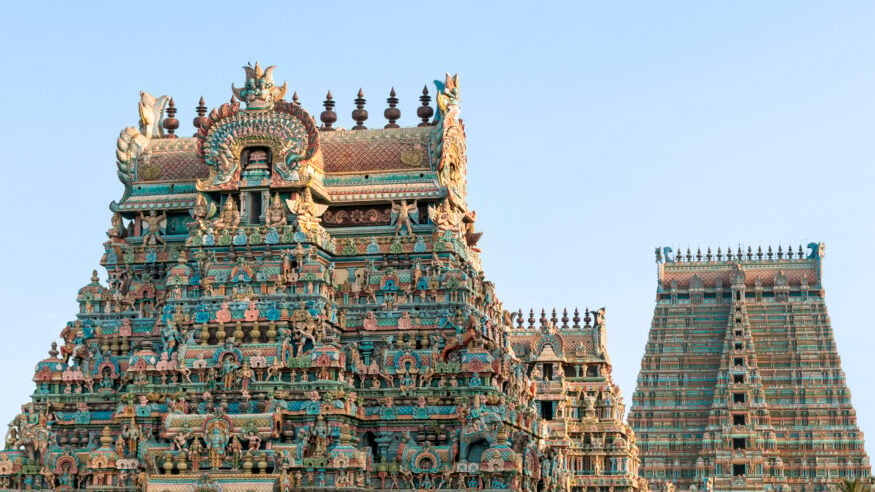
Tirumala sustains a living tradition in which every sunrise and sunset unfolds as nitya-utsavam, a daily celebration in honor of Sri Venkateswara Swamy. Within this rhythm, the month of March 2026 gathers particular devotional intensity. This guide presents a clear, factual, and spiritually resonant overview of TTD Festivals March 2026, with special attention to the Tirumala Tirupati Temple Utsavams and the sacred culmination of the annual Float Festival (Teppotsavam). It also offers practical observations on darshan planning, ritual significance, and pilgrim experience in a way that honors the unity of dharmic values cherished across Hindu, Buddhist, Jain, and Sikh traditionsseva, dana, ahimsa, and satya.
For planning and spiritual preparation, it is essential to situate these observances within the Panchang (lunar calendar), as TTD schedules are anchored to tithi and nakshatra rather than the civil calendar alone. March typically bridges the tail end of Phalguna and the beginning of Chaitra, and festival timings may shift year to year based on the lunar phases. Pilgrims are therefore encouraged to verify the latest temple communications close to travel dates, while using this guide for conceptual clarity and on-ground orientation.
Key date: March 02, 2026 marks the conclusion of the annual Float Festival (Srivari Salakatla Teppotsavam) at Swami Pushkarini. This highlight of TTD festivals in March 2026 traditionally unfolds over multiple evenings, culminating in a spiritually charged finale in which Sri Malayappa Swamy, along with Sridevi and Bhudevi, graces devotees from a beautifully illuminated float on the sacred temple tank abutting the Srivari Temple. The end-of-festival evening customarily draws the largest congregations, calling for thoughtful time management, early arrival, and adherence to on-site directions.
Srivari Salakatla Teppotsavam is rooted in the agamic principle of jalotsavadivine sport upon the watersexpressed here through a ritual choreography of light, sound, and sacred movement. Devotees witness the utsava murti embark upon circular parikrama on Swami Pushkarini, the floating lamps casting rippling halos that seem to merge the celestial with the earthly. The confluence of Veda parayanam, mangala vadyam, and often Annamacharya sankeertana creates an immersive soundscape in which attention, reverence, and quiet joy naturally arise. Many pilgrims recount the palpable stillness that descends over the tank as the conch echoes and the harati flames trace arcs across the water.
From a theological perspective grounded in the Vaikhanasa Agama, annual utsavams such as Teppotsavam extend the sanctity of the garbha-griha into the larger temple ecosystem. The procession of the utsava murti externalizes the grace of the mula-vigraha, making darshan available to throngs gathered along the tank’s perimeter. Water becomes both symbol and mediuman image of samsara to be crossed and a mirror of consciousness to be stilledwhile the gradual, deliberate motion of the float cultivates a contemplative gaze. In this sense, the Float Festival is an applied theology of darshan: the deity’s compassionate accessibility meets the devotee’s prepared attention.
Archival patterns suggest that the Float Festival evenings usually unfold after dusk; however, the precise timings and circulation routes depend on TTD’s operational plan for 2026. The concluding day on March 02, 2026 is expected to be the most sought-after for darshan along Swami Pushkarini. Entry controls, security corridors, and crowd dispersal pathways are typically in place for safety; pilgrims benefit from following signage, arriving early, staying hydrated, and maintaining the temple’s decorum. Families often find that reaching the Pushkarini bunds well in advance improves line of sight during the moments when the float passes closest to their vantage point.
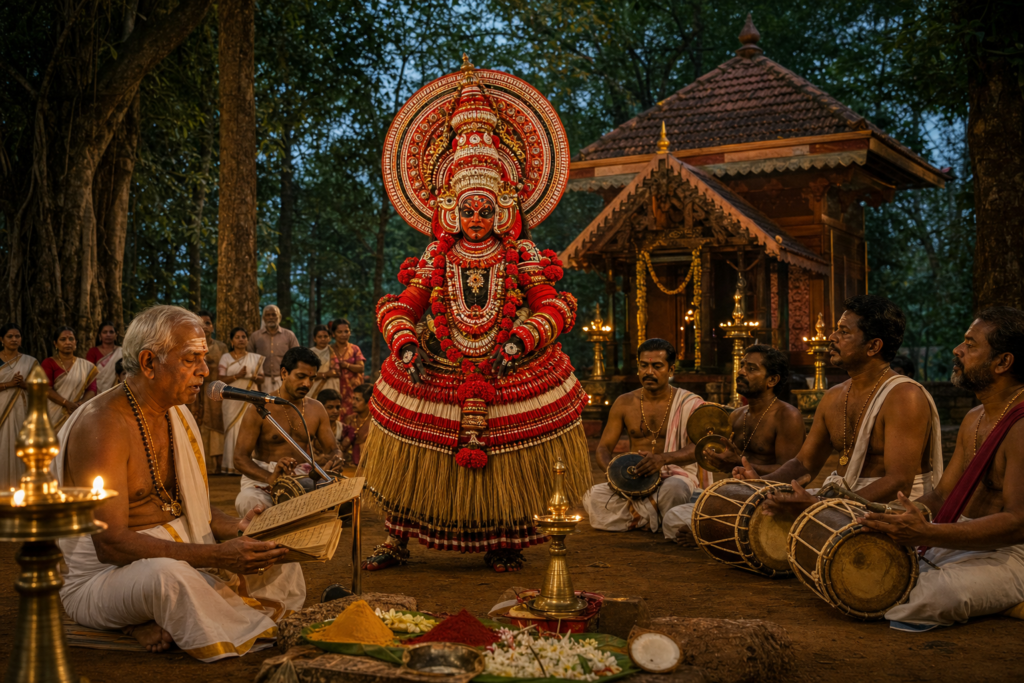
The material culture of the utsavamteppam ornamentation, floral garlands, oil lamps, and rhythmic percussionoperates as a multi-sensory pedagogy. The eyes track the deity’s gentle movement across the mirrored surface; the ears settle into the cadence of recitation and drum; the breath often synchronizes with the ritual tempo. Such embodied attention transforms spectatorship into sadhana. Devotees frequently describe this experience as both emotionally uplifting and quietly instructional, an invitation to patience, equipoise, and gratitude.
March in Tirumala tends toward warm, dry days and pleasant evenings, a climate that favors extended outdoor congregations around Swami Pushkarini. Visitor volumes typically swell during major utsavams, and accommodation becomes competitive. Practical planning includes: booking rooms well in advance via official TTD channels, consulting the Panchang for tithi-specific observances, and allowing flexibility in daily schedules to accommodate processions, temple traffic diversions, and phased access to viewing areas. Those traveling with elders or children may wish to identify rest points near the Mada streets and Pushkarini approaches.
On festival days, TTD’s darshan operations may be dynamically adjusted to balance temple rituals, safety, and devotee access. While the core sevas and daily archana continue according to agamic stipulations, queue routing and waiting times can fluctuate. Checking official TTD notifications for Special Entry Darshan (Seegra Darshan), any advisories around Arjitha Sevas, and updates on crowd management helps align personal schedules with temple logistics. Respecting volunteers and staff directions contributes directly to a calmer, smoother darshan for all.
Dignified attire and traditional modesty reflect the temple’s sanctity. Standard temple protocolsdepositing mobile phones, cameras, and luggage at designated counters; avoiding plastic; and moving mindfully within barricaded zonessupport both spiritual focus and environmental stewardship. The inner ethic of seva is best expressed through simple acts: offering space to elders, keeping pathways clear, and maintaining quiet during parayanam and harati.
The unity of dharmic traditions is naturally visible in the values that animate Tirumala’s utsavams. The tenderness of lamp-light on water, the ethic of service, and the emphasis on inner purification resonate with practices cherished in Hinduism, Buddhism, Jainism, and Sikhism. Sacred processions, communal singing, disciplined attention, and hospitality to pilgrims all reflect a shared aspiration: that devotion should uplift individual hearts and weave social harmony. Recognizing these continuities reinforces the sense that spiritual festivities at Tirumala are part of a wider civilizational tapestry of reverence and responsibility.
Those who like to time their sankalpa with precision may consult a reliable Panchang to note the tithi, nakshatra, and muhurta windows relevant to March 2026 observances. While the civil date anchors travel and accommodation, the lunar markers guide prayer intentions and home vratas aligned to temple events. Many families observe a simple home routinelighting a diya at dusk, chanting a short sloka, and performing manasika (mental) archanasynchronously with the Float Festival’s evening proceedings, integrating pilgrimage and household spirituality.
In sum, TTD Festivals March 2026 will be remembered above all for the serene and majestic conclusion of Srivari Salakatla Teppotsavam on March 02, 2026. For those witnessing the Float Festival finale along Swami Pushkarini, the devotional atmosphere, the gentle arc of the illuminated float, and the resonance of Vedic chant combine to create a contemplative darshan etched in memory. Careful planning, attention to temple advisories, and a spirit of shared dharmic unity will help pilgrims experience Tirumala’s March utsavams with clarity, safety, and inward joy.
Note on schedules: All utsavam dates and timings remain subject to official Tirumala Tirupati Devasthanams notifications. Pilgrims are encouraged to reconfirm details close to travel, as temple operations adapt responsibly to ritual priorities and public safety considerations.
Inspired by this post on Hindu Pad.