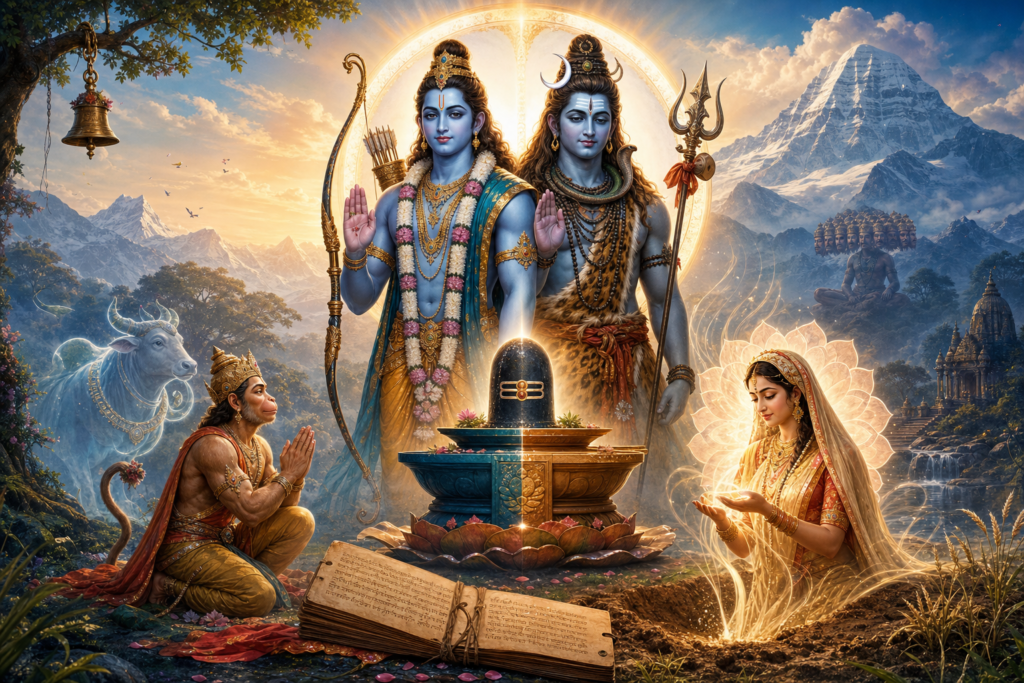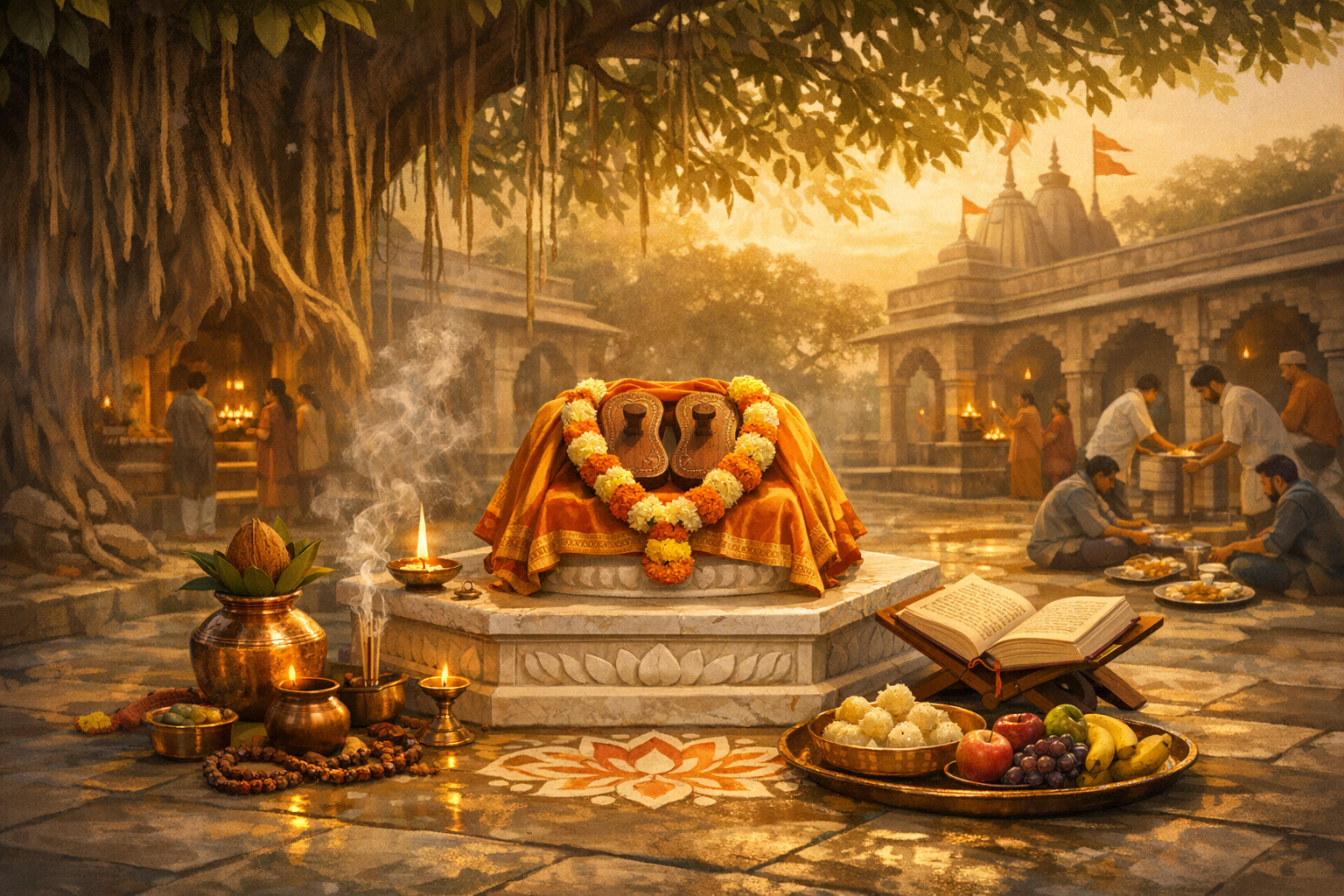
Swami Samarth Prakat Din commemorates the first public manifestation (prakat) of Shri Swami Samarth Maharaj, the revered 19th-century mystic also known as Akkalkot Swami Maharaj in the Dattatreya Tradition. In 2026, Swami Samarth Prakat Din falls on March 20. Across Maharashtra and the wider Deccanalong with growing participation in other regions and the global diasporadevotees observe this date with guru-puja, parayan (scriptural recitation), and annadan (community food sharing), guided by the Hindu calendar (panchang) and local temple customs.
Swami Samarth’s historical presence is anchored in Akkalkot, Solapur district, where he inspired a living tradition of guru-bhakti, compassionate service, and direct experiential spirituality. His teachings, preserved in oral accounts and hagiographies, emphasize unwavering surrender to the Guru, remembrance of the Divine Name, and practical compassion. The day of appearance carries a distinct theological nuance: prakat does not merely signify birth; it represents the moment spiritual presence becomes accessible to aspirants and society through the Guru’s freely offered grace.
Within the Dattatreya Traditionwhose foundational ethos is the unity of knowledge, devotion, and servicethe Guru’s role is to awaken insight rather than impose uniformity. This orientation naturally harmonizes with the larger dharmic family (Hinduism, Buddhism, Jainism, Sikhism), all of which value inner transformation, ethical conduct, and non-violence. Accordingly, Swami Samarth Prakat Din is increasingly understood as a day of solidarity across dharmic paths, affirming shared values of compassion, discipline, and wisdom.
Observance at home often begins with a simple sankalpa (intention) to honor Shri Swami Samarth and to dedicate the day’s merit to collective well-being. A clean altar is arranged with the Guru’s image or paduka, a lamp, incense, water, and seasonal fruits. Devotees commonly offer sattvic naivedya (such as milk-based preparations or sugar-based prasada), followed by aarti and quiet meditation. Many households maintain a period of mauna (quietude) after puja to internalize the Guru’s presence and to cultivate mindful conduct throughout the day.
Scriptural recitation is central. In the Dattatreya Tradition, parayan of Shri Guru Charitra is widely practiced, alongside readings from Swami Samarth’s charitra granthas preserved in various lineages. Devotees also chant Nama-japa and Dattatreya stotras. Simple, accessible chantsJai Swami Samarth and traditional Datta namavalissupport continuous remembrance during daily tasks, making spiritual practice inclusive for householders and working professionals alike.
Temple observances typically include abhishek with panchamrita, paduka-puja, dhoop-deep seva, and evening aarti with community participation. Larger mathas and temples may host day-long parayans, pravachans (discourses), and collective bhajans. Annadan and distribution of prasada remain a hallmark, reflecting the teaching that service to the hungry and distressed is an immediate and effective form of worship. Many communities also organize blood donation camps, tree-planting drives, and seva activities, aligning ritual devotion with social responsibility.
Because Hindu festival dates are governed by the lunar tithi, local panchang differences can shift observance by a day, especially across time zones. A tithi can begin or end at any hour, and some traditions assign a festival to the date on which the relevant tithi prevails at sunrise (udaya tithi). Maharashtra generally follows the Amanta month system (months conclude on Amavasya), while North India often uses Purnimanta (months conclude on Purnima). These calendrical conventions can change the month-name associated with the same lunar phase, even when the civil date remains identical. For 2026, March 20 is broadly noted for Swami Samarth Prakat Din, with local confirmation recommended through a trusted panchang.
Akkalkot remains the epicenter of Prakat Din observances. The sacred complex associated with the Vatavruksha (banyan tree) where the Swami guided seekers continues to draw pilgrims seeking darshan and spiritual solace. On Prakat Din, footfall increases significantly; early arrival helps ease participation in abhishek, paduka-puja, and evening aarti. Devotees often speak of a palpable calm beneath the Vatavruksha canopy, describing a shift from restlessness to equanimity that endures long after returning home.
Practical planning for Akkalkot includes checking temple schedules in advance, arranging accommodations early, carrying water and light shawls for changing temperatures, and allowing generous time for queues. As with all sacred sites, simple attire, minimal waste, and respectful silence near the sanctum enhance the collective spiritual atmosphere. For seniors and children, midday rest and hydration are advisable, especially when participating in extended parayans or bhajans.
Devotees frequently report that structured practice deepens the day’s impact. A balanced observance may weave together early-morning japa, mid-morning parayan, afternoon seva, and an evening aarti. Those with demanding schedules might concentrate practice at sunrise and sunset, when daily rhythms naturally support contemplation. Many households also maintain a simple vratasuch as avoiding irritability, practicing generosity, or limiting technology useto translate devotion into character refinement, which aligns with Swami Samarth’s emphasis on direct inner transformation.
Theologically, Prakat Din foregrounds the Guru as the mediator of grace in the Dattatreya Tradition. Hagiographies portray Swami Samarth as a compassionate, at times stern, guide who tailored instruction to each seeker’s capacity. This pedagogical flexibilitymeeting the aspirant where they aremirrors a broader dharmic principle: many valid paths can lead to realization. In that spirit, communities often welcome participation from seekers across dharmic traditions, emphasizing shared values of ahimsa, dana, and disciplined sadhana.
It is helpful to distinguish between three commemorations associated with Akkalkot Swami Maharaj. Prakat Din marks his first recognized public manifestation. Jayanti (often used colloquially as “appearance day”) can coincide with Prakat Din in many calendars. Mahasamadhi day, by contrast, commemorates his departure from the physical body, recorded in 1878 CE at Akkalkot, and is observed separately in late April. Keeping these distinctions clear allows devotees to plan annual observances with precision and reverence.
For 2026 planning, March 20 offers multiple spiritually potent windows when adapted to local sunrise and sunset. Many follow Brahma Muhurta (pre-dawn) for meditation and japa, mid-morning for paduka-puja and home aarti, and the evening Sandhya for collective arati and satsang. While Abhijit Muhurta (midday) is traditionally auspicious, exact intervals vary by latitude, season, and day length, so a local panchang or temple schedule provides the most reliable guidance.
In terms of mantra and parayan, accessible options sustain momentum throughout the day. Nama-japa of Jai Swami Samarth and Datta namavalis fit naturally into routine activities. Families may read selections from Shri Guru Charitra or a recognized Swami Samarth charitra text, alternating readers to include elders and youth. Where possible, concluding with collective reflections helps transform recitation into lived insightidentifying one actionable virtue (karuna, daya, kshama, or satya) to cultivate in the week ahead.
Annadan on Prakat Din powerfully embodies the Guru’s message. Communities often organize simple, nutritious meals, emphasizing dignity and warmth in service. In urban contexts, partnerships with local kitchens, hospitals, or elder-care facilities can extend reach. Many devotees describe annadan as a direct catalyst for inner quietude, noting that service dissipates ego-centric rumination and connects practice with tangible social good.
For devotees outside India, time-zone differences can shift the tithi alignment relative to the civil date. Two approaches are in use: observe March 20 locally based on community consensus, or synchronize with Akkalkot’s observance in Maharashtra. Either approach is valid when undertaken with clarity and sankalpa. Where possible, diaspora communities may consult regional Hindu temples for a consolidated schedule, reinforcing unity and shared purpose.
From a historical perspective, Swami Samarth’s life unfolded during a period of rapid socio-political change in 19th Century India. His presence cut across caste and regional boundaries, foregrounding a pragmatic spirituality that was both intimate and universal. Accounts consistently highlight his spontaneous instructionsometimes cryptic, often incisivedesigned to dislodge ingrained habit and awaken direct awareness. This living pedagogy remains the heartbeat of Prakat Din: practice becomes the laboratory where teachings verify themselves.
In sum, Swami Samarth Prakat Din 2026 on March 20 offers a structured opportunity to align inner practice with outward service. The day’s core elementsguru-puja, parayan, japa, seva, and community aartimap cleanly onto the rhythms of contemporary life when approached with simplicity and sincerity. Whether at home, in a local temple, or on pilgrimage to Akkalkot, observance grounded in the Hindu calendar and guided by the Dattatreya Tradition can deepen devotion, clarify purpose, and reaffirm unity across dharmic paths.
Inspired by this post on Hindu Pad.