Pushya Maasa (Pushya month) is the tenth month in the traditional Kannada calendar observed in Karnataka. For the 2025–2026 cycle, Pushya Maasa begins on 21 December 2025 and concludes on 18 January 2026, marking a winter interval that guides households and temples in planning rituals and community activities.
The same Amanta-style lunisolar framework is followed across Maharashtra, Goa, Gujarat, Telangana, and Andhra Pradesh, enabling coordinated observances while allowing each region to preserve its distinctive temple traditions and local customs. This shared calendar ecology strengthens cultural continuity across the Deccan and western India.
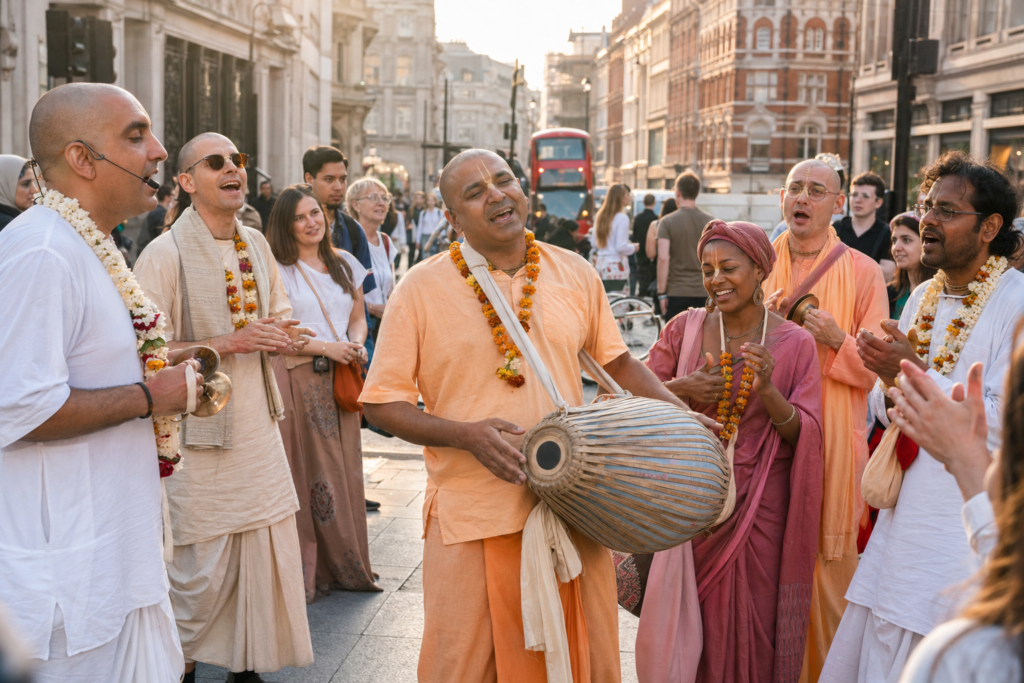
In several regional customs, Pushya maasa is considered less favorable for initiating select life‑cycle events (such as weddings or housewarmings). At the same time, the month is widely esteemed for sadhanajapa, vratas, annadanam, temple seva, study, and meditationpractices that deepen inner discipline and community harmony.
Key observances that may fall within the 2025–2026 Pushya window include Makara Sankranti (mid‑January 2026), Ekadashi fasts, Amavasya tarpanam, and Purnima rituals. Because tithi timings are Panchang‑specific and location‑dependent, consulting a trusted regional Panchang is recommended for shubh muhurat and precise festival schedules.
Across Karnataka and neighboring states, the Amanta reckoningwhere lunar months end on the new moonsupports practical festival planning and reinforces the rhythm of the Hindu calendar. This structure also aligns seasonal observances with agricultural and communal cycles that are central to cultural life.
Many families use Pushya to complete year‑end vows, undertake pilgrimages, and engage in charitable giving. Community groups across the broader dharmic spectrumHindu, Buddhist, Jain, and Sikhoften emphasize seva, meditation, and study during the cool season, reflecting a shared ethos of spiritual introspection and social responsibility without imposing uniformity of practice.
For planners and devotees, noting the opening (21 December 2025) and closing (18 January 2026) dates helps in scheduling vratas, temple visits, and community initiatives. Aligning activities with local tithis honors Karnataka’s cultural calendar while affirming the unity and diversity that characterize India’s dharmic traditions.
Inspired by this post on Hindu Pad.