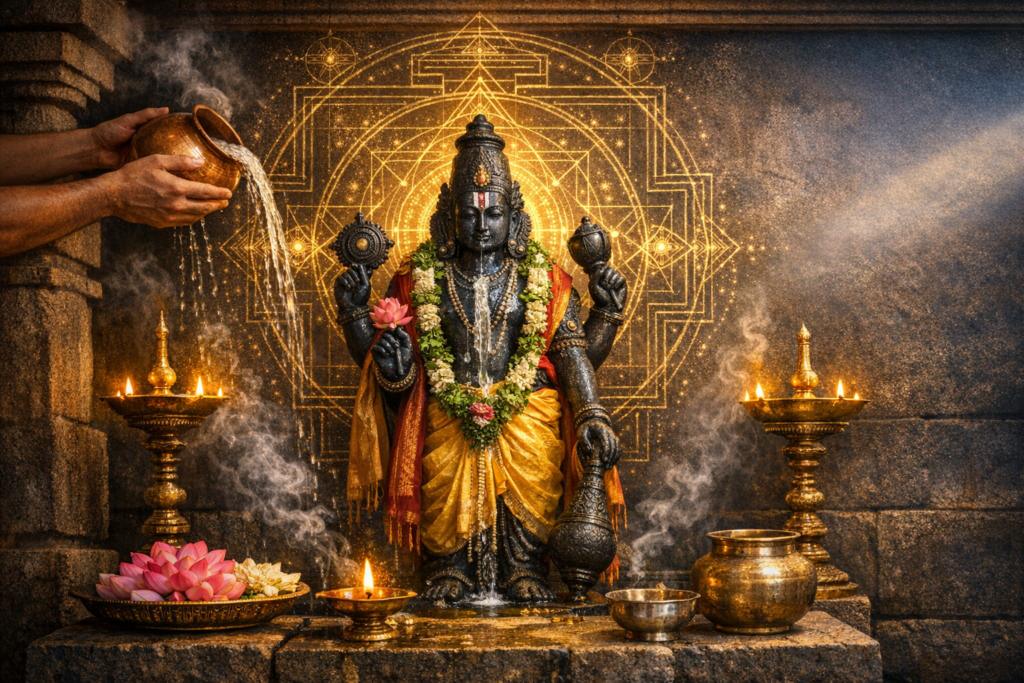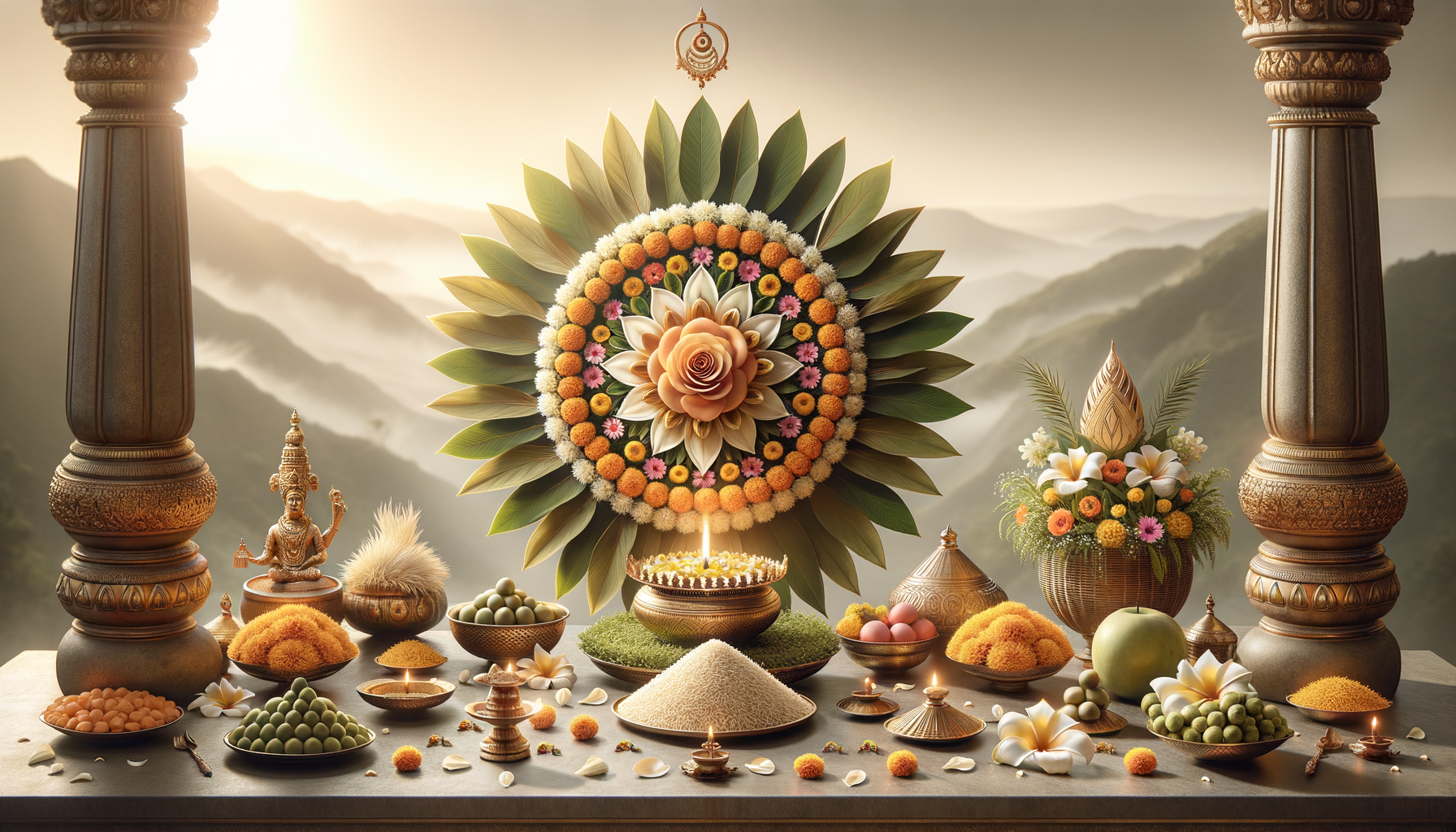
Pushpa Yagam, the vrashika (annual) flower offering at the Sri Venkateshwara Temple in Tirumala, is observed during Kartika masam as a solemn and aesthetically profound ritual. In 2025, Pushpa Yagam is scheduled for October 30, drawing devotees to witness Lord Balaji adorned and worshipped with a vast array of fragrant blossoms.
This annual observance emphasizes gratitude and renewal in the temple’s ritual calendar. Rooted in agamic and temple traditions, Pushpa Yagam symbolizes purity, abundance, and the harmonious relationship between devotion and nature. The ritual is also understood as an act of collective reverence, where beauty and fragrance become instruments of worship.
A defining feature of the ceremony is the use of flowers sourced from Srivari udyanavanam, the carefully tended flower gardens of TTD (Tirumala Tirupati Devasthanams). The emphasis on temple-grown blooms highlights sustainable sacred procurement and the continuity of heritage horticulture in service of ritual purity.
As part of the observance, Ankurarpanam—literally the auspicious sowing of seeds—is conducted as a preparatory rite. Traditionally performed prior to major yajnas and temple rituals, Ankurarpanam sanctifies intention, invokes auspiciousness, and frames the main ceremony within the rhythms of fertility and renewal that are central to Kartika masam.
During Pushpa Yagam, archakas recite Vaidika mantras while the deity is worshipped with layers of blossoms in a sequence of offerings that blend precision and devotion. Many devotees describe the experience as deeply memorable—the temple atmosphere becomes suffused with color and fragrance, and the shared act of darshan fosters a palpable sense of community and inner quietude.
The symbolism of floral worship resonates across dharmic traditions. While the ritual form here is distinctly Vaishnava and temple-centered, the offering of flowers as an expression of reverence is a familiar motif in Hindu, Buddhist, Jain, and Sikh practices, underscoring a shared civilizational ethos of honoring the divine through purity, beauty, and non-violence.
Visitors planning to attend on October 30, 2025, may wish to follow TTD advisories for crowd management and darshan arrangements, as detailed schedules are typically released closer to the date. Simple considerations—arriving early, observing temple guidelines, and practicing eco-awareness—help preserve the sanctity and sustainability of this important celebration.
By uniting devotion with nature’s abundance, Pushpa Yagam offers an academically significant and experientially rich lens into South Indian temple culture, where ritual continuity, community participation, and aesthetic refinement converge in worship of Lord Balaji.
Inspired by this post on Hindu Pad.