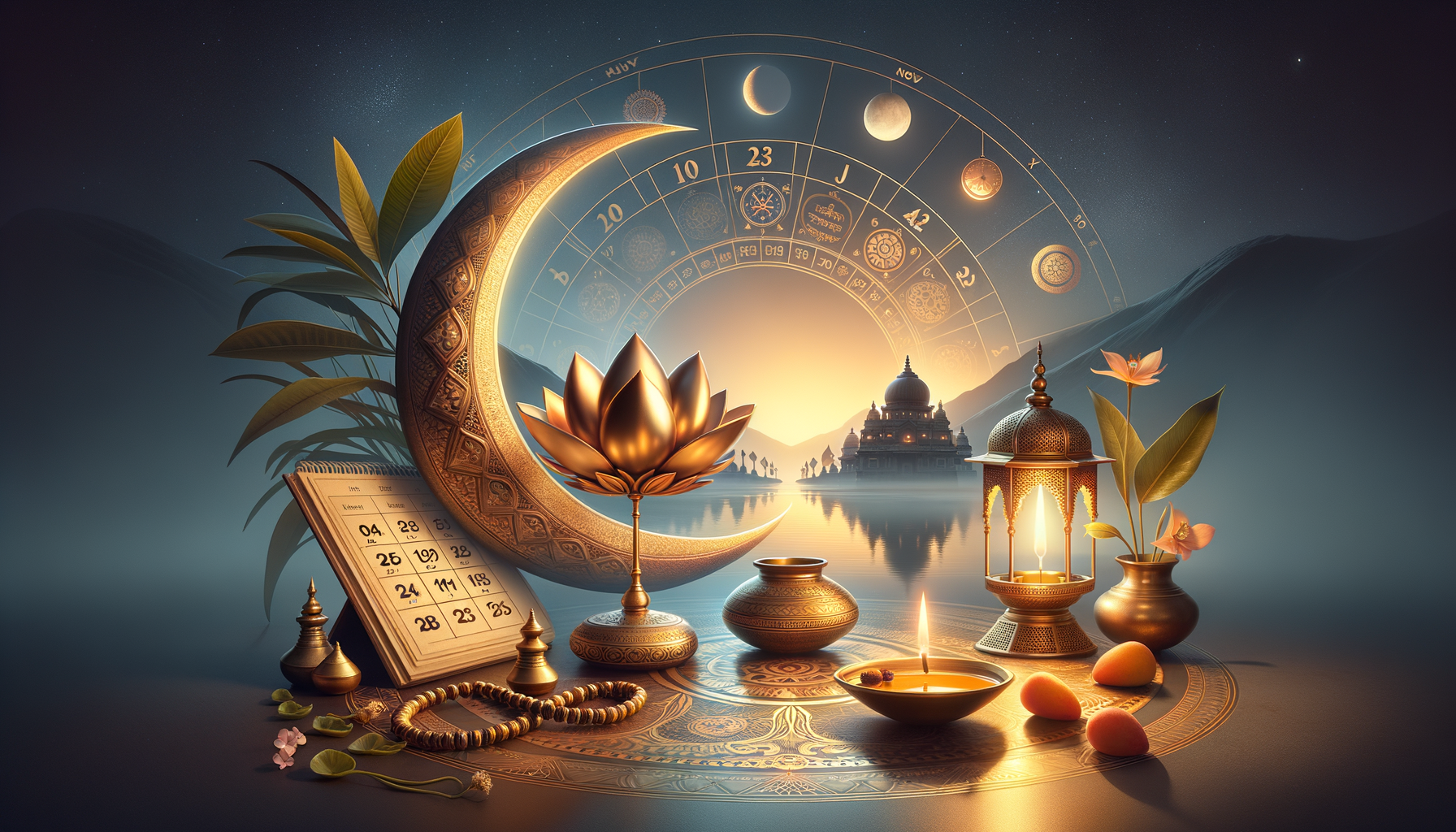
On Tuesday, November 11, 2025, the Panchang notes a transition of tithi within the Krishna Paksha, the waning phase of the Moon in the Hindu calendar observed across most regions.
It is Krishna Paksha Sashti until 6:21 AM (local time) on November 11, 2025. Immediately thereafter, the day proceeds as Krishna Paksha Saptami, the seventh lunar day of the dark fortnight, as attested in standard regional Panchang computations.
Krishna Paksha typically invites reflective practices and inward discipline. Many households align daily routines, vrat, japa, and quiet study of scriptures with this calm cadence of the waning Moon, recognizing Saptami as a measured passage toward the month’s spiritual culmination. This careful orientation supports dharmic living and the Hindu way of life through mindful scheduling of puja and saṃskāras.
For complete Panchang planning, Nakshatra, Rashi (Moon sign), and Shubh Muhurat are location-specific and vary by latitude, longitude, and local sunrise. Consequently, regional almanacs or reliable Panchang applications should be consulted for precise auspicious windows, especially for Sankalpa, daan, or temple visits. This approach maintains accuracy while honoring diverse calendrical customs across Bharat and the diaspora.
Shared lunar observances across dharmic traditionsHinduism, Buddhism, Jainism, and Sikhismunderscore a common rhythm of timekeeping and contemplation during this period often associated with Karthika/Kartika. Such convergence nurtures unity in spiritual diversity, encouraging mutual respect and a harmonious cultural ethos.
Practically, the early-morning shift from Krishna Paksha Sashti to Saptami at 6:21 AM may guide how families sequence prayers, meditation, or charitable acts. Many practitioners find that acknowledging this subtle transition enhances intention, bringing a serene focus to everyday responsibilities while aligning actions with the day’s tithi.
In summary, November 11, 2025 marks the conclusion of Krishna Paksha Sashti at 6:21 AM, followed by Krishna Paksha Saptami for the remainder of the day in most regions. Integrating this tithi awareness with locally verified Nakshatra, Rashi, and Shubh Muhurat supports informed devotional planning and a balanced, dharmic lifestyle.
Inspired by this post on Hindu Blog.