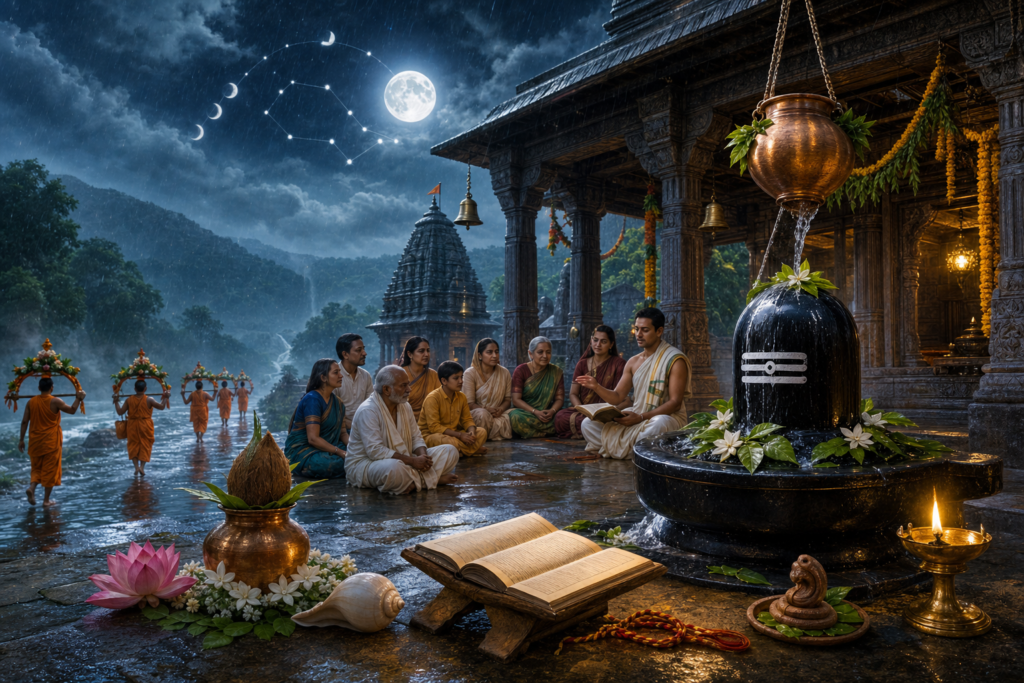
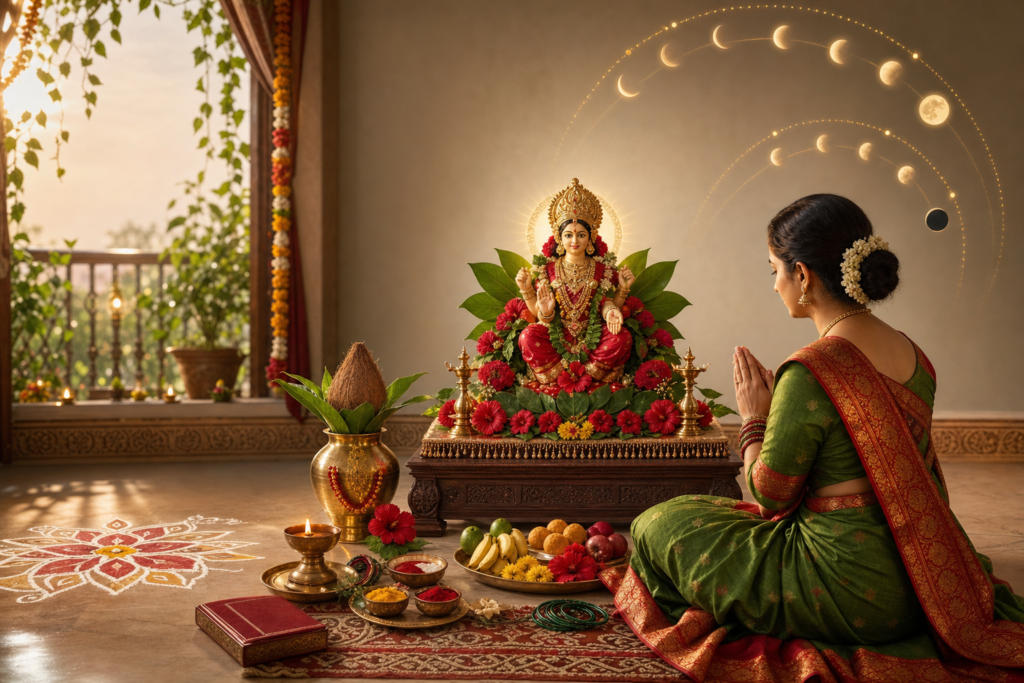
Masi Magam 2026 at the Chakrapani Temple in Kumbakonam will be observed on 2 March 2026, drawing pilgrims to the historic temple-town on the banks of the Kaveri for a day of ritual immersion, Vedic chant, and communal worship. Anchored in the Tamil month of Masi (February–March), this annual observance is revered for its promise of spiritual renewal, protective grace, and the collective affirmation of dharmic values.
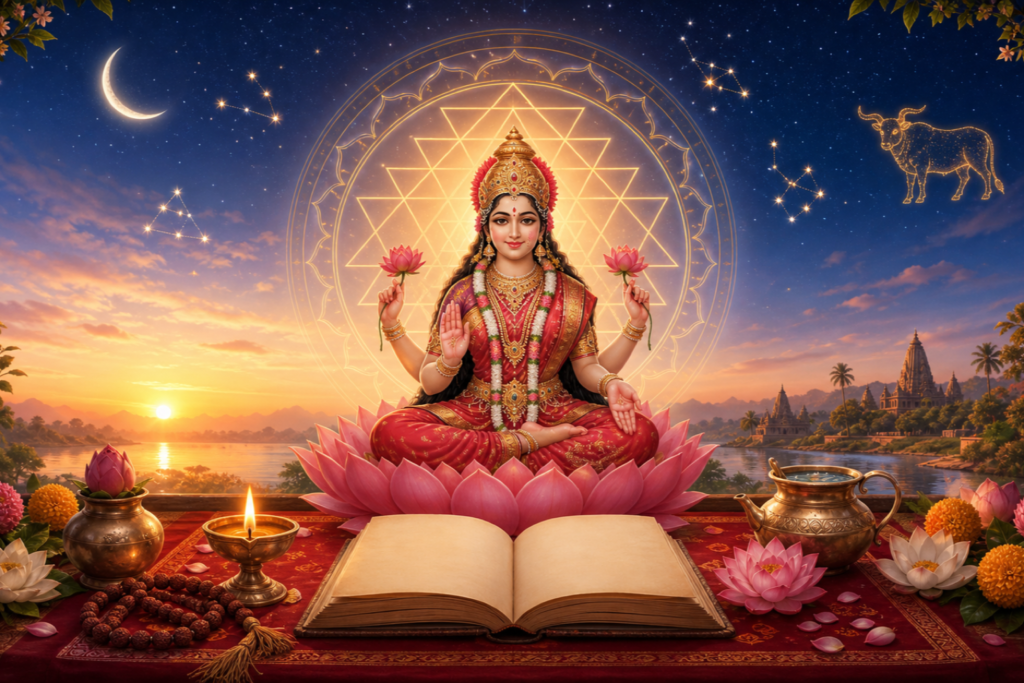
In the Tamil calendar, Masi Magam occurs when the full Moon (Purnima) coincides with Magha Nakshatra. Magha, associated with the Pitrs (ancestral lineages), lends the day a distinctive sanctity: ablutions, offerings, and charity are believed to purify inherited patterns, strengthen familial bonds, and harmonize the individual with cosmic order. The alignment varies by location and almanac tradition, but in Kumbakonam in 2026, it falls on 2 March.
Chakrapani Temple, a landmark of Kumbakonam’s sacred geography, is a Vaishnava shrine where Vishnu is worshipped in the distinctive form of Chakrapanian embodiment of the Sudarshana Chakra (the divine discus). The temple’s presence within the tapestry of Kumbakonam’s tanks and processional routes makes it central to Masi Magam processions and theerthavari, the ceremonial immersion of the utsava-murti (festival icon) in consecrated waters.
Temple lore in Kumbakonam interweaves with broader cosmological narratives of pralaya (dissolution), the preservation of creation’s seeds in a kumbha (pot), and the reconstitution of order through divine intervention. In this sphere of meanings, the Sudarshana Chakra symbolizes discernment, protection, and the restoration of dharmaqualities ritually invoked during Masi Magam as devotees seek spiritual clarity and collective wellbeing.
The festival’s core rite is the theerthavari: the utsava-murti of Chakrapani is taken in a dignified procession to a temple tankoften among Kumbakonam’s historic tanks that have served as ritual water-bodies for centurieswhere archakas perform mantra-guided ablutions. The rite is framed by Vedic recitation, nagaswaram, and percussion, creating a soundscape that is at once scholarly and deeply emotive.
For 2026, the festival date at Kumbakonam’s Chakrapani Temple is 2 March. Panchanga authorities identify Masi Magam when Purnima coincides with the Moon’s transit through Magha (0°–13°20′ Simha/Leo). Given local astronomical thresholds and temple customs, devotees typically consult the temple noticeboard or priests for exact theerthavari timing on the day.
A typical Masi Magam flow at Chakrapani Temple includes pre-dawn opening and recitation, abhishekam of the main deity and associated icons, ornate alankaram, and a forenoon or midday theerthavari (depending on muhurta) followed by deepa-aradhana in the evening. While the sequence is traditional, the precise schedule is announced locally to align with the Magha-Purnima window.
Abhishekam during Masi Magam tends to be elaborate and pedagogically rich: panchamrita (a blend of milk, curd, ghee, honey, and sugar), sacred water, and occasionally herbal infusions are offered in a graded sequence while mantras such as Purusha Sukta and Vishnu Sahasranama are intoned. In many Vaishnava traditions, Sudarshana Homa is performed during the Masi period to invoke protection, clarity, and communal welfare.
During theerthavari, the utsava-murti is carried with precision by trained bearers, accompanied by Vedic scholars, temple functionaries, and volunteer corps. Devotees witness the consecrated immersion and often undertake personal sankalpas (vows), offering flowers, lamps, and charitable donations to social and temple causesacts believed to magnify the merit (punya) associated with Magha’s ancestral resonance.
Magha Nakshatra’s association with the Pitrs gives Masi Magam a distinctive ethical character: food offering (anna-dana), service (seva), and remembrance rites for forebears are emphasized. Many households choose this day to feed guests, support community kitchens, or sponsor temple services, aligning ritual practice with social responsibility.
Chakrapani’s iconography offers a didactic frame for the festival. The Sudarshana Chakra signifies the discriminating insight that cuts through confusion, safeguarding the community and upholding rta (cosmic order). In practice, devotees interpret this as a call to inner clarity, ethical steadiness, and solidarityvirtues celebrated across the dharmic family of Hinduism, Buddhism, Jainism, and Sikhism.
While Masi Magam is observed annually, Kumbakonam is also famed for the once-in-12-years Maha Maham at the Mahamaham Tank, when an extraordinary confluence of temples, processions, and ritual bathing takes place. In non-Maha Maham years, including 2026, Masi Magam retains its classical formfocused, community-oriented, and anchored in theerthavari and Vedic recitation.
Architecturally, Chakrapani Temple embodies the South Indian Dravidian idiom: a soaring gopuram, pillared mandapas, and sculptural panels that transmit theology through art. The temple’s spatial design accommodates processions and music, allowing the sacred sound of nagaswaram and tavil to guide devotees along circumambulatory paths during festival hours.
For many families, Masi Magam in Kumbakonam functions as an annual homecoming. Elders recount the hush at sunrise as conches sound, the visual density of alankaram glinting in lamp-light, and the surge of collective chant as the utsava-murti reaches the water’s edge. Such sensory memory deepens continuity across generations and fosters a living pedagogy of dharma.
Practical planning for 2 March 2026 is essential. Kumbakonam is served by Kumbakonam Railway Station (KMU) with links to Chennai and Tiruchirappalli, and by road via TNSTC and private services. The nearest major airport is Tiruchirappalli International Airport (TRZ), approximately 90–100 km away, with Chennai International Airport (MAA) as a secondary option. Early accommodation booking is advisable during festival weeks.
Given increased footfall, devotees should anticipate traffic diversions around core temple streets and major tanks. Wearing modest, comfortable attire, carrying water, and following volunteer guidance improve both safety and darshan quality. Medical and help desks are typically set up near processional routes in larger festival deployments.
Sustainable pilgrimage practices enhance the sanctity of Masi Magam. Avoiding single-use plastics, using refillable bottles, choosing prasadam mindfully, and respecting tank precincts help preserve Kumbakonam’s fragile ritual-water networks. Volunteer-led clean-up drives often accompany large gatherings, expressing the dharmic principle of stewardship.
Temple etiquette remains foundational: observe queue systems, maintain silence within sanctum precincts, and refrain from flash photography or videography where prohibited. Offering flowers and coconuts at designated counters, rather than near steps or waterways, supports safety and ritual integrity.
Accessibility considerations are increasingly recognized. Early-morning darshan often presents shorter queues, and some temples provide dedicated lanes for elders and persons with disabilities, as announced locally. Comfortable, non-slip footwear for outer areas (to be left at designated racks) is recommended.
Masi Magam also offers a learning arc for children and students: the astronomical basis (Purnima with Magha), the ritual grammar of abhishekam and alankaram, and the social ethics of dana and seva can be observed in situ. Families often plan a half-day around the main rites, with time for quiet reflection after theerthavari.
From a theological perspective, the day’s core promise is twofold: purification and protection. The immersion of the utsava-murti symbolizes a collective resetrenewing personal vows while inviting Sudarshana’s safeguarding grace over households and communities. In the town renowned for ritual waters, this symbolism acquires a distinctive resonance.
In recent years, festival committees and temple trusts have emphasized inclusive participation and inter-community cooperation. The shared reverence for sacred waters and service is recognizable across Hindu, Buddhist, Jain, and Sikh traditions, underscoring the subcontinental ethic of unity in spiritual diversity that Kumbakonam’s festivals so vividly display.
Key takeaways for 2026 are clear: 2 March is the Masi Magam date at Kumbakonam’s Chakrapani Temple; theerthavari is the focal rite; Vedic chanting, abhishekam, and deepa-aradhana integrate temple theology with community life; and thoughtful planningethical, logistical, and environmentalallows devotees to experience the day’s grace fully and responsibly.
As dusk gathers and lamps are lifted before Chakrapani, the day’s cadence resolves into quiet gratitude. The festival’s learningclarity, restraint, service, and remembrancetravels home with devotees, shaping daily practice long after the conches fall silent.
Inspired by this post on Hindu Blog.