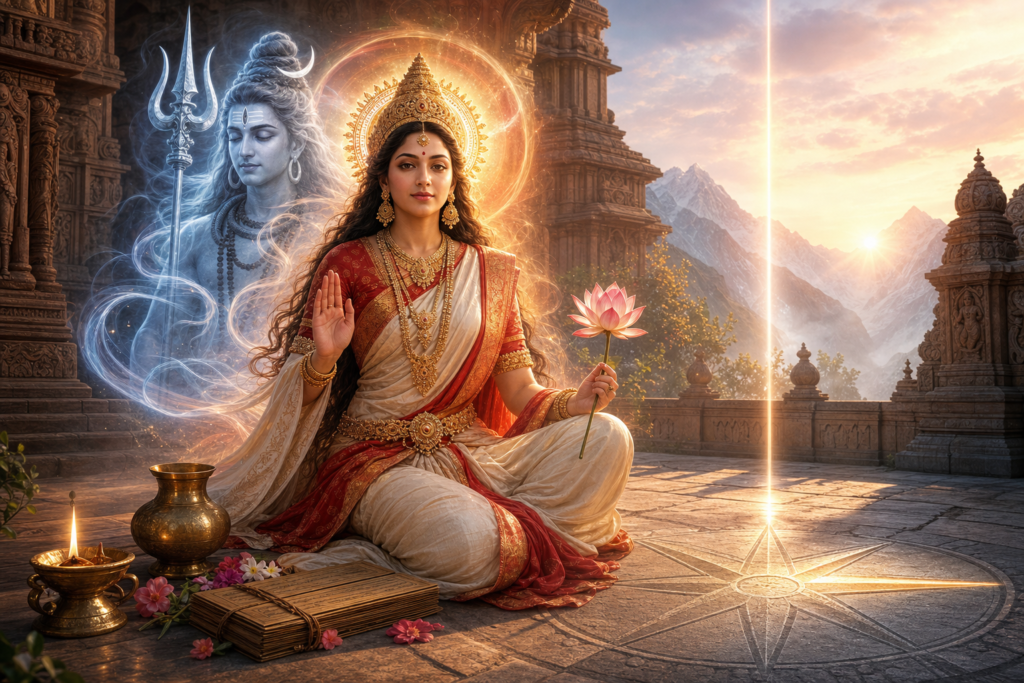
Margashirsha month (also known as Margasheersh, Margashira, or Margasira masam) is the ninth month in the traditional North Indian Hindi Hindu calendar. In 2025, the Margashirsha month begins on November 6 and concludes on December 4 as per the Purnimanta system followed widely across Uttar Pradesh, Madhya Pradesh, Bihar, Jharkhand, Chhattisgarh, and Himachal Pradesh. This span is used for planning vratas, pujas, and community observances in the North Indian calendar framework.
North Indian calendars typically follow the Purnimanta reckoning, wherein a month begins after the full moon (Purnima) and ends on the following Purnima. In this tradition, Margashirsha follows Kartik and precedes Pausha. The month is also known as Agrahayana or Aghan in various regional usages, while the term Margashira masam remains familiar to many due to cross-regional references. Readers should note that date ranges can vary if one uses an Amanta calendar (more common in parts of South India), even when month names overlap in colloquial usage.
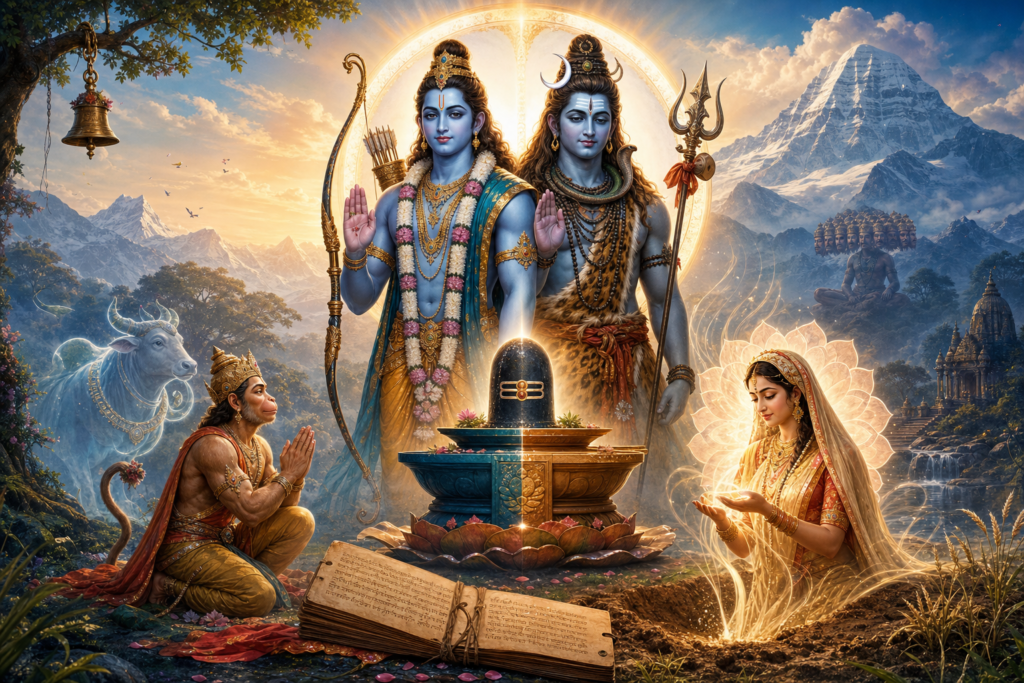
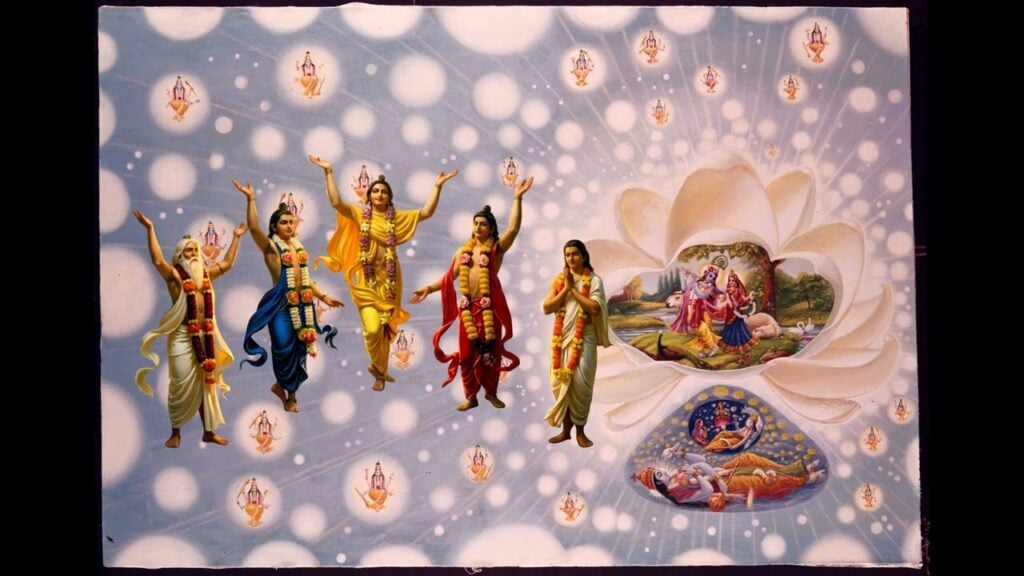
In classical texts, Margashirsha holds distinguished spiritual prominence. The Bhagavad Gita (10.35) notes “māsānām mārgaśīrṣo ‘ham,” underscoring the month’s auspicious character for disciplined practice, charity, and study. Across households, this period often inspires a steady cadence of morning prayers, satvik food practices, and community kirtans, reflecting a lived rhythm that unites devotion with daily life.
Within this month, practitioners commonly observe key tithis and vratas such as Ekadashi. Notably, Mokshada Ekadashi and Gita Jayanti typically fall in Margashirsha, inviting reflection on dharma, ethical action, and inner clarity. While individual festival dates should be confirmed through a local Panchang for one’s location, the November 6 to December 4 window in 2025 provides a reliable framework for planning spiritual routines and community gatherings.
Margashirsha’s practices also nurture a shared civilizational ethos across dharmic traditions. While the ritual calendars of Hinduism, Buddhism, Jainism, and Sikhism are distinct, communities often converge around the values of seva, meditation, ethical living, and remembrance of wisdom texts during this season. The month thus serves as a gentle reminder of unity in diversityhonoring multiple paths while strengthening social harmony.
For those organizing vratas, pujas, satsangs, or study circles in 2025, aligning with the November 6 to December 4 timeline will support accurate observance in the North Indian Purnimanta system. Regional customs may add Thursday (Guruvar) prayers, satsang readings, or household Lakshmi upasana in certain areas, each reinforcing the month’s auspicious energy. As always, consultation of a reliable village, city, or temple Panchang ensures precision for local sunrise, moonrise, and tithi timings.
In summary, Margashirsha Month 2025 (Margasheersh Mahina) runs from November 6 to December 4 in the North Indian Hindi Hindu calendar, guiding devotees through a serene arc of devotion, study, and service. The month’s significance, grounded in scriptural reverence and lived tradition, fosters collective well-being and underscores the shared cultural heritage that sustains dharmic unity.
Inspired by this post on Hindu Pad.